
5-Aminolevulinic Acid (5-ALA) Random Urine Test
Short Name: 5-ALA Random Urine Test
Also known as: 5-ALA Urine Test, Delta-Aminolevulinic Acid Urine Test, Urine 5-Aminolevulinic Acid, 5-ALA Random Urine Assay
5-Aminolevulinic Acid (5-ALA) Random Urine Test test available at DNA Labs India for ₹5,200. Uses Column Chromatography on Random Urine samples. Results in Results are typically available within 1 week of sample receipt at the laboratory. Reports are delivered via the DNA Labs India online portal, email, and WhatsApp for your convenience.. Free home collection in 300+ cities across India.

🩺 Medically Reviewed By
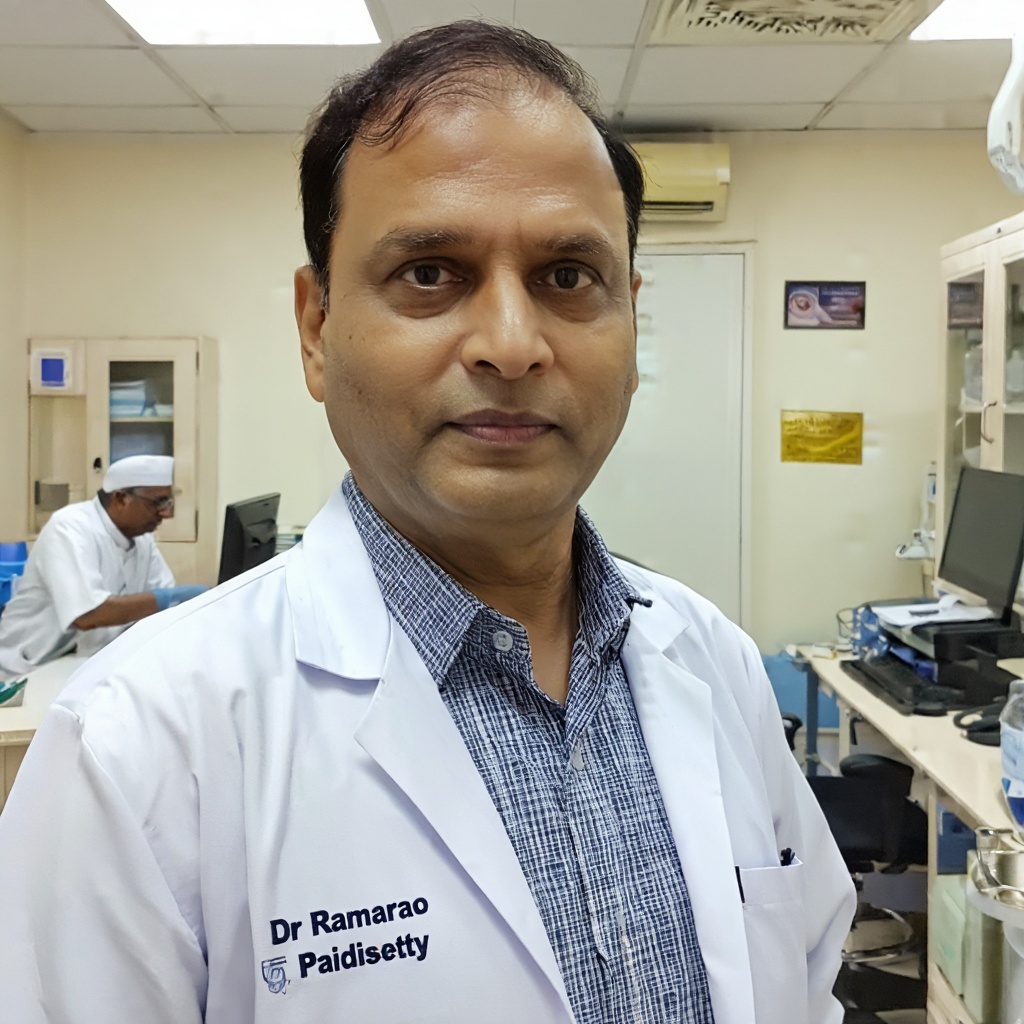
Dr Ramarao Paidisetty
Consultant Biochemist · Reg: 21504
Last reviewed: September 7, 2026
Overview
The primary purpose of the 5-ALA Random Urine Test is to detect and quantify the level of 5-aminolevulinic acid in urine as an aid in the diagnosis of acute porphyrias, particularly Acute Intermittent Porphyria (AIP). The test is also used to evaluate suspected lead poisoning, as lead inhibits the enzyme ALA dehydratase, causing accumulation of 5-ALA. This test serves as a screening and monitoring tool when patients present with unexplained abdominal pain, neuropsychiatric symptoms, or skin manifestations consistent with porphyria.
- Test Code
- 53
- CPT Code
- 82135
- ICD Code
- E80.2
- Price
- ₹5,200
- Sample Type
- Random Urine
- Result Time
- Results are typically available within 1 week of sample receipt at the laboratory. Reports are delivered via the DNA Labs India online portal, email, and WhatsApp for your convenience.
- Fasting Required
- No
- Method
- Column Chromatography
Sample Collection
No fasting is required. Use a dark-coloured urine container or wrap a standard container completely with black paper or aluminium foil to protect the sample from light. Inform your physician about any medications you are currently taking, as certain drugs may interfere with results.
Method: Clean-catch midstream urine collection
Laboratory Analysis
Collect a clean-catch midstream urine sample. Ensure a minimum volume of 5 mL (10 mL preferred) is obtained. Avoid exposing the sample to direct sunlight or bright artificial light at any stage.
Report Delivery
Seal the container securely and refrigerate immediately (2–8°C) if not being transported right away. Ship the sample refrigerated or frozen to the laboratory. Contact DNA Labs India for home collection if needed.
Timeline: Results are typically available within 1 week of sample receipt at the laboratory. Reports are delivered via the DNA Labs India online portal, email, and WhatsApp for your convenience.
Patient Instructions
About This Test
Who Should Get This Test
The primary purpose of the 5-ALA Random Urine Test is to detect and quantify the level of 5-aminolevulinic acid in urine as an aid in the diagnosis of acute porphyrias, particularly Acute Intermittent Porphyria (AIP). The test is also used to evaluate suspected lead poisoning, as lead inhibits the enzyme ALA dehydratase, causing accumulation of 5-ALA. This test serves as a screening and monitoring tool when patients present with unexplained abdominal pain, neuropsychiatric symptoms, or skin manifestations consistent with porphyria.
How to Prepare
- Use a dark-coloured container or wrap the container completely with black paper or aluminium foil.
- Collect at least 5 mL (10 mL preferred) of random urine using the clean-catch midstream technique.
- Do not expose the sample to direct sunlight or strong artificial light.
- Refrigerate the sample at 2–8°C immediately after collection.
- Ship the sample refrigerated or frozen to the laboratory.
- Avoid alcohol consumption for at least 24 hours before sample collection.
- Inform your physician about all current medications prior to the test.
Doctor's Notes
Reviewed by Dr Ramarao Paidisetty — MBBS, MD (Biochemistry) · Reg. No. 21504
"The 5-ALA Random Urine Test is a critical first-line investigation when porphyria is clinically suspected. Elevated urinary 5-ALA levels, particularly in the setting of recurrent abdominal pain, neuropsychiatric symptoms, or skin photosensitivity, should prompt confirmatory testing including porphobilinogen (PBG) quantification and subtype-specific assays. Early diagnosis prevents life-threatening acute attacks and guides appropriate management."
Last medically reviewed: September 7, 2026
Test Parameters & Specifications
Sample Stability
- Sample not collected in a light-protected container
- Sample volume less than 5 mL
- Sample received at room temperature after prolonged transit
- Sample contaminated with faecal matter or other substances
- Labelled container without proper patient identification
Understanding Your Results
Urinary 5-ALA levels are within the expected reference interval. This makes acute porphyria less likely, although it does not completely exclude the diagnosis if clinical suspicion remains high. Repeat testing during an acute episode may be warranted.
Action: Discuss results with your physician. Further investigation may be considered if symptoms persist.
Mildly elevated levels may be seen in heterozygous carriers of ALA dehydratase deficiency, early or subclinical porphyria, lead exposure, or hereditary tyrosinemia. Medications and physiological factors should be excluded before attributing the elevation to a pathological cause.
Action: Confirmatory testing including urinary PBG, blood lead levels, and repeat 5-ALA testing is recommended. Consult a gastroenterologist or metabolic disease specialist.
Markedly elevated urinary 5-ALA is strongly suggestive of an acute hepatic porphyria, most commonly Acute Intermittent Porphyria (AIP). It may also be seen in lead poisoning, ALA dehydratase deficiency porphyria, or hereditary tyrosinemia type I. Clinical correlation and urgent further testing are essential.
Action: Seek immediate medical consultation. Confirmatory tests should include urinary PBG, plasma and urine porphyrin profiles, erythrocyte enzyme assays, and genetic testing. Avoid known precipitating drugs pending diagnosis.
Consult a healthcare professional if you experience recurrent unexplained abdominal pain, skin blistering or photosensitivity, dark or reddish urine, episodes of confusion or hallucinations, muscle weakness, or if you have a family history of porphyria. If your 5-ALA levels are elevated, prompt follow-up with a gastroenterologist or physician experienced in metabolic disorders is strongly recommended.
Limitations
- ⚠The 5-ALA Random Urine Test is a screening test; elevated results do not confirm a specific porphyria subtype and require further testing.
- ⚠Random urine values may vary based on hydration status and time of collection. A 24-hour urine collection may be recommended for definitive quantification.
- ⚠Results may be normal during asymptomatic periods in some porphyrias; a negative result does not completely exclude porphyria.
- ⚠This test does not differentiate between porphyria subtypes. Additional tests such as PBG, urine porphyrin profile, and genetic testing are necessary for subtype classification.
Risks & Considerations
- ●The 5-ALA Random Urine Test is a non-invasive urine collection procedure with no direct medical risks.
- ●In rare cases, a venipuncture may be performed for a paired blood sample, which carries minimal risks such as slight bruising, discomfort, or very rarely, infection at the puncture site.
- ●Misinterpretation of results without physician guidance may lead to unnecessary anxiety or delayed diagnosis. Always discuss results with a qualified healthcare professional.
Interfering Factors
- ●Exposure of the urine sample to light can degrade 5-ALA, leading to falsely low results. Use a light-protected (dark) container.
- ●Certain medications including barbiturates, anticonvulsants, sulfonamides, and hormonal contraceptives can precipitate porphyria attacks and alter levels.
- ●Alcohol consumption and hormonal changes (menstruation, pregnancy) may influence porphyrin metabolism.
- ●Sample contamination or improper storage (failure to refrigerate) may affect accuracy.
Compare With Similar Tests
| Test | 5-Aminolevulinic Acid (5-ALA) Random Urine Test | Porphobilinogen (PBG) Random Urine Test | Urine Porphyrin Profile | Blood Lead Level Test | Erythrocyte Porphobilinogen Deaminase (PBGD) Assay | Plasma Porphyrins / Fluorescence Emission Spectroscopy |
|---|---|---|---|---|---|---|
| Comparison | 5-Aminolevulinic Acid (5-ALA) Random Urine Test | PBG is measured alongside 5-ALA and is the most specific screening test for acute porphyria attacks. Both 5-ALA and PBG are typically elevated in AIP. PBG is considered the first-line screening test for acute porphyrias, while 5-ALA provides additional supportive evidence. | A porphyrin profile identifies the specific types and proportions of porphyrins in urine. While the 5-ALA test measures a precursor, the porphyrin profile measures downstream metabolites. This test is essential for differentiating between porphyria subtypes. | Elevated blood lead can cause raised urinary 5-ALA due to inhibition of ALA dehydratase enzyme. A blood lead level test helps distinguish lead poisoning from primary porphyria when 5-ALA is elevated. | This enzyme assay measures PBGD activity in red blood cells and is used to confirm a diagnosis of AIP. Unlike the 5-ALA urine test which is a screening tool, this assay provides definitive enzymatic confirmation. | Plasma porphyrin measurement with fluorescence emission spectroscopy is the primary screening test for cutaneous porphyrias. While 5-ALA is most relevant for acute hepatic porphyrias, plasma porphyrins help diagnose porphyrias presenting with skin symptoms. |
Frequently Asked Questions
What is the 5-Aminolevulinic Acid (5-ALA) Random Urine Test?
Why has my doctor ordered this test?
What is the cost of the 5-ALA Random Urine Test at DNA Labs India?
How do I prepare for the 5-ALA Random Urine Test?
What is the normal reference range for 5-ALA in urine?
What does an elevated 5-ALA level in urine mean?
Is fasting required for the 5-ALA Random Urine Test?
How is the urine sample collected for this test?
How long does it take to get the results?
Can the 5-ALA Random Urine Test be done at home?
Is the 5-ALA test the same as the Porphobilinogen (PBG) test?
What additional tests might be needed if my 5-ALA levels are elevated?
Reference Laboratory Services
We serve as a reference laboratory for hospitals and clinics across India. Send samples from your facility with same-day pickup, priority processing, and results delivered through our online portal. Competitive institutional pricing available.
Your Data Privacy
Your medical data is protected under Indian law.
✓ Stored in India: All patient records are stored on servers located in India. No data is transferred outside the country.
✓ DPDP Act Compliant: Under the Digital Personal Data Protection Act 2023, you can request deletion of your records at any time by contacting support.
Book Your Test
Enter your details and we'll connect you within 15 minutes.