
CACNA1D Gene Sinoatrial node dysfunction and deafness NGS Genetic Test
Short Name: CACNA1D Gene Test
Also known as: CACNA1D Mutation Analysis, Sinoatrial Node Dysfunction Genetic Test, CACNA1D Gene Sequencing
CACNA1D Gene Sinoatrial node dysfunction and deafness NGS Genetic Test test available at DNA Labs India for ₹20,000. Uses NGS Technology on Blood or Extracted DNA or One drop Blood on FTA Card samples. Results in 3 to 4 Weeks. Free home collection in 300+ cities across India.

🩺 Medically Reviewed By
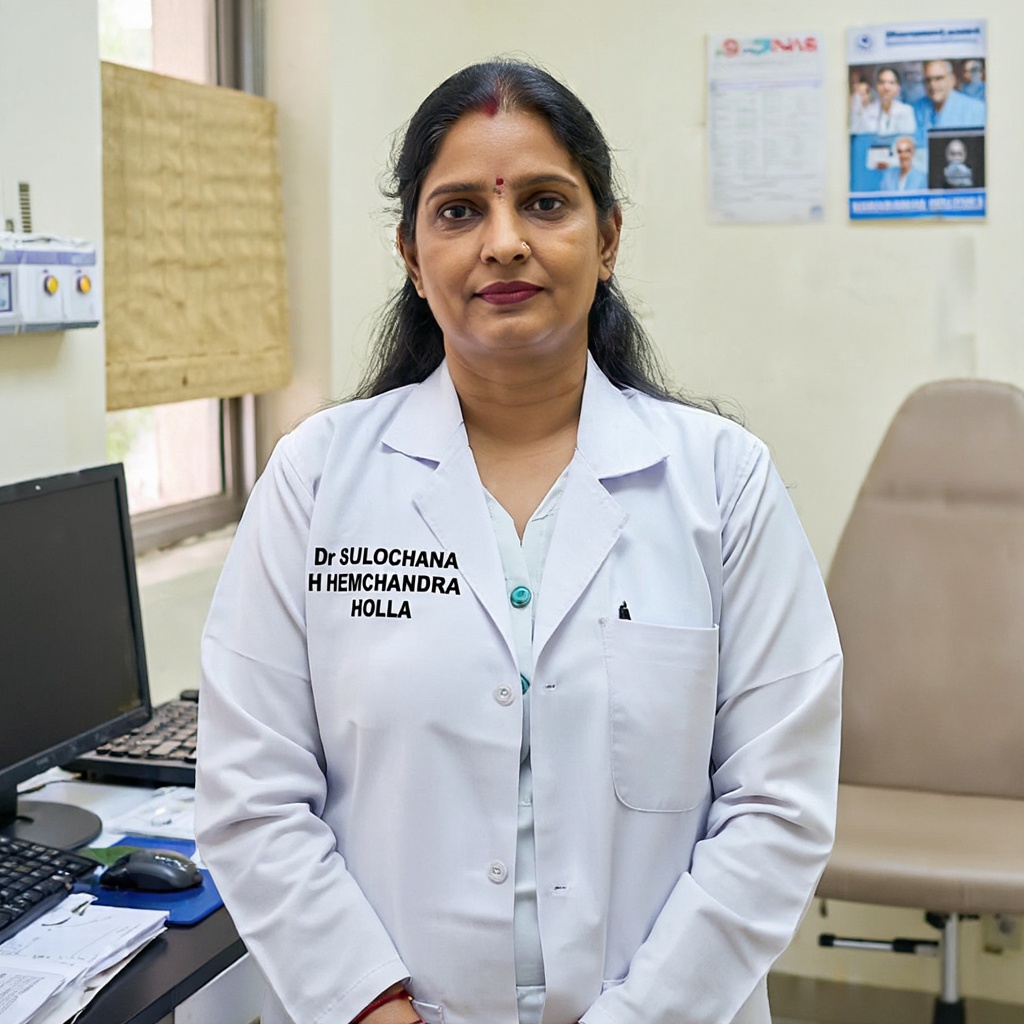
Dr SULOCHANA HEMCHANDRA HOLLA
Consultant Medical Geneticist · Reg: 8532
Last updated: September 2, 2026
Overview
The purpose of the CACNA1D Gene Test is to identify genetic mutations or variants in the CACNA1D gene that are associated with sinoatrial node dysfunction and deafness. This helps in confirming a genetic diagnosis, guiding treatment decisions such as medication or surgical interventions, informing prognosis, and facilitating genetic counseling for affected individuals and their families. NGS genetic DNA test detecets for variant and mutation detection in CACNA1D gene for Sinoatrial node dysfunction and deafness
- Test Code
- 5289
- Price
- ₹20,000
- Sample Type
- Blood or Extracted DNA or One drop Blood on FTA Card
- Result Time
- 3 to 4 Weeks
- Fasting Required
- No
- Method
- NGS Technology
DNA Labs India is proud to offer the CACNA1D gene test, which helps in identifying the cause of sinoatrial node dysfunction and deafness. This test is a non-invasive way to determine if there is a genetic cause for these conditions, which can help in the diagnosis and treatment of patients.
What is CACNA1D Gene?
CACNA1D is a gene that provides instructions for making a protein that forms channels in cell membranes. These channels allow charged particles, such as calcium ions, to enter cells and play a critical role in the normal function of many tissues and organs, including the heart and inner ear.
Changes in the CACNA1D gene can cause a variety of health problems, including sinoatrial node dysfunction and deafness.
Sinoatrial Node Dysfunction and Deafness
Sinoatrial node dysfunction is a condition that affects the heart's natural pacemaker, causing an irregular heartbeat. Symptoms can include fatigue, dizziness, and fainting. Deafness is a condition that affects the ability to hear, and can range from mild to severe.
NGS Genetic DNA Test for CACNA1D Gene
The NGS (Next-Generation Sequencing) genetic DNA test for the CACNA1D gene is a non-invasive way to determine if there is a genetic cause for sinoatrial node dysfunction and deafness. This test analyzes the DNA of the patient to identify any changes or mutations in the CACNA1D gene.
Cost of the Test
The cost of the CACNA1D gene test at DNA Labs India is INR 20,000.
Symptoms of Sinoatrial Node Dysfunction and Deafness
The symptoms of sinoatrial node dysfunction and deafness can vary, but some common signs include:
- Fatigue
- Dizziness
- Fainting
- Hearing loss
- Tinnitus (ringing in the ears)
- Difficulty understanding speech, especially in noisy environments
Diagnosis and Treatment
If you are experiencing any of the symptoms of sinoatrial node dysfunction or deafness, it is important to see a doctor for diagnosis and treatment. Your doctor may recommend a variety of tests, including the CACNA1D gene test, to determine the cause of your symptoms.
Treatment for sinoatrial node dysfunction and deafness will depend on the severity of your symptoms and the underlying cause. In some cases, medication or surgery may be necessary. In other cases, hearing aids or other assistive devices may be recommended.
Conclusion
The CACNA1D gene test offered by DNA Labs India is a valuable tool in the diagnosis and treatment of sinoatrial node dysfunction and deafness. This non-invasive test can help identify the genetic cause of these conditions and guide treatment decisions. If you are experiencing any of the symptoms of sinoatrial node dysfunction or deafness, it is important to see a doctor for diagnosis and treatment.
Sample Collection
No specific preparation is required. Ensure genetic counseling is scheduled prior to sample collection to discuss family history and test implications.
Method: Venipuncture or FTA card application
Laboratory Analysis
A blood sample will be drawn by a trained phlebotomist. For FTA card collection, a drop of blood is applied to the card. The process is quick and minimally invasive.
Report Delivery
Apply pressure to the puncture site to prevent bruising. Store the sample as instructed and await report delivery in 3-4 weeks.
Timeline: 3 to 4 Weeks
Patient Instructions
About This Test
Who Should Get This Test
The purpose of the CACNA1D Gene Test is to identify genetic mutations or variants in the CACNA1D gene that are associated with sinoatrial node dysfunction and deafness. This helps in confirming a genetic diagnosis, guiding treatment decisions such as medication or surgical interventions, informing prognosis, and facilitating genetic counseling for affected individuals and their families.
NGS genetic DNA test detecets for variant and mutation detection in CACNA1D gene for Sinoatrial node dysfunction and deafness
How to Prepare
- Use sterile equipment for blood draw
- Label samples correctly with patient details
- For FTA card, ensure blood is fully absorbed and dried
- Transport samples at room temperature unless specified
Doctor's Notes
Reviewed by Dr SULOCHANA HEMCHANDRA HOLLA — MBBS, MD (Medical Genetics) · Reg. No. 8532
"This test is crucial for diagnosing genetic causes of heart rhythm disorders and hearing loss, enabling targeted treatment and family counseling."
Last updated: September 2, 2026
Test Parameters & Specifications
Sample Stability
- Hemolyzed or clotted samples
- Insufficient sample volume
- Incorrect labeling or missing patient information
- Contaminated samples
Understanding Your Results
Consult a doctor if you experience symptoms like irregular heartbeat, hearing loss, or have a family history of these conditions. After receiving test results, seek genetic counseling for interpretation and management.
Limitations
- ⚠May not detect all genetic variants, including deep intronic mutations
- ⚠Results require interpretation by a genetic specialist
- ⚠Does not rule out other genetic or non-genetic causes
- ⚠Turnaround time of 3-4 weeks may delay diagnosis
Risks & Considerations
- ●Minimal risk from blood draw, such as slight pain or bruising
- ●No significant risks associated with the genetic test itself
Interfering Factors
- ●Sample contamination during collection or processing
- ●Degraded DNA due to improper storage
- ●Hemolyzed blood sample
- ●Recent blood transfusion may affect results
Compare With Similar Tests
| Test | CACNA1D Gene Sinoatrial node dysfunction and deafness NGS Genetic Test | SCN5A Gene Test | GJB2 Gene Test | Cardiac Panel Genetic Test |
|---|---|---|---|---|
| Comparison | CACNA1D Gene Sinoatrial node dysfunction and deafness NGS Genetic Test |
Frequently Asked Questions
What is the CACNA1D gene test?
Who should consider this test?
How is the test performed?
What is the cost of the test?
Is home sample collection available?
How long does it take to get results?
What do the results mean?
Is the test painful?
Can this test diagnose other conditions?
Is genetic counseling included?
What if a variant of uncertain significance is found?
How accurate is the test?
Related Tests
MMC (Maternal Myopathy with Cardiomyopathy) Mutation Detection Test
₹11,500LPA Gene Coronary artery disease, susceptibility to NGS Genetic Test
₹20,000ITIH4 Gene Hypercholesterolemia, susceptibility to NGS Genetic Test
₹20,000PPP1R17 Gene Hypercholesterolemia, susceptibility to NGS Genetic Test
₹20,000APOA1 Gene Hypoalphalipoproteinemia NGS Genetic Test
₹20,000GJC2 Gene Lymphedema, hereditary, type IC NGS Genetic Test
₹20,000Reference Laboratory Services
We serve as a reference laboratory for hospitals and clinics across India. Send samples from your facility with same-day pickup, priority processing, and results delivered through our online portal. Competitive institutional pricing available.
Your Data Privacy
Your medical data is protected under Indian law.
✓ Stored in India: All patient records are stored on servers located in India. No data is transferred outside the country.
✓ DPDP Act Compliant: Under the Digital Personal Data Protection Act 2023, you can request deletion of your records at any time by contacting support.
Book Your Test
Enter your details and we'll connect you within 15 minutes.