
DRD2 Gene Myoclonic dystonia, DRD2 related NGS Genetic Test
Short Name: DRD2 Gene Myoclonic Dystonia Test
Also known as: Myoclonus-dystonia syndrome, DRD2-related dystonia
DRD2 Gene Myoclonic dystonia, DRD2 related NGS Genetic Test test available at DNA Labs India for ₹20,000. Uses Next-Generation Sequencing (NGS) on Blood or Extracted DNA or One drop Blood on FTA Card samples. Results in 3 to 4 Weeks. Free home collection in 300+ cities across India.

🩺 Medically Reviewed By
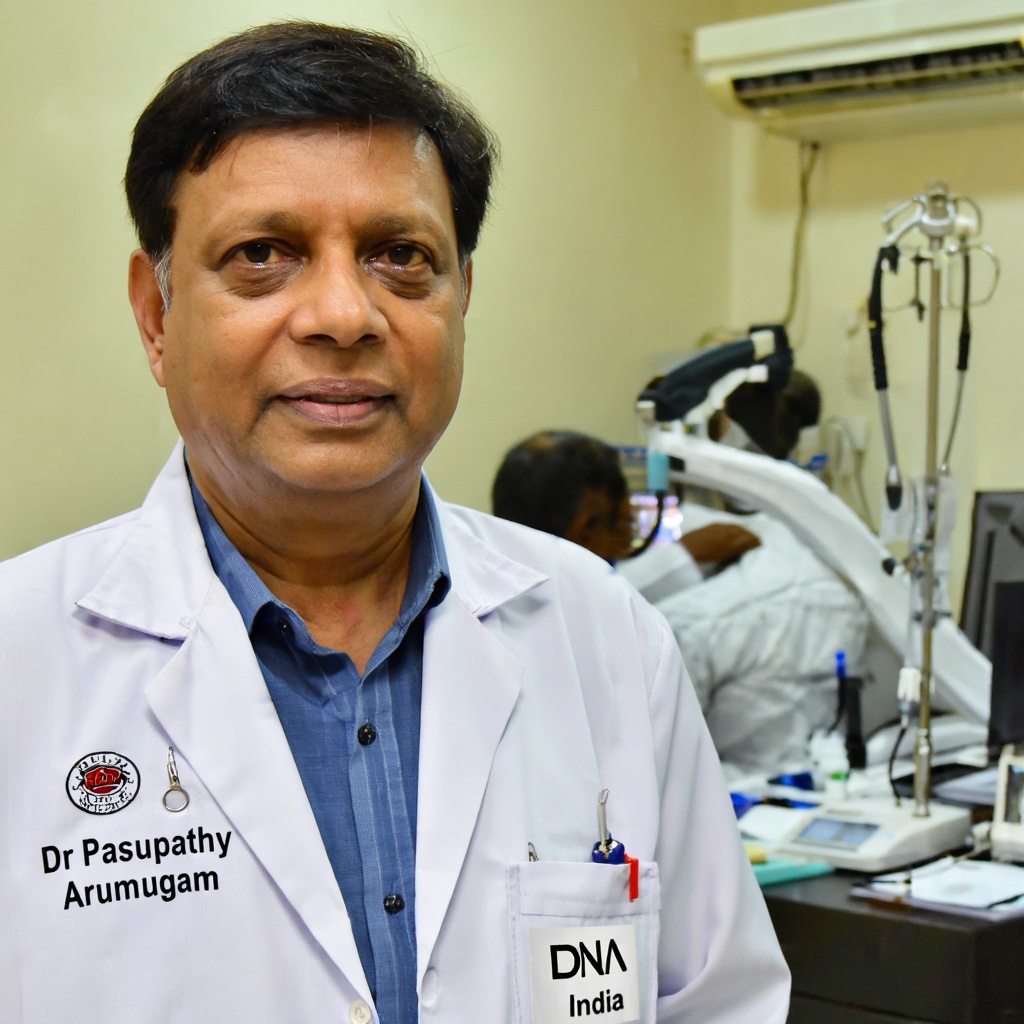
Dr Pasupathy Arumugam
Consultant Pathologist · Reg: 21521
Last updated: September 7, 2026
Overview
To confirm the presence of DRD2 gene mutations in individuals suspected of having myoclonic dystonia, enabling early diagnosis and appropriate treatment planning. NGS genetic DNA test detecets for variant and mutation detection in DRD2 gene for Myoclonic dystonia, DRD2 related
- Test Code
- 1741
- Price
- ₹20,000
- Sample Type
- Blood or Extracted DNA or One drop Blood on FTA Card
- Result Time
- 3 to 4 Weeks
- Fasting Required
- No
- Method
- Next-Generation Sequencing (NGS)
Myoclonic dystonia is a rare neurological disorder that affects a person's movement. It is caused by a mutation in the DRD2 gene. This gene provides instructions for making a protein called dopamine receptor D2. Dopamine is a neurotransmitter that is involved in controlling movement and emotion. When the DRD2 gene is mutated, it leads to a reduction in dopamine receptors in the brain, causing abnormal movements.
Symptoms of myoclonic dystonia include:
- Jerky movements of the arms, legs, or trunk
- Tremors or shaking
- Muscle stiffness or rigidity
- Uncontrollable spasms
- Difficulty walking or balancing
Diagnosis of myoclonic dystonia involves a combination of physical examination, medical history, and genetic testing. A neurologist will assess the patient's symptoms and perform a physical examination to rule out other conditions. Genetic testing is used to confirm the presence of a DRD2 gene mutation.
NGS genetic DNA testing is a highly accurate and efficient way to detect DRD2 gene mutations. Next-generation sequencing (NGS) technology allows for the analysis of multiple genes simultaneously, making it a cost-effective and time-efficient way to diagnose myoclonic dystonia. The cost of DRD2 related NGS genetic DNA testing in India is approximately INR 20,000.
Early diagnosis and treatment of myoclonic dystonia are crucial for managing symptoms and improving the patient's quality of life. Treatment options include medications that increase dopamine levels in the brain, physical therapy, and deep brain stimulation (DBS). DBS involves implanting a device in the brain that delivers electrical stimulation to the affected area, reducing symptoms.
In conclusion, myoclonic dystonia is a rare neurological disorder caused by a mutation in the DRD2 gene. Symptoms include jerky movements, tremors, and muscle stiffness. Diagnosis involves a combination of physical examination and genetic testing, with NGS genetic DNA testing being a cost-effective and time-efficient option. Early diagnosis and treatment are essential for managing symptoms and improving the patient's quality of life.
Sample Collection
Genetic counseling recommended to discuss implications and family history.
Method: Venipuncture
Laboratory Analysis
Blood sample collected via venipuncture.
Report Delivery
Sample processed for DNA extraction and NGS analysis.
Timeline: 3 to 4 Weeks
Patient Instructions
About This Test
Who Should Get This Test
To confirm the presence of DRD2 gene mutations in individuals suspected of having myoclonic dystonia, enabling early diagnosis and appropriate treatment planning.
NGS genetic DNA test detecets for variant and mutation detection in DRD2 gene for Myoclonic dystonia, DRD2 related
How to Prepare
- Provide detailed clinical history
- Undergo genetic counseling session
- Ensure sample collection in sterile conditions
Doctor's Notes
Reviewed by Dr Pasupathy Arumugam — MBBS, MD (Pathology) · Reg. No. 21521
"Early genetic testing for DRD2 mutations is crucial for timely intervention and management of myoclonic dystonia symptoms."
Last updated: September 7, 2026
Test Parameters & Specifications
Sample Stability
- Hemolyzed sample
- Insufficient sample volume
- Contaminated sample
Understanding Your Results
If symptoms such as jerky movements, tremors, or muscle stiffness are present, or if there is a family history of myoclonic dystonia.
Limitations
- ⚠Test is specific to DRD2 gene; other genetic causes may not be identified
- ⚠Results require clinical correlation
Risks & Considerations
- ●Minimal risk from blood draw
- ●Potential psychological impact of results
Interfering Factors
- ●Sample contamination
- ●Degraded DNA quality
Frequently Asked Questions
What is the DRD2 Gene Myoclonic Dystonia NGS Genetic Test?
Who should consider this test?
What is the cost of the test in India?
How is the test performed?
Is home sample collection available?
How long does it take to get the results?
What does a positive result mean?
What are the treatment options for myoclonic dystonia?
Is genetic counseling required before the test?
Are there any risks associated with the test?
How accurate is the NGS genetic test?
Can this test detect other types of dystonia?
Related Tests
DRPLA (Dentatorubral-Pallidoluysian Atrophy) Gene Analysis Test
₹7,500MERRF (Myoclonic Epilepsy Associated with Ragged Red Fibres) Mutation Detection Test
₹16,000Myotonic Dystrophy Comprehensive Profile Test
₹11,000KIF7 Gene Acrocallosal Syndrome NGS Genetic Test
₹20,000APTX Gene Ataxia-Oculomotor Apraxia Type 1 NGS Genetic Test
₹20,000MYF6 Gene Centronuclear Myopathy Type 3 NGS Genetic Test
₹20,000Reference Laboratory Services
We serve as a reference laboratory for hospitals and clinics across India. Send samples from your facility with same-day pickup, priority processing, and results delivered through our online portal. Competitive institutional pricing available.
Your Data Privacy
Your medical data is protected under Indian law.
✓ Stored in India: All patient records are stored on servers located in India. No data is transferred outside the country.
✓ DPDP Act Compliant: Under the Digital Personal Data Protection Act 2023, you can request deletion of your records at any time by contacting support.
Book Your Test
Enter your details and we'll connect you within 15 minutes.