
EFEMP2 Gene Cutis laxa type 1B, autosomal recessive NGS Genetic Test
Short Name: EFEMP2 Gene Test
Also known as: Cutis Laxa Type 1B, EFEMP2-related Cutis Laxa
EFEMP2 Gene Cutis laxa type 1B, autosomal recessive NGS Genetic Test test available at DNA Labs India for ₹20,000. Uses NGS Technology on Blood or Extracted DNA or One drop Blood on FTA Card samples. Results in 3 to 4 Weeks. Free home collection in 300+ cities across India.

🩺 Medically Reviewed By
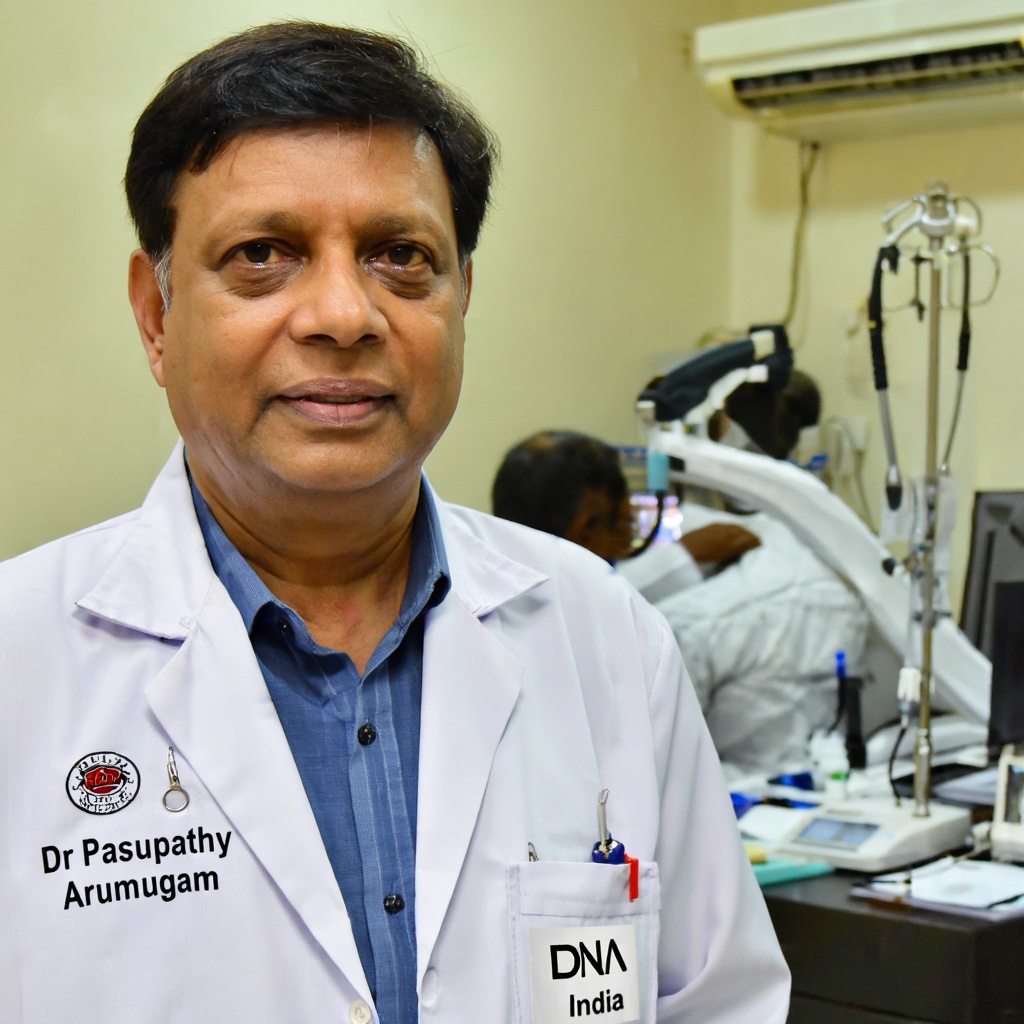
Dr Pasupathy Arumugam
Consultant Pathologist · Reg: 21521
Last updated: September 7, 2026
Overview
To diagnose Cutis Laxa Type 1B by detecting pathogenic mutations in the EFEMP2 gene using Next-Generation Sequencing (NGS), aiding in clinical management and genetic counseling. NGS genetic DNA test detecets for variant and mutation detection in EFEMP2 gene for Cutis laxa type 1B, autosomal recessive
- Test Code
- 4878
- Price
- ₹20,000
- Sample Type
- Blood or Extracted DNA or One drop Blood on FTA Card
- Result Time
- 3 to 4 Weeks
- Fasting Required
- No
- Method
- NGS Technology
EFEMP2 Gene Cutis Laxa Type 1B is a rare genetic disorder that affects the connective tissue in the body. This disorder is caused by mutations in the EFEMP2 gene, which provides instructions for making a protein called fibulin-4. Fibulin-4 is important for the elasticity and strength of the connective tissue. When mutations occur in the EFEMP2 gene, it leads to the production of a non-functional fibulin-4 protein, which causes the connective tissue to become loose and saggy. This results in a range of symptoms, including:
- Loose, saggy skin
- Wrinkles on the face and body
- Poor wound healing
- Joint problems
- Respiratory problems
- Eye problems
EFEMP2 Gene Cutis Laxa Type 1B is an autosomal recessive disorder, which means that a person must inherit two copies of the mutated EFEMP2 gene (one from each parent) to develop the disorder. If both parents carry one copy of the mutated gene, there is a 25% chance with each pregnancy that their child will inherit two copies and develop the disorder.
Diagnosis
Diagnosing EFEMP2 Gene Cutis Laxa Type 1B can be challenging, as the symptoms can be similar to other connective tissue disorders. A clinical examination and a family history can provide clues to the diagnosis. Genetic testing is necessary to confirm the diagnosis. Next-Generation Sequencing (NGS) Genetic DNA Test is the most reliable method of genetic testing, as it can identify mutations in the EFEMP2 gene with high accuracy. The cost of NGS Genetic DNA Test for EFEMP2 Gene Cutis Laxa Type 1B in India is INR 20,000.
Treatment
There is currently no cure for EFEMP2 Gene Cutis Laxa Type 1B, and treatment is focused on managing the symptoms. Treatment options may include:
- Surgery to remove excess skin
- Physical therapy to improve joint mobility
- Respiratory support, such as oxygen therapy
- Eye exams and treatment for vision problems
- Pain management
Conclusion
EFEMP2 Gene Cutis Laxa Type 1B is a rare genetic disorder that affects the connective tissue in the body. It can cause a range of symptoms, including loose and saggy skin, poor wound healing, and respiratory problems. Diagnosis is confirmed through genetic testing, and treatment is focused on managing the symptoms. NGS Genetic DNA Test is the most reliable method of genetic testing, and the cost in India is INR 20,000.
Sample Collection
Clinical history of the patient and a genetic counseling session to draw a pedigree chart of family members affected with Cutis Laxa Type 1B.
Method: Venipuncture or FTA Card
Laboratory Analysis
Blood sample collection via venipuncture or one drop blood on FTA card.
Report Delivery
Sample sent to laboratory for NGS analysis; results available in 3 to 4 weeks.
Timeline: 3 to 4 Weeks
Patient Instructions
About This Test
Who Should Get This Test
To diagnose Cutis Laxa Type 1B by detecting pathogenic mutations in the EFEMP2 gene using Next-Generation Sequencing (NGS), aiding in clinical management and genetic counseling.
NGS genetic DNA test detecets for variant and mutation detection in EFEMP2 gene for Cutis laxa type 1B, autosomal recessive
How to Prepare
- Ensure proper identification and consent
- Use sterile equipment for blood collection
- For FTA card, apply one drop of blood and air-dry
Doctor's Notes
Reviewed by Dr Pasupathy Arumugam — MBBS, MD (Pathology) · Reg. No. 21521
"Genetic counseling is essential for families with a history of Cutis Laxa to understand inheritance patterns and management options."
Last updated: September 7, 2026
Test Parameters & Specifications
Sample Stability
- Hemolyzed or contaminated samples
- Insufficient sample volume
- Improper labeling
Understanding Your Results
Positive for pathogenic variant
Confirms diagnosis of Cutis Laxa Type 1B; genetic counseling recommended for family planning.
Negative for pathogenic variant
No EFEMP2 mutations detected; consider other genetic or clinical causes if symptoms persist.
Variant of uncertain significance
Further evaluation and family studies may be needed for clinical correlation.
Consult a geneticist or dermatologist if symptoms such as loose skin, respiratory issues, or joint problems are present, or if there is a family history of Cutis Laxa.
Limitations
- ⚠May not detect all genetic variants due to technical limitations
- ⚠Results require correlation with clinical findings and family history
Risks & Considerations
- ●Minimal risk from blood draw, such as bruising or infection
- ●Psychological impact of genetic results; counseling available
Frequently Asked Questions
What is EFEMP2 Gene Cutis Laxa Type 1B?
How is Cutis Laxa Type 1B diagnosed?
What is the cost of the NGS genetic test in India?
What are the symptoms of Cutis Laxa Type 1B?
Is the test painful?
How long does it take to get results?
Can this test be done at home?
What if the test results are positive?
Is there a cure for Cutis Laxa Type 1B?
Who should consider this test?
What is the inheritance pattern?
Are there any risks associated with the test?
Related Tests
ADAR Gene Dyschromatosis Symmetrica Hereditaria NGS Genetic Test
₹20,000Nx Gen Sequencing: Albinism Test
₹28,665HR Gene Atrichia with papular lesions NGS Genetic Test
₹20,000ENPP1 Gene Cole disease NGS Genetic Test
₹20,000KRT14 Gene Epidermolysis bullosa simplex, autosomal recessive type 1 NGS Genetic Test
₹20,000MMP1 Gene Epidermolysis bullosa dystrophica, autosomal recessive, modifier of NGS Genetic Test
₹20,000Reference Laboratory Services
We serve as a reference laboratory for hospitals and clinics across India. Send samples from your facility with same-day pickup, priority processing, and results delivered through our online portal. Competitive institutional pricing available.
Your Data Privacy
Your medical data is protected under Indian law.
✓ Stored in India: All patient records are stored on servers located in India. No data is transferred outside the country.
✓ DPDP Act Compliant: Under the Digital Personal Data Protection Act 2023, you can request deletion of your records at any time by contacting support.
Book Your Test
Enter your details and we'll connect you within 15 minutes.