
EXPH5 Gene Epidermolysis bullosa, nonspecific, autosomal recessive NGS Genetic Test
Short Name: EXPH5 EB NGS Test
Also known as: EXPH5 Gene Mutation Test, Epidermolysis Bullosa NGS Test, Autosomal Recessive EB Genetic Test
EXPH5 Gene Epidermolysis bullosa, nonspecific, autosomal recessive NGS Genetic Test test available at DNA Labs India for ₹20,000. Uses NGS Technology on Blood or Extracted DNA or One drop Blood on FTA Card samples. Results in 3 to 4 Weeks. Free home collection in 300+ cities across India.

🩺 Medically Reviewed By
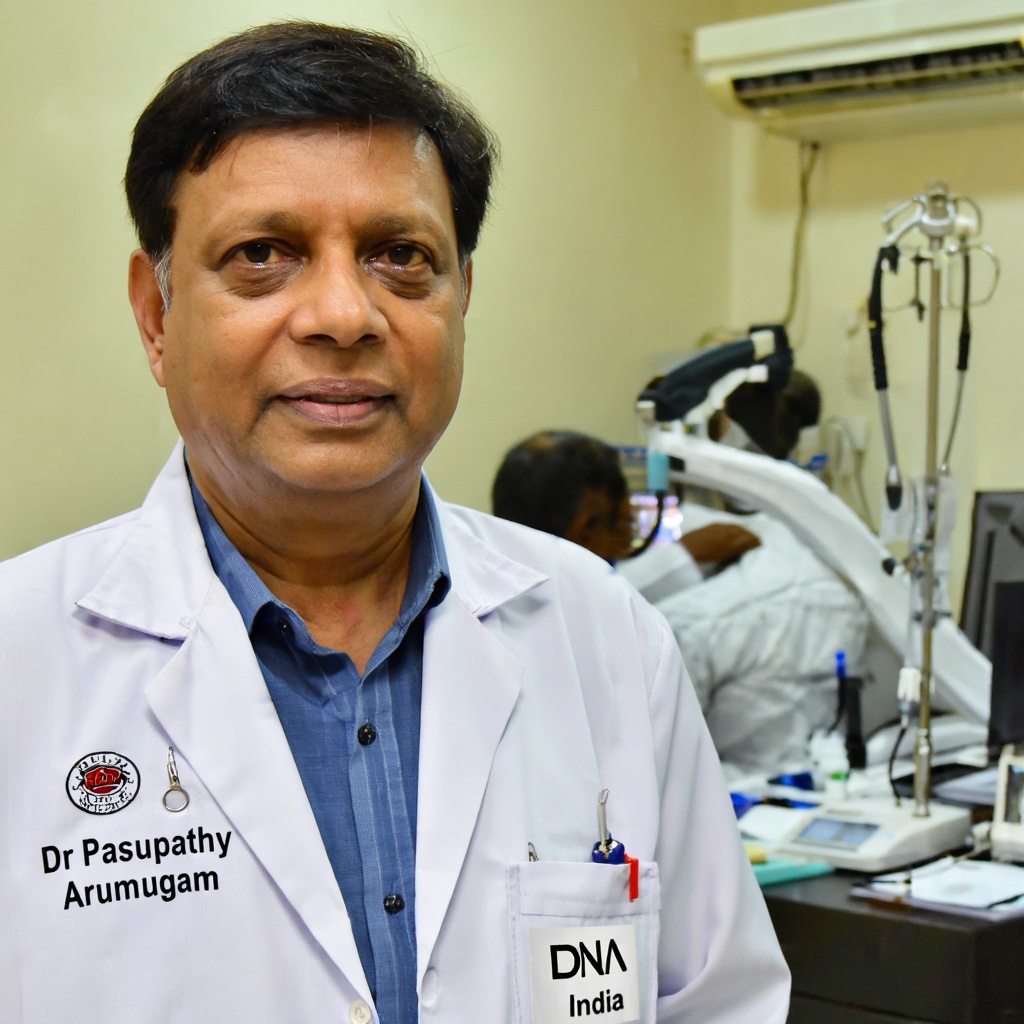
Dr Pasupathy Arumugam
Consultant Pathologist · Reg: 21521
Last updated: September 7, 2026
Overview
To identify mutations in the EXPH5 gene for definitive diagnosis of autosomal recessive epidermolysis bullosa, guide treatment strategies, and inform family planning through genetic counseling. NGS genetic DNA test detecets for variant and mutation detection in EXPH5 gene for Epidermolysis bullosa, nonspecific, autosomal recessive
- Test Code
- 2409
- Price
- ₹20,000
- Sample Type
- Blood or Extracted DNA or One drop Blood on FTA Card
- Result Time
- 3 to 4 Weeks
- Fasting Required
- No
- Method
- NGS Technology
Epidermolysis bullosa (EB) is a rare genetic disorder that affects the skin and mucous membranes. It is caused by mutations in several genes that are involved in the production of proteins that help to anchor the skin layers together. One of these genes is the EXPH5 gene, which is associated with a nonspecific, autosomal recessive form of EB. In this blog, we will discuss the symptoms, diagnosis, and cost of NGS genetic DNA testing for EXPH5 gene mutations in India.
Symptoms of EXPH5 Gene Epidermolysis bullosa
People with EB have extremely fragile skin that blisters and tears easily in response to minor trauma or friction. The severity of the symptoms can vary widely, depending on the type of EB and the specific gene mutations involved. In general, people with the EXPH5 gene mutation form of EB tend to have milder symptoms than those with other forms of the disorder. Common symptoms include:
- Blisters and open sores on the skin, especially on the hands, feet, and joints
- Scarring and thickened skin
- Difficulty swallowing and breathing, in severe cases
- Nail dystrophy and hair loss
Diagnosis of EXPH5 Gene Epidermolysis bullosa
Diagnosis of EB typically involves a combination of clinical evaluation, skin biopsies, and genetic testing. A dermatologist or geneticist will examine the skin and mucous membranes for signs of blistering and scarring. A skin biopsy may be taken to examine the structure of the skin layers and determine the type of EB. Genetic testing can identify specific gene mutations that cause EB, including the EXPH5 gene mutation.
NGS Genetic DNA Test Cost for EXPH5 Gene Epidermolysis bullosa in India
NGS genetic DNA testing is a powerful tool for identifying gene mutations that cause EB. This type of testing uses advanced sequencing technology to examine the entire genome and identify genetic variants that are associated with EB. The cost of NGS genetic DNA testing for EXPH5 gene mutations in India is approximately INR 20,000. This cost may vary depending on the specific testing provider and the type of testing performed.
Conclusion
EXPH5 gene Epidermolysis bullosa is a rare genetic disorder that can cause significant skin and mucous membrane damage. Symptoms of EB can vary widely, but typically involve blistering, scarring, and nail dystrophy. Diagnosis of EB involves a combination of clinical evaluation, skin biopsies, and genetic testing. NGS genetic DNA testing is a powerful tool for identifying gene mutations that cause EB, including the EXPH5 gene mutation. The cost of NGS genetic DNA testing for EXPH5 gene mutations in India is approximately INR 20,000.
If you or a loved one are experiencing symptoms of EB, it is important to seek medical attention from a qualified dermatologist or geneticist. Early diagnosis and treatment can help to manage symptoms and prevent complications.
Sample Collection
Genetic counseling session is recommended to discuss test implications, provide clinical history, and draw a family pedigree chart.
Method: Home Collection or Lab Visit
Laboratory Analysis
Blood sample is drawn by a trained phlebotomist or one drop of blood is collected on an FTA card; alternatively, extracted DNA can be submitted.
Report Delivery
Sample is securely transported to the laboratory for NGS analysis; maintain ambient room temperature during transit.
Timeline: 3 to 4 Weeks
Patient Instructions
About This Test
Who Should Get This Test
To identify mutations in the EXPH5 gene for definitive diagnosis of autosomal recessive epidermolysis bullosa, guide treatment strategies, and inform family planning through genetic counseling.
NGS genetic DNA test detecets for variant and mutation detection in EXPH5 gene for Epidermolysis bullosa, nonspecific, autosomal recessive
How to Prepare
- No fasting required for this test
- Bring valid ID and prescription or doctor's referral
- Ensure sample is properly labeled and sealed
- For FTA card, follow specific collection guidelines provided
Doctor's Notes
Reviewed by Dr Pasupathy Arumugam — MBBS, MD (Pathology) · Reg. No. 21521
"This test is crucial for confirming genetic causes of Epidermolysis bullosa and guiding family counseling and management plans."
Last updated: September 7, 2026
Test Parameters & Specifications
Sample Stability
- Hemolyzed, clotted, or insufficient sample
- Incorrect or missing patient identification
- Sample received beyond stability period
Understanding Your Results
Consult a dermatologist or geneticist if you have persistent blistering skin, family history of EB, or to interpret test results and plan treatment.
Limitations
- ⚠May not detect all genetic variants or non-coding mutations
- ⚠Results require correlation with clinical findings and genetic counseling
- ⚠Does not rule out other forms of epidermolysis bullosa
Risks & Considerations
- ●Minor bruising or discomfort at blood draw site
- ●Extremely low risk of infection
Interfering Factors
- ●Hemolyzed or degraded DNA sample
- ●Insufficient sample volume
- ●Contamination during collection or transport
Compare With Similar Tests
| Test | EXPH5 Gene Epidermolysis bullosa, nonspecific, autosomal recessive NGS Genetic Test | COL7A1 Gene Test | KRT5 Gene Test | LAMB3 Gene Test | PLEC Gene Test |
|---|---|---|---|---|---|
| Comparison | EXPH5 Gene Epidermolysis bullosa, nonspecific, autosomal recessive NGS Genetic Test |
Frequently Asked Questions
What is EXPH5 Gene Epidermolysis bullosa?
How is the NGS genetic test performed?
What is the cost of the test in India?
Is home sample collection available?
How long does it take to get results?
What are the symptoms of this condition?
Who should take this test?
Is genetic counseling required before testing?
What if the test result is positive?
Can this test be used for prenatal diagnosis?
Is the test covered by insurance?
How accurate is the NGS genetic test?
Related Tests
ADAR Gene Dyschromatosis Symmetrica Hereditaria NGS Genetic Test
₹20,000Nx Gen Sequencing: Albinism Test
₹28,665HR Gene Atrichia with papular lesions NGS Genetic Test
₹20,000ENPP1 Gene Cole disease NGS Genetic Test
₹20,000KRT14 Gene Epidermolysis bullosa simplex, autosomal recessive type 1 NGS Genetic Test
₹20,000MMP1 Gene Epidermolysis bullosa dystrophica, autosomal recessive, modifier of NGS Genetic Test
₹20,000Reference Laboratory Services
We serve as a reference laboratory for hospitals and clinics across India. Send samples from your facility with same-day pickup, priority processing, and results delivered through our online portal. Competitive institutional pricing available.
Your Data Privacy
Your medical data is protected under Indian law.
✓ Stored in India: All patient records are stored on servers located in India. No data is transferred outside the country.
✓ DPDP Act Compliant: Under the Digital Personal Data Protection Act 2023, you can request deletion of your records at any time by contacting support.
Book Your Test
Enter your details and we'll connect you within 15 minutes.