
KRAS Gene Cardiofaciocutaneous syndrome NGS Genetic Test
Short Name: KRAS CFC NGS Test
Also known as: KRAS Gene CFC Test, Cardiofaciocutaneous Syndrome Genetic Test
KRAS Gene Cardiofaciocutaneous syndrome NGS Genetic Test test available at DNA Labs India for ₹20,000. Uses Next-Generation Sequencing (NGS) on Blood or Extracted DNA or One drop Blood on FTA Card samples. Results in 3 to 4 weeks. Free home collection in 300+ cities across India.
🩺 Medically Reviewed By
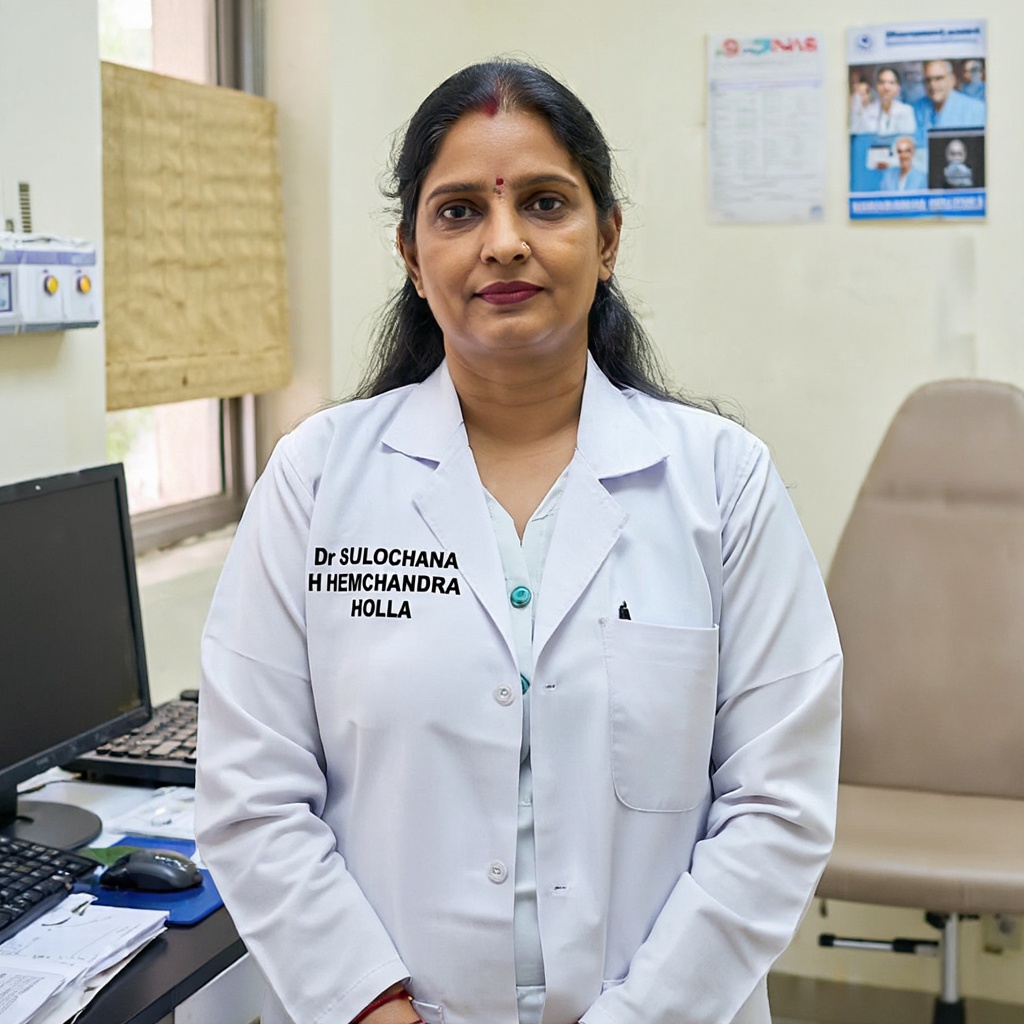
Dr SULOCHANA HEMCHANDRA HOLLA
Consultant Medical Geneticist · Reg: 8532
Last updated: September 7, 2026
Overview
To diagnose Cardiofaciocutaneous Syndrome by identifying mutations in the KRAS gene and other associated genes using NGS technology, providing information for clinical management and genetic counseling.
- Test Code
- 2511
- Price
- ₹20,000
- Sample Type
- Blood or Extracted DNA or One drop Blood on FTA Card
- Result Time
- 3 to 4 weeks
- Fasting Required
- No
- Method
- Next-Generation Sequencing (NGS)
What is the KRAS gene?
The KRAS gene is a gene that provides instructions for making a protein called KRAS. This protein is involved in cell signaling pathways that control cell growth and division. Mutations in the KRAS gene can cause abnormal cell growth and are often found in various types of cancer.
What is Cardiofaciocutaneous Syndrome?
Cardiofaciocutaneous Syndrome (CFC) is a rare genetic disorder that affects many parts of the body. It is caused by mutations in several genes, including the KRAS gene. Symptoms of CFC can vary widely, but often include heart defects, distinctive facial features, and skin abnormalities.
What is the NGS Genetic DNA Test?
The NGS Genetic DNA Test is a genetic test that uses next-generation sequencing technology to analyze a person's DNA for mutations in the KRAS gene and other genes associated with Cardiofaciocutaneous Syndrome. This test can help diagnose CFC and provide information about the severity of the condition.
What is the cost of the NGS Genetic DNA Test?
The cost of the NGS Genetic DNA Test at DNA Labs India is INR 20,000.
What are the symptoms of Cardiofaciocutaneous Syndrome?
Some common symptoms of Cardiofaciocutaneous Syndrome include:
- Heart defects
- Distinctive facial features
- Skin abnormalities
- Delayed development
- Muscle weakness
It is important to note that symptoms can vary widely from person to person and may not be present in all cases.
How is Cardiofaciocutaneous Syndrome diagnosed?
Diagnosis of Cardiofaciocutaneous Syndrome typically involves a physical exam, medical history, and genetic testing. The NGS Genetic DNA Test can help confirm a diagnosis of CFC and provide information about the severity of the condition.
Before getting tested ask for Raw Data, FASTQ, and VCF files along with clinical test report from DNA Testing Lab. DNA Labs India is the Only lab that is transparent and will share Raw Data, FASTQ, and VCF files along with the conclusive clinical report for KRAS Gene Cardiofaciocutaneous syndrome NGS Genetic DNA Test
Sample Collection
Clinical history of the patient and a genetic counseling session to draw a pedigree chart of family members affected with Cardiofaciocutaneous Syndrome.
Method: Venipuncture or FTA Card collection
Laboratory Analysis
Standard blood draw procedure or FTA card collection as per instructions.
Report Delivery
Sample is processed and shipped to the laboratory for NGS analysis.
Timeline: 3 to 4 weeks
Patient Instructions
About This Test
Who Should Get This Test
To diagnose Cardiofaciocutaneous Syndrome by identifying mutations in the KRAS gene and other associated genes using NGS technology, providing information for clinical management and genetic counseling.
How to Prepare
- Ensure proper labeling of samples
- Store blood samples at room temperature
- Use FTA card for one-drop blood collection
- Follow kit instructions for DNA extraction
Doctor's Notes
Reviewed by Dr SULOCHANA HEMCHANDRA HOLLA — MBBS, MD (Medical Genetics) · Reg. No. 8532
"This test is crucial for early diagnosis and management of Cardiofaciocutaneous Syndrome, especially in families with a history of genetic disorders."
Last updated: September 7, 2026
Test Parameters & Specifications
Sample Stability
- Hemolyzed or clotted samples
- Insufficient sample volume
- Improperly labeled samples
Understanding Your Results
Positive
Pathogenic variant detected, confirming diagnosis of CFC
Negative
No pathogenic variants detected, but clinical correlation is advised
Variant of Uncertain Significance (VUS)
Variant found but significance unknown; further testing or family studies may be needed
If symptoms of Cardiofaciocutaneous Syndrome are present, or for genetic counseling before and after testing to discuss results and management options.
Limitations
- ⚠May not detect all genetic variants
- ⚠Requires interpretation by a genetic specialist
- ⚠Results may have psychological implications
Risks & Considerations
- ●Minimal risk from blood draw (bruising, infection)
- ●Psychological impact of genetic results
Interfering Factors
- ●Sample contamination
- ●Degraded DNA
- ●Hemolyzed blood sample
Compare With Similar Tests
| Test | KRAS Gene Cardiofaciocutaneous syndrome NGS Genetic Test | |||
|---|---|---|---|---|
| Comparison | KRAS Gene Cardiofaciocutaneous syndrome NGS Genetic Test |
Frequently Asked Questions
What is the KRAS Gene Cardiofaciocutaneous Syndrome NGS Genetic Test?
What is the cost of this test?
How is the test performed?
What sample is required?
Is fasting required?
How long does it take to get results?
What are the symptoms of Cardiofaciocutaneous Syndrome?
How accurate is the NGS test?
Is home sample collection available?
What should I do before the test?
How do I interpret the results?
Is genetic counseling provided?
Related Tests
Reference Laboratory Services
We serve as a reference laboratory for hospitals and clinics across India. Send samples from your facility with same-day pickup, priority processing, and results delivered through our online portal. Competitive institutional pricing available.
Your Data Privacy
Your medical data is protected under Indian law.
✓ Stored in India: All patient records are stored on servers located in India. No data is transferred outside the country.
✓ DPDP Act Compliant: Under the Digital Personal Data Protection Act 2023, you can request deletion of your records at any time by contacting support.
Book Your Test
Enter your details and we'll connect you within 15 minutes.