
LOXL1 Gene Exfoliation Syndrome, Susceptibility to NGS Genetic Test
Short Name: LOXL1 NGS Genetic Test
Also known as: LOXL1 Genetic Test, Exfoliation Syndrome DNA Test, XFS Susceptibility Test
LOXL1 Gene Exfoliation Syndrome, Susceptibility to NGS Genetic Test test available at DNA Labs India for ₹20,000. Uses Next-Generation Sequencing (NGS) on Blood or Extracted DNA or One drop Blood on FTA Card samples. Results in 3 to 4 weeks. Free home collection in 300+ cities across India.

🩺 Medically Reviewed By
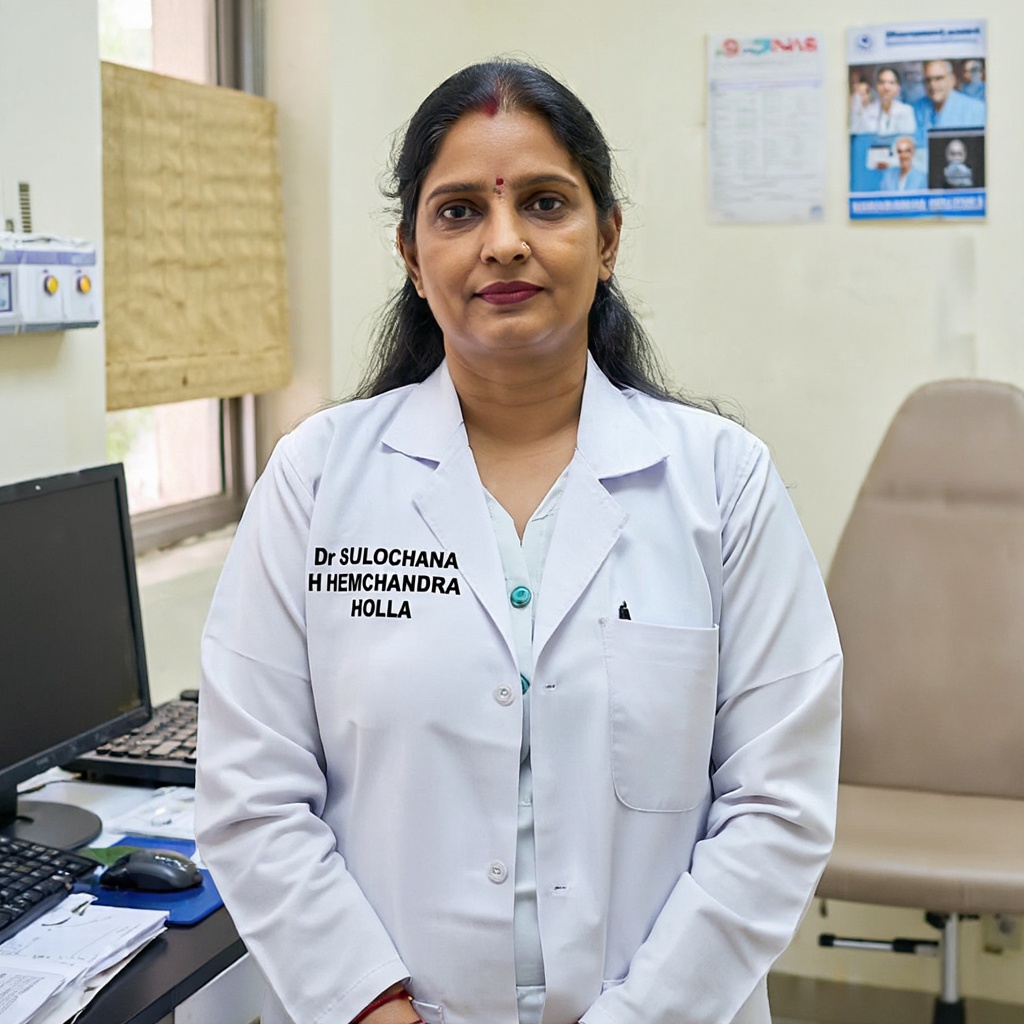
Dr SULOCHANA HEMCHANDRA HOLLA
Consultant Medical Geneticist · Reg: 8532
Last updated: September 7, 2026
Overview
The purpose of the LOXL1 Gene Exfoliation Syndrome NGS Genetic Test is to identify specific genetic variants in the LOXL1 gene that confer increased susceptibility to exfoliation syndrome and subsequent glaucoma. This test aids in risk assessment, early detection, and personalized management for individuals at risk. NGS genetic DNA test detecets for variant and mutation detection in LOXL1 gene for Exfoliation syndrome, susceptibility to
- Test Code
- 1480
- Price
- ₹20,000
- Sample Type
- Blood or Extracted DNA or One drop Blood on FTA Card
- Result Time
- 3 to 4 weeks
- Fasting Required
- No
- Method
- Next-Generation Sequencing (NGS)
Exfoliation syndrome is an eye disorder that affects millions of people worldwide. It occurs when abnormal deposits of fibrillar material accumulate in the eye, leading to increased intraocular pressure and eventually to glaucoma. While the exact cause of exfoliation syndrome is not known, recent studies have identified a genetic link, specifically with the LOXL1 gene.
The LOXL1 Gene and Exfoliation Syndrome
The LOXL1 gene is responsible for producing an enzyme that helps to maintain the structural integrity of the eye's extracellular matrix. Research has shown that certain variations in this gene are associated with an increased risk of exfoliation syndrome and subsequent glaucoma.
According to a study published in the Journal of Glaucoma, individuals who carry the "risk" variants of the LOXL1 gene are up to 20 times more likely to develop exfoliation syndrome than those who do not have these variants. This highlights the importance of genetic testing for individuals with a family history of the condition or those who may be at risk due to other factors.
Symptoms of Exfoliation Syndrome
Exfoliation syndrome is often asymptomatic in its early stages, which is why regular eye exams are crucial for early detection and treatment. However, as the condition progresses, symptoms may include:
- Increased intraocular pressure
- Blurred vision
- Sensitivity to light
- Glare
- Halos around lights
- Difficulty seeing in low light conditions
Diagnosis of Exfoliation Syndrome
Diagnosing exfoliation syndrome typically involves a comprehensive eye exam, which may include:
- Measuring intraocular pressure
- Examining the optic nerve
- Assessing the health of the retina
- Checking for signs of abnormal deposits on the lens or iris
In some cases, additional testing may be necessary to rule out other eye conditions or to determine the best course of treatment.
DNA Testing for Exfoliation Syndrome
Genetic testing can be a valuable tool in identifying individuals who may be at increased risk for exfoliation syndrome due to their LOXL1 gene variants. Next-generation sequencing (NGS) is a state-of-the-art DNA testing technology that can analyze a large number of genes simultaneously, including the LOXL1 gene.
At DNA Labs India, we offer NGS-based genetic testing for exfoliation syndrome at an affordable cost of INR 20,000. Our test can help identify the specific LOXL1 gene variants that may be contributing to an individual's risk for the condition. This information can be used to inform screening, prevention, and treatment strategies.
Conclusion
Exfoliation syndrome is a serious eye condition that can lead to vision loss and blindness if left untreated. Genetic testing can be a valuable tool in identifying individuals who may be at increased risk for the condition, particularly those with a family history or other risk factors. With our NGS-based genetic testing for exfoliation syndrome, DNA Labs India is committed to helping individuals take control of their eye health and make informed decisions about their care.
Don't wait until it's too late. Contact DNA Labs India today to learn more about our genetic testing services for exfoliation syndrome.
Before getting tested ask for Raw Data, FASTQ, and VCF files along with clinical test report from DNA Testing Lab. DNA Labs India is the Only lab that is transparent and will share Raw Data, FASTQ, and VCF files along with the conclusive clinical report for LOXL1 Gene Exfoliation syndrome, susceptibility to NGS Genetic DNA Test
Sample Collection
Clinical history and genetic counseling session recommended. No fasting required. Ensure proper identification and consent.
Method: Venipuncture or finger-prick
Laboratory Analysis
Standard blood draw procedure using aseptic technique. Alternatively, use FTA card for drop blood.
Report Delivery
Label samples correctly and transport at ambient room temperature. Process within stability window.
Timeline: 3 to 4 weeks
Patient Instructions
About This Test
Who Should Get This Test
The purpose of the LOXL1 Gene Exfoliation Syndrome NGS Genetic Test is to identify specific genetic variants in the LOXL1 gene that confer increased susceptibility to exfoliation syndrome and subsequent glaucoma. This test aids in risk assessment, early detection, and personalized management for individuals at risk.
NGS genetic DNA test detecets for variant and mutation detection in LOXL1 gene for Exfoliation syndrome, susceptibility to
How to Prepare
- Collect blood in EDTA tube or apply one drop to FTA card
- Ensure patient comfort and hygiene
- Label samples with patient details
- Avoid hemolysis during collection
Doctor's Notes
Reviewed by Dr SULOCHANA HEMCHANDRA HOLLA — MBBS, MD (Medical Genetics) · Reg. No. 8532
"Early genetic testing for LOXL1 variants can aid in proactive monitoring and management of exfoliation syndrome, potentially preventing glaucoma-related vision loss."
Last updated: September 7, 2026
Test Parameters & Specifications
Sample Stability
- Hemolyzed or clotted samples
- Incorrect labeling
- Insufficient sample volume
- Contaminated samples
Understanding Your Results
Negative
No pathogenic LOXL1 variants detected. Standard risk for exfoliation syndrome based on genetics.
Positive for risk variants
Increased genetic susceptibility to exfoliation syndrome. Recommend regular eye exams and monitoring by an ophthalmologist.
Variant of uncertain significance
Further clinical correlation and possibly additional testing may be needed.
Consult an ophthalmologist if genetic test is positive, symptoms like blurred vision or halos appear, or if there is a family history of glaucoma. Genetic counseling is advised for result interpretation.
Limitations
- ⚠Genetic risk does not guarantee disease development
- ⚠May not detect all rare variants
- ⚠Results require clinical correlation
- ⚠Predictive value varies by population
Risks & Considerations
- ●Minor bruising or soreness at blood draw site
- ●Rare risk of infection
- ●Psychological impact of genetic results
Interfering Factors
- ●Sample contamination
- ●Degraded DNA quality
- ●Hemolyzed blood samples
- ●Incorrect sample collection or storage
Frequently Asked Questions
What is exfoliation syndrome?
What is the LOXL1 gene?
Who should consider the LOXL1 genetic test?
How is the test performed?
What does a positive result mean?
Is the test painful?
How accurate is the genetic test?
What is the cost of the test?
How long does it take to get results?
Is home sample collection available?
Can this test prevent glaucoma?
Do I need genetic counseling?
Related Tests
Leber's Hereditary Optic Neuropathy (LHON) Mitochondrial Mutation Detection Test
₹25,000Nx Gen Sequencing: Cataract Test
₹28,665Nx Gen Sequencing: Glaucoma Test
₹28,665Nx Gen Sequencing: Corneal Dystrophy Test
₹28,665Nx Gen Sequencing: Leber Congenital Amaurosis Test
₹28,665Nx Gen Sequencing: Ophthalmoplegia Test
₹28,665Reference Laboratory Services
We serve as a reference laboratory for hospitals and clinics across India. Send samples from your facility with same-day pickup, priority processing, and results delivered through our online portal. Competitive institutional pricing available.
Your Data Privacy
Your medical data is protected under Indian law.
✓ Stored in India: All patient records are stored on servers located in India. No data is transferred outside the country.
✓ DPDP Act Compliant: Under the Digital Personal Data Protection Act 2023, you can request deletion of your records at any time by contacting support.
Book Your Test
Enter your details and we'll connect you within 15 minutes.