
NCF4 Gene Granulomatous disease, chronic, autosomal recessive, cytochrome b-positive, type 3 NGS Genetic Test
Short Name: NCF4 Gene Test
Also known as: Chronic Granulomatous Disease Type 3, NCF4-related CGD, Autosomal Recessive CGD Type 3
NCF4 Gene Granulomatous disease, chronic, autosomal recessive, cytochrome b-positive, type 3 NGS Genetic Test test available at DNA Labs India for ₹20,000. Uses NGS Technology on Blood or Extracted DNA or One drop Blood on FTA Card samples. Results in 3 to 4 weeks. Free home collection in 300+ cities across India.

🩺 Medically Reviewed By
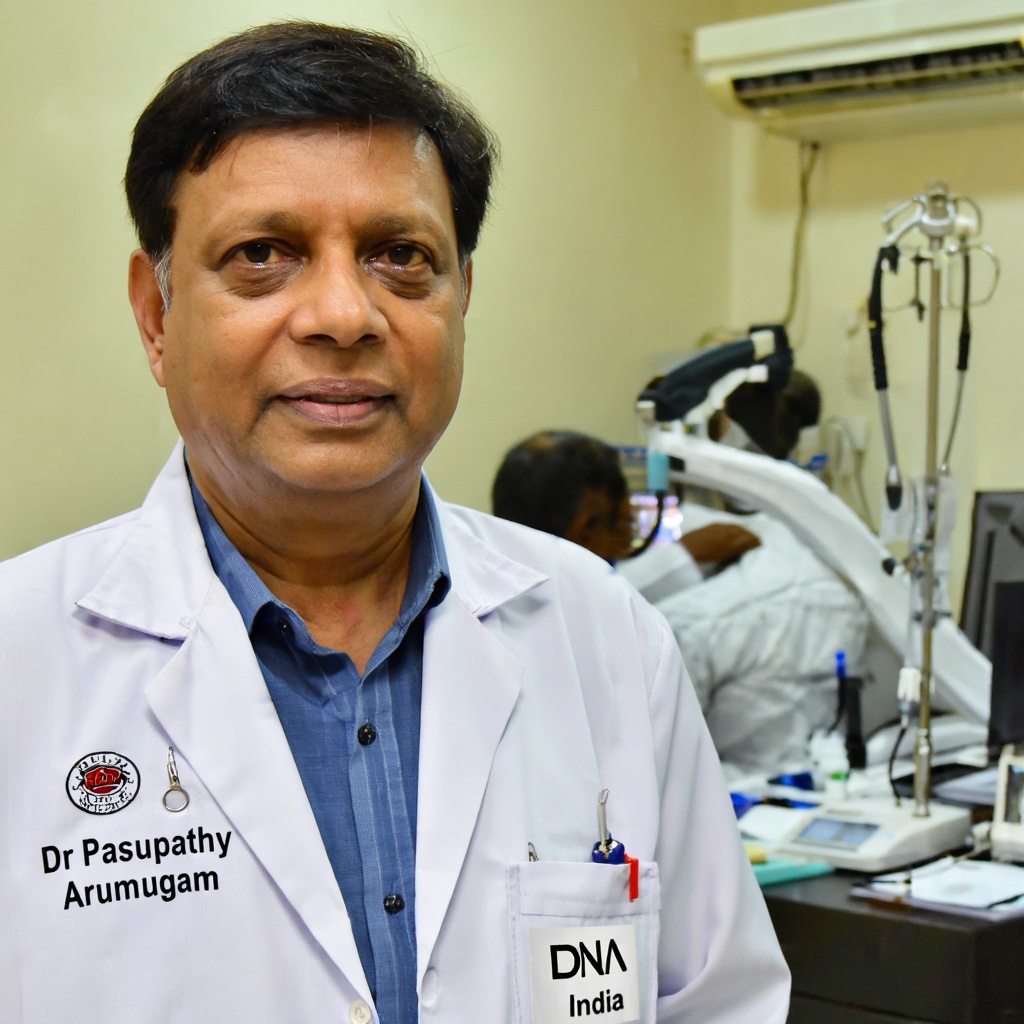
Dr Pasupathy Arumugam
Consultant Pathologist · Reg: 21521
Last updated: September 7, 2026
Overview
The purpose of this test is to diagnose granulomatous disease type 3 by identifying pathogenic mutations in the NCF4 gene using Next-Generation Sequencing (NGS) technology, enabling accurate diagnosis and personalized treatment planning. NGS genetic DNA test detecets for variant and mutation detection in NCF4 gene for Granulomatous disease, chronic, autosomal recessive, cytochrome b-positive, type 3
- Test Code
- 4948
- Price
- ₹20,000
- Sample Type
- Blood or Extracted DNA or One drop Blood on FTA Card
- Result Time
- 3 to 4 weeks
- Fasting Required
- No
- Method
- NGS Technology
Granulomatous disease is a rare inherited disorder that affects the immune system. It is caused by a mutation in the NCF4 gene, which is responsible for producing a protein that plays a crucial role in the immune system's ability to fight infections. Granulomatous disease can be chronic and severe, and it is often accompanied by recurrent infections, inflammation, and tissue damage.
Symptoms of Granulomatous Disease Type 3
Granulomatous disease type 3 is an autosomal recessive disorder that is characterized by a deficiency in the NCF4 protein. The symptoms of this disease can vary widely from person to person, but some of the most common symptoms include:
- Recurrent infections
- Fever and chills
- Inflammation and swelling
- Tissue damage
- Enlarged lymph nodes
- Difficulty breathing
These symptoms can be severe and can significantly impact a person's quality of life. It is essential to get a proper diagnosis and treatment as soon as possible.
Diagnosis of Granulomatous Disease Type 3
Diagnosing granulomatous disease type 3 can be challenging because the symptoms can be similar to other immune system disorders. However, a genetic test can confirm the presence of a mutation in the NCF4 gene.
NGS genetic DNA testing is a powerful diagnostic tool that can identify the specific genetic mutation responsible for granulomatous disease type 3. This test can provide accurate and reliable results, allowing doctors to develop an effective treatment plan for their patients.
Cost of NGS Genetic DNA Test
The cost of an NGS genetic DNA test for granulomatous disease type 3 can vary depending on the laboratory and location. At DNA Labs India, the cost of the NGS genetic DNA test for granulomatous disease type 3 is INR 20,000.
Treatment for Granulomatous Disease Type 3
There is currently no cure for granulomatous disease type 3, but there are treatments available to manage the symptoms and reduce the risk of complications. Antibiotics and antifungal medications can help control infections, while immunosuppressive drugs can reduce inflammation and tissue damage.
It is essential to work closely with a doctor to develop a treatment plan that is tailored to the individual's needs. Regular check-ups and monitoring can help ensure that the treatment is effective and that any potential complications are addressed promptly.
Conclusion
Granulomatous disease type 3 is a rare inherited disorder that can cause severe and chronic symptoms. Genetic testing can provide an accurate diagnosis, allowing doctors to develop an effective treatment plan. While there is currently no cure for this disease, there are treatments available to manage the symptoms and reduce the risk of complications. If you or a loved one is experiencing symptoms of granulomatous disease type 3, it is essential to seek medical attention as soon as possible.
For more information about NGS genetic DNA testing for granulomatous disease type 3, contact DNA Labs India today.
Sample Collection
Clinical history of the patient and a genetic counseling session to draw a pedigree chart of family members affected with granulomatous disease type 3.
Laboratory Analysis
Your sample is analyzed using NGS Technology in our laboratory.
Report Delivery
A certified pathologist reviews and signs your report. You receive it as a secure PDF via email and WhatsApp.
Timeline: 3 to 4 weeks
Patient Instructions
About This Test
Who Should Get This Test
The purpose of this test is to diagnose granulomatous disease type 3 by identifying pathogenic mutations in the NCF4 gene using Next-Generation Sequencing (NGS) technology, enabling accurate diagnosis and personalized treatment planning.
NGS genetic DNA test detecets for variant and mutation detection in NCF4 gene for Granulomatous disease, chronic, autosomal recessive, cytochrome b-positive, type 3
How to Prepare
- Collect blood sample in an EDTA tube or use extracted DNA or one drop of blood on an FTA card.
- Ensure proper labeling and handling of the sample.
Doctor's Notes
Reviewed by Dr Pasupathy Arumugam — MBBS, MD (Pathology) · Reg. No. 21521
"Early genetic diagnosis is crucial for managing chronic granulomatous disease and preventing severe infections. Genetic counseling is recommended for affected families."
Last updated: September 7, 2026
Test Parameters & Specifications
Understanding Your Results
Positive
Pathogenic variant detected in the NCF4 gene, indicating granulomatous disease type 3. Consult a genetic specialist for management.
Negative
No pathogenic variants detected. Symptoms may be due to other causes; further clinical evaluation is recommended.
Variant of uncertain significance
A genetic variant was found but its clinical significance is unclear. Genetic counseling and follow-up testing may be advised.
If symptoms of recurrent infections, chronic inflammation, or a family history of granulomatous disease are present, consult a healthcare provider for evaluation and possible genetic testing.
Risks & Considerations
- ●Potential psychological impact of genetic diagnosis
- ●Minimal risk from blood collection, such as bruising or infection
Frequently Asked Questions
What is the NCF4 Gene Granulomatous Disease Type 3 Test?
How is the test performed?
What are the symptoms of granulomatous disease type 3?
Who should get this test?
What is the cost of the test?
Is home sample collection available?
How long does it take to get results?
What does a positive result mean?
Is there a cure for granulomatous disease type 3?
How is the disease treated?
Is genetic counseling recommended?
Are there any risks associated with the test?
Related Tests
Reference Laboratory Services
We serve as a reference laboratory for hospitals and clinics across India. Send samples from your facility with same-day pickup, priority processing, and results delivered through our online portal. Competitive institutional pricing available.
Your Data Privacy
Your medical data is protected under Indian law.
✓ Stored in India: All patient records are stored on servers located in India. No data is transferred outside the country.
✓ DPDP Act Compliant: Under the Digital Personal Data Protection Act 2023, you can request deletion of your records at any time by contacting support.
Book Your Test
Enter your details and we'll connect you within 15 minutes.