
Newborns Genetic Test Panel NGS Genetic Test
Short Name: Newborn Genetic Panel NGS
Also known as: Newborn Genetic Screening Panel, NGS Newborn Test
Newborns Genetic Test Panel NGS Genetic Test test available at DNA Labs India for ₹20,000. Uses NGS Technology on Blood or Extracted DNA or One drop Blood on FTA Card samples. Results in 3 to 4 Weeks. Free home collection in 300+ cities across India.

🩺 Medically Reviewed By
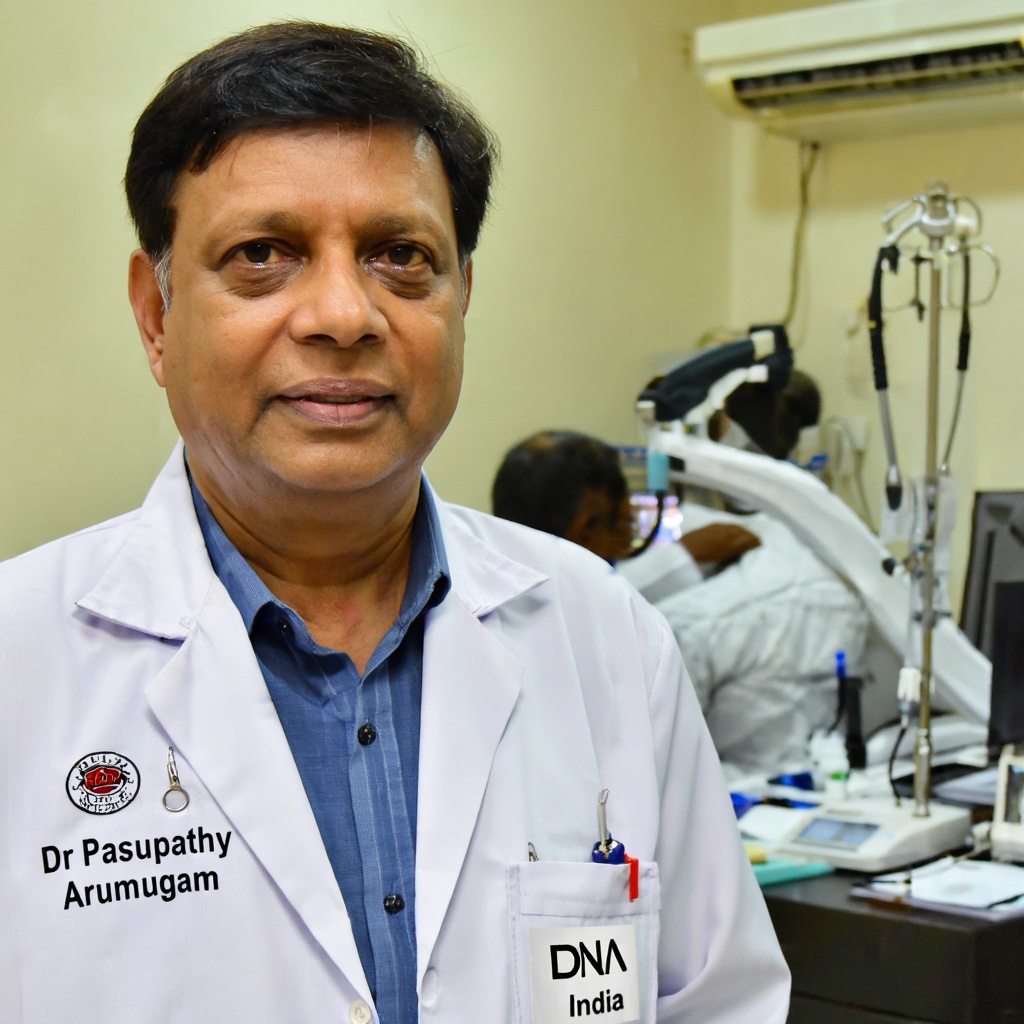
Dr Pasupathy Arumugam
Consultant Pathologist · Reg: 21521
Last updated: September 7, 2026
Overview
The purpose of the Newborn Genetic Test Panel is to identify genetic disorders early in life, enabling prompt medical management, reducing complications, and providing families with essential information for healthcare planning and genetic counselling. List of genes tested using NGS technology for detection of variant and mutation in Newborns Genetic Test Panel are AARS1, AARS2, AASS, ABAT, ABCA12, ABCA3, ABCB11, ABCC8, ABCD1, ABCD3, ABCD4, ACAD8, ACAD9, ACADM, ACADS, ACADSB, ACADVL, ACAT1, ACO2, ACOX1, ACSF3, ACTA1, ACY1, ADA, ADAMTS13, ADAMTSL2, ADAR, ADK, ADNP, ADSL, AGA, AGK, AGL, AGPAT2, AGPS, AGRN, AGXT, AHCY, AICDA, AIFM1, AIMP1, AKAP9, AKR1D1, AKT2, ALAD, ALAS2, ALDH18A1, ALDH3A2, ALDH4A1, ALDH5A1, ALDH6A1, ALDH7A1, ALDOA, ALDOB, ALG1, ALG11, ALG12, ALG13, ALG14, ALG2, ALG3, ALG6, ALG8, ALG9, ALOX12B, ALOXE3, ALPL, ALS2, AMACR, AMN, AMPD1, AMT, ANK1, ANKRD26, ANKS6, ANTXR1, ANTXR2, AP2S1, AP4B1, AP4E1, AP4M1, AP4S1, APOB, APTX, ARG1, ARL6, ARSA, ARSB, ARX, ASAH1, ASL, ASNS, ASPA, ASPM, ASS1, ATIC, ATP1A3, ATP6V0A2, ATP6V1B1, ATP7A, ATP7B, ATP8B1, ATPAF2, ATR, ATRX, AUH, B3GLCT, B4GALT1, BCAP31, BCKDHA, BCKDHB, BCKDK, BCS1L, BDNF, BICD2, BIN1, BLNK, BOLA3, BRAF, BRAT1, BRCA2, BSCL2, BSND, BTD, BTK, C12orf65, CA12, CACNA1C, CACNB2, CALM1, CAMTA1, CASK, CASR, CAST, CAV1, CAV3, CAVIN1, CBS, CCDC103, CCDC114, CCDC78, CD19, CD247, CD320, CD3D, CD3E, CD3G, CD40, CD40LG, CD59, CD79A, CD79B, CD81, CD96, CDAN1, CDK5RAP2, CDKL5, CDKN1C, CENPJ, CEP152, CEP290, CERS3, CFAP298, CFH, CFHR3, CFL2, CFTR, CHAT, CHD7, CHKB, CHM, CHRNA1, CHRNB1, CHRND, CHRNE, CIDEC, CLCN1, CLCNKA, CLCNKB, CLDN16, CLN3, CLN5, CLN6, CLN8, CLPB, CNTN1, COA5, COG1, COG6, COG7, COL11A1, COL17A1, COL1A1, COL1A2, COL2A1, COL3A1, COL5A2, COL6A1, COL6A2, COL6A3, COL7A1, COLQ, COMP, COQ2, COQ8A, COQ9, CORO1A, COX10, COX15, COX20, COX6B1, CPS1, CPT1A, CPT2, CR2, CRPPA, CRTAP, CTNS, CTPS1, CTSA, CTSD, CUL4B, CXCR4, CYP11B1, CYP11B2, CYP17A1, CYP4F22, CYP7B1, D2HGDH, DBT, DCLRE1C, DDC, DDOST, DDR2, DEPDC5, DES, DGUOK, DHCR24, DHCR7, DIAPH1, DLAT, DLD, DMD, DNA2, DNAH11, DNAH5, DNAI1, DNAI2, DNAJC19, DNM2, DOCK7, DOCK8, DOK7, DOLK, DPAGT1, DPM2, DPYD, DRC1, DSP, DST, DUOX2, DUOXA2, DYSF, EDN3, EEF1A2, EGR2, EIF2AK3, EIF2B1, EIF2B2, EIF2B3, EIF2B4, EIF2B5, ELAC2, ELANE, ENPP1, EPB42, EPCAM, ETFA, ETFB, ETFDH, ETHE1, EVC, EVC2, EXOSC3, EYA1, EYA4, F10, F11, F13A1, F2, F5, F7, F8, F9, FADD, FAH, FANCA, FANCB, FANCC, FANCD2, FANCL, FARS2, FASTKD2, FBN1, FBP1, FBXL4, FGA, FGB, FGFR2, FGFR3, FGG, FH, FIG4, FKBP14, FKRP, FKTN, FOXC1, FOXG1, FOXP3, FOXRED1, FRAS1, FUCA1, G6PC, G6PD, GAA, GALC, GALE, GALK1, GALNS, GALT, GAMT, GAN, GARS1, GATA1, GATM, GBA, GBE1, GCDH, GCH1, GCK, GCSH, GDAP1, GFAP, GFM1, GFPT1, GJA1, GJB2, GJB4, GK, GLA, GLB1, GLDC, GLIS3, GLRA1, GLRB, GLUD1, GLYCTK, GMPPB, GNAS, GNE, GNMT, GNPAT, GNPTAB, GP1BA, GP1BB, GP9, GPC3, GPHN, GPSM2, GSS, GUSB, GYS2, HADH, HADHA, HADHB, HAMP, HAX1, HBA1, HBA2, HBB, HCFC1, HESX1, HEXA, HEXB, HGD, HGF, HIBCH, HLCS, HMGCL, HMGCS2, HNF1A, HNF1B, HNF4A, HPD, HPGD, HRAS, HSD17B10, HSD17B4, HSD3B2, HSD3B7, HSPA9, HSPD1, HSPG2, ICOS, IDUA, IER3IP1, IFIH1, IFT172, IGF1, IGF1R, IGHMBP2, IGLL1, IKBKB, IL12RB1, IL2RA, IL2RG, IL7R, INS, INSR, INVS, IRF8, ITGA2B, ITGA6, ITGA7, ITGB3, ITGB4, IVD, JAG1, JAGN1, JAK3, JAM3, KAT6A, KAT6B, KBTBD13, KCNE1, KCNH1, KCNH2, KCNJ10, KCNJ11, KCNQ1, KCNQ2, KCNQ3, KCNT1, KCTD7, KIF1B, KLF1, KLHL40, KLHL41, KLHL7, KRAS, KRT5, LAMA2, LAMA3, LAMB3, LAMC2, LAMP2, LAMTOR2, LARS2, LAS1L, LCT, LHX3, LHX4, LIAS, LIG4, LIPA, LIPN, LIPT1, LMBRD1, LMNA, LPIN1, LRBA, LRPPRC, LRRC8A, MAGEL2, MAGT1, MALT1, MAN2B1, MANBA, MAP2K1, MAP2K2, MAT1A, MCCC1, MCCC2, MCEE, MCM4, MCPH1, MECP2, MED12, MEF2C, MEGF10, MFN2, MFSD8, MITF, MKKS, MLC1, MLYCD, MMAA, MMAB, MMACHC, MMADHC, MMUT, MOCS1, MOCS2, MPC1, MPI, MPL, MPV17, MPZ, MRPL3, MRPL44, MSMO1, MTHFR, MTM1, MTMR14, MTO1, MTR, MTRR, MUSK, MVK, MYCN, MYH9, NAA10, NAGA, NAGS, NALCN, NARS2, NBAS, NDUFA1, NDUFA10, NDUFA11, NDUFA2, NDUFA9, NDUFAF1, NDUFAF2, NDUFAF3, NDUFAF4, NDUFAF5, NDUFAF6, NDUFB3, NDUFB9, NDUFS1, NDUFS2, NDUFS3, NDUFS4, NDUFS6, NDUFS7, NDUFV1, NDUFV2, NEB, NEU1, NEUROG3, NEXN, NFKB2, NFU1, NGF, NGLY1, NHEJ1, NIPAL4, NIPBL, NKX2-1, NKX2-5, NLRC4, NLRP3, NOTCH2, NPC1, NPC2, NPHP1, NPHP3, NR0B1, NR3C2, NRAS, NSD1, NSDHL, NUBPL, OAT, OCLN, OCRL, OPA3, OPHN1, ORC1, ORC4, OTC, OXCT1, PAFAH1B1, PAH, PAX2, PAX3, PAX6, PAX8, PC, PCBD1, PCCA, PCCB, PCDH19, PCNT, PDCD10, PDE10A, PDHA1, PDHB, PDHX, PDP1, PDSS2, PDX1, PEPD, PEX1, PEX10, PEX12, PEX13, PEX14, PEX16, PEX19, PEX2, PEX26, PEX3, PEX5, PEX6, PEX7, PGAP1, PGM1, PHGDH, PHKG2, PHOX2B, PIGA, PIGN, PIGT, PIGV, PIK3CD, PKD2, PKHD1, PKLR, PLCB4, PLEC, PLOD1, PLP1, PMM2, PMP22, PNKP, PNP, PNPLA1, PNPO, PNPT1, POGZ, POLG, POLG2, POMGNT1, POMGNT2, POMK, POMT1, POMT2, POU1F1, PPT1, PRDM16, PRKAG2, PROC, PRODH, PROP1, PROS1, PRPS1, PRRT2, PSAP, PSAT1, PSPH, PTPN11, PTPRC, PTRH2, PTS, PURA, QDPR, RAB18, RAB3GAP1, RAB3GAP2, RAC2, RAF1, RAG1, RAG2, RANBP2, RAPSN, RARS2, RB1, RBBP8, RBM8A, RET, RFT1, RFX5, RFX6, RIT1, RMND1, RNASEH2C, RNASET2, RORC, RPS19, RRM2B, RXYLT1, RYR1, SALL1, SATB2, SBDS, SCN1A, SCN2A, SCN4A, SCN5A, SCN9A, SCO1, SCO2, SDHA, SDHAF1, SELENON, SERAC1, SERPINC1, SERPING1, SFTPB, SFTPC, SHOC2, SIL1, SIX3, SIX5, SKI, SLC12A6, SLC16A1, SLC16A2, SLC17A5, SLC19A2, SLC19A3, SLC22A5, SLC25A1, SLC25A12, SLC25A13, SLC25A15, SLC25A19, SLC25A20, SLC25A22, SLC25A3, SLC26A2, SLC26A3, SLC2A1, SLC30A2, SLC33A1, SLC3A1, SLC4A1, SLC52A1, SLC52A3, SLC5A1, SLC5A5, SLC6A1, SLC6A3, SLC6A5, SLC7A7, SLC7A9, SLCO1B1, SLCO1B3, SMPD1, SNAI2, SNX10, SOS1, SOX10, SOX2, SOX9, SPAST, SPEG, SPINK5, SPINT2, SPR, SPRED1, SPTA1, SPTAN1, SPTB, SRD5A3, ST3GAL3, ST3GAL5, STAR, STAT1, STAT3, STIL, STIM1, STS, STT3B, STXBP1, SUCLA2, SUCLG1, SUMF1, SUOX, SYNE1, TACO1, TAT, TAZ, TBC1D24, TBCE, TBX19, TBX5, TCAP, TCN2, TFR2, TG, TGM1, TH, THRA, TJP2, TMCO1, TMEM165, STING1, TMEM70, TNFRSF13B, TNFRSF13C, TNFSF4, TNNT1, TP63, TPM2, TPM3, TPO, TPP1, TRIP11, TRMU, TRPV4, TSC1, TSC2, TSFM, TSHB, TSHR, TSPYL1, TTC7A, TTN, TUBA8, TUBB2A, TWNK, UBA1, UGT1A1, UMPS, UNG, UPB1, UQCRC2, UROD, UROS, WAS, WDPCP, WDR62, WDR73, WFS1, WNK1, WT1, ZAP70, ZEB2, ZFP57, ZNF423
- Test Code
- 1849
- Price
- ₹20,000
- Sample Type
- Blood or Extracted DNA or One drop Blood on FTA Card
- Result Time
- 3 to 4 Weeks
- Fasting Required
- No
- Method
- NGS Technology
Welcoming a newborn is a joyous moment for every family. As parents, we want to ensure that our baby is healthy and happy. One way to ensure this is by getting a genetic test done for the newborn. DNA Labs India offers a comprehensive Newborn Genetic Test Panel that can help detect any genetic disorders or abnormalities in the baby.
What is a Newborn Genetic Test Panel?
A Newborn Genetic Test Panel is a diagnostic test that is done to determine if a newborn has any genetic disorders or abnormalities. The test is done using Next-Generation Sequencing (NGS) technology, which is a state-of-the-art method for detecting genetic mutations. The test panel includes a range of genetic disorders that are commonly found in newborns.
What is Next-Generation Sequencing?
Next-Generation Sequencing (NGS) is a high-throughput method for DNA sequencing. It is a fast and efficient way to sequence DNA, and it can detect mutations in multiple genes simultaneously. NGS is a powerful tool for diagnosing genetic disorders and is widely used in clinical settings.
Cost of Newborn Genetic Test Panel
The cost of the Newborn Genetic Test Panel at DNA Labs India is INR 20,000. The test is comprehensive and includes screening for multiple genetic disorders. The cost of the test is reasonable, considering the benefits it provides.
Symptoms of Genetic Disorders in Newborns
Some genetic disorders may not show any symptoms at birth, while others may have noticeable symptoms. Some common symptoms of genetic disorders in newborns include:
- Developmental delays
- Intellectual disability
- Difficulty with feeding or breathing
- Abnormal facial features
- Seizures
- Heart defects
Diagnosis of Genetic Disorders in Newborns
The diagnosis of genetic disorders in newborns can be challenging. In some cases, the symptoms may not be apparent at birth, and the disorder may only be detected later in life. Genetic testing can help identify the presence of genetic disorders in newborns. The Newborn Genetic Test Panel at DNA Labs India is a comprehensive test that can help detect genetic disorders early on, allowing for timely intervention and treatment.
Conclusion
The Newborn Genetic Test Panel offered by DNA Labs India is a comprehensive test that can help detect genetic disorders in newborns. The test uses NGS technology, which is a fast and efficient way to detect genetic mutations. The cost of the test is reasonable, considering the benefits it provides. Early detection of genetic disorders can help ensure timely intervention and treatment, leading to better health outcomes for the baby.
For more information about the Newborn Genetic Test Panel, visit DNA Labs India's website or contact them directly.
Sample Collection
Ensure the newborn is stable for blood draw. Inform the healthcare provider of any medical history.
Method: Venipuncture or FTA Card Collection
Laboratory Analysis
Blood sample will be collected via venipuncture or using an FTA card for a drop of blood.
Report Delivery
Apply pressure to the puncture site to prevent bleeding. Monitor for any signs of discomfort.
Timeline: 3 to 4 Weeks
Patient Instructions
About This Test
Who Should Get This Test
The purpose of the Newborn Genetic Test Panel is to identify genetic disorders early in life, enabling prompt medical management, reducing complications, and providing families with essential information for healthcare planning and genetic counselling.
List of genes tested using NGS technology for detection of variant and mutation in Newborns Genetic Test Panel are AARS1, AARS2, AASS, ABAT, ABCA12, ABCA3, ABCB11, ABCC8, ABCD1, ABCD3, ABCD4, ACAD8, ACAD9, ACADM, ACADS, ACADSB, ACADVL, ACAT1, ACO2, ACOX1, ACSF3, ACTA1, ACY1, ADA, ADAMTS13, ADAMTSL2, ADAR, ADK, ADNP, ADSL, AGA, AGK, AGL, AGPAT2, AGPS, AGRN, AGXT, AHCY, AICDA, AIFM1, AIMP1, AKAP9, AKR1D1, AKT2, ALAD, ALAS2, ALDH18A1, ALDH3A2, ALDH4A1, ALDH5A1, ALDH6A1, ALDH7A1, ALDOA, ALDOB, ALG1, ALG11, ALG12, ALG13, ALG14, ALG2, ALG3, ALG6, ALG8, ALG9, ALOX12B, ALOXE3, ALPL, ALS2, AMACR, AMN, AMPD1, AMT, ANK1, ANKRD26, ANKS6, ANTXR1, ANTXR2, AP2S1, AP4B1, AP4E1, AP4M1, AP4S1, APOB, APTX, ARG1, ARL6, ARSA, ARSB, ARX, ASAH1, ASL, ASNS, ASPA, ASPM, ASS1, ATIC, ATP1A3, ATP6V0A2, ATP6V1B1, ATP7A, ATP7B, ATP8B1, ATPAF2, ATR, ATRX, AUH, B3GLCT, B4GALT1, BCAP31, BCKDHA, BCKDHB, BCKDK, BCS1L, BDNF, BICD2, BIN1, BLNK, BOLA3, BRAF, BRAT1, BRCA2, BSCL2, BSND, BTD, BTK, C12orf65, CA12, CACNA1C, CACNB2, CALM1, CAMTA1, CASK, CASR, CAST, CAV1, CAV3, CAVIN1, CBS, CCDC103, CCDC114, CCDC78, CD19, CD247, CD320, CD3D, CD3E, CD3G, CD40, CD40LG, CD59, CD79A, CD79B, CD81, CD96, CDAN1, CDK5RAP2, CDKL5, CDKN1C, CENPJ, CEP152, CEP290, CERS3, CFAP298, CFH, CFHR3, CFL2, CFTR, CHAT, CHD7, CHKB, CHM, CHRNA1, CHRNB1, CHRND, CHRNE, CIDEC, CLCN1, CLCNKA, CLCNKB, CLDN16, CLN3, CLN5, CLN6, CLN8, CLPB, CNTN1, COA5, COG1, COG6, COG7, COL11A1, COL17A1, COL1A1, COL1A2, COL2A1, COL3A1, COL5A2, COL6A1, COL6A2, COL6A3, COL7A1, COLQ, COMP, COQ2, COQ8A, COQ9, CORO1A, COX10, COX15, COX20, COX6B1, CPS1, CPT1A, CPT2, CR2, CRPPA, CRTAP, CTNS, CTPS1, CTSA, CTSD, CUL4B, CXCR4, CYP11B1, CYP11B2, CYP17A1, CYP4F22, CYP7B1, D2HGDH, DBT, DCLRE1C, DDC, DDOST, DDR2, DEPDC5, DES, DGUOK, DHCR24, DHCR7, DIAPH1, DLAT, DLD, DMD, DNA2, DNAH11, DNAH5, DNAI1, DNAI2, DNAJC19, DNM2, DOCK7, DOCK8, DOK7, DOLK, DPAGT1, DPM2, DPYD, DRC1, DSP, DST, DUOX2, DUOXA2, DYSF, EDN3, EEF1A2, EGR2, EIF2AK3, EIF2B1, EIF2B2, EIF2B3, EIF2B4, EIF2B5, ELAC2, ELANE, ENPP1, EPB42, EPCAM, ETFA, ETFB, ETFDH, ETHE1, EVC, EVC2, EXOSC3, EYA1, EYA4, F10, F11, F13A1, F2, F5, F7, F8, F9, FADD, FAH, FANCA, FANCB, FANCC, FANCD2, FANCL, FARS2, FASTKD2, FBN1, FBP1, FBXL4, FGA, FGB, FGFR2, FGFR3, FGG, FH, FIG4, FKBP14, FKRP, FKTN, FOXC1, FOXG1, FOXP3, FOXRED1, FRAS1, FUCA1, G6PC, G6PD, GAA, GALC, GALE, GALK1, GALNS, GALT, GAMT, GAN, GARS1, GATA1, GATM, GBA, GBE1, GCDH, GCH1, GCK, GCSH, GDAP1, GFAP, GFM1, GFPT1, GJA1, GJB2, GJB4, GK, GLA, GLB1, GLDC, GLIS3, GLRA1, GLRB, GLUD1, GLYCTK, GMPPB, GNAS, GNE, GNMT, GNPAT, GNPTAB, GP1BA, GP1BB, GP9, GPC3, GPHN, GPSM2, GSS, GUSB, GYS2, HADH, HADHA, HADHB, HAMP, HAX1, HBA1, HBA2, HBB, HCFC1, HESX1, HEXA, HEXB, HGD, HGF, HIBCH, HLCS, HMGCL, HMGCS2, HNF1A, HNF1B, HNF4A, HPD, HPGD, HRAS, HSD17B10, HSD17B4, HSD3B2, HSD3B7, HSPA9, HSPD1, HSPG2, ICOS, IDUA, IER3IP1, IFIH1, IFT172, IGF1, IGF1R, IGHMBP2, IGLL1, IKBKB, IL12RB1, IL2RA, IL2RG, IL7R, INS, INSR, INVS, IRF8, ITGA2B, ITGA6, ITGA7, ITGB3, ITGB4, IVD, JAG1, JAGN1, JAK3, JAM3, KAT6A, KAT6B, KBTBD13, KCNE1, KCNH1, KCNH2, KCNJ10, KCNJ11, KCNQ1, KCNQ2, KCNQ3, KCNT1, KCTD7, KIF1B, KLF1, KLHL40, KLHL41, KLHL7, KRAS, KRT5, LAMA2, LAMA3, LAMB3, LAMC2, LAMP2, LAMTOR2, LARS2, LAS1L, LCT, LHX3, LHX4, LIAS, LIG4, LIPA, LIPN, LIPT1, LMBRD1, LMNA, LPIN1, LRBA, LRPPRC, LRRC8A, MAGEL2, MAGT1, MALT1, MAN2B1, MANBA, MAP2K1, MAP2K2, MAT1A, MCCC1, MCCC2, MCEE, MCM4, MCPH1, MECP2, MED12, MEF2C, MEGF10, MFN2, MFSD8, MITF, MKKS, MLC1, MLYCD, MMAA, MMAB, MMACHC, MMADHC, MMUT, MOCS1, MOCS2, MPC1, MPI, MPL, MPV17, MPZ, MRPL3, MRPL44, MSMO1, MTHFR, MTM1, MTMR14, MTO1, MTR, MTRR, MUSK, MVK, MYCN, MYH9, NAA10, NAGA, NAGS, NALCN, NARS2, NBAS, NDUFA1, NDUFA10, NDUFA11, NDUFA2, NDUFA9, NDUFAF1, NDUFAF2, NDUFAF3, NDUFAF4, NDUFAF5, NDUFAF6, NDUFB3, NDUFB9, NDUFS1, NDUFS2, NDUFS3, NDUFS4, NDUFS6, NDUFS7, NDUFV1, NDUFV2, NEB, NEU1, NEUROG3, NEXN, NFKB2, NFU1, NGF, NGLY1, NHEJ1, NIPAL4, NIPBL, NKX2-1, NKX2-5, NLRC4, NLRP3, NOTCH2, NPC1, NPC2, NPHP1, NPHP3, NR0B1, NR3C2, NRAS, NSD1, NSDHL, NUBPL, OAT, OCLN, OCRL, OPA3, OPHN1, ORC1, ORC4, OTC, OXCT1, PAFAH1B1, PAH, PAX2, PAX3, PAX6, PAX8, PC, PCBD1, PCCA, PCCB, PCDH19, PCNT, PDCD10, PDE10A, PDHA1, PDHB, PDHX, PDP1, PDSS2, PDX1, PEPD, PEX1, PEX10, PEX12, PEX13, PEX14, PEX16, PEX19, PEX2, PEX26, PEX3, PEX5, PEX6, PEX7, PGAP1, PGM1, PHGDH, PHKG2, PHOX2B, PIGA, PIGN, PIGT, PIGV, PIK3CD, PKD2, PKHD1, PKLR, PLCB4, PLEC, PLOD1, PLP1, PMM2, PMP22, PNKP, PNP, PNPLA1, PNPO, PNPT1, POGZ, POLG, POLG2, POMGNT1, POMGNT2, POMK, POMT1, POMT2, POU1F1, PPT1, PRDM16, PRKAG2, PROC, PRODH, PROP1, PROS1, PRPS1, PRRT2, PSAP, PSAT1, PSPH, PTPN11, PTPRC, PTRH2, PTS, PURA, QDPR, RAB18, RAB3GAP1, RAB3GAP2, RAC2, RAF1, RAG1, RAG2, RANBP2, RAPSN, RARS2, RB1, RBBP8, RBM8A, RET, RFT1, RFX5, RFX6, RIT1, RMND1, RNASEH2C, RNASET2, RORC, RPS19, RRM2B, RXYLT1, RYR1, SALL1, SATB2, SBDS, SCN1A, SCN2A, SCN4A, SCN5A, SCN9A, SCO1, SCO2, SDHA, SDHAF1, SELENON, SERAC1, SERPINC1, SERPING1, SFTPB, SFTPC, SHOC2, SIL1, SIX3, SIX5, SKI, SLC12A6, SLC16A1, SLC16A2, SLC17A5, SLC19A2, SLC19A3, SLC22A5, SLC25A1, SLC25A12, SLC25A13, SLC25A15, SLC25A19, SLC25A20, SLC25A22, SLC25A3, SLC26A2, SLC26A3, SLC2A1, SLC30A2, SLC33A1, SLC3A1, SLC4A1, SLC52A1, SLC52A3, SLC5A1, SLC5A5, SLC6A1, SLC6A3, SLC6A5, SLC7A7, SLC7A9, SLCO1B1, SLCO1B3, SMPD1, SNAI2, SNX10, SOS1, SOX10, SOX2, SOX9, SPAST, SPEG, SPINK5, SPINT2, SPR, SPRED1, SPTA1, SPTAN1, SPTB, SRD5A3, ST3GAL3, ST3GAL5, STAR, STAT1, STAT3, STIL, STIM1, STS, STT3B, STXBP1, SUCLA2, SUCLG1, SUMF1, SUOX, SYNE1, TACO1, TAT, TAZ, TBC1D24, TBCE, TBX19, TBX5, TCAP, TCN2, TFR2, TG, TGM1, TH, THRA, TJP2, TMCO1, TMEM165, STING1, TMEM70, TNFRSF13B, TNFRSF13C, TNFSF4, TNNT1, TP63, TPM2, TPM3, TPO, TPP1, TRIP11, TRMU, TRPV4, TSC1, TSC2, TSFM, TSHB, TSHR, TSPYL1, TTC7A, TTN, TUBA8, TUBB2A, TWNK, UBA1, UGT1A1, UMPS, UNG, UPB1, UQCRC2, UROD, UROS, WAS, WDPCP, WDR62, WDR73, WFS1, WNK1, WT1, ZAP70, ZEB2, ZFP57, ZNF423
How to Prepare
- Use sterile equipment for sample collection
- Label the sample correctly with patient details
- Store at ambient room temperature if using FTA card
Doctor's Notes
Reviewed by Dr Pasupathy Arumugam — MBBS, MD (Pathology) · Reg. No. 21521
"Early genetic screening in newborns can be crucial for timely intervention, improving health outcomes and guiding family planning."
Last updated: September 7, 2026
Test Parameters & Specifications
Sample Stability
- Hemolyzed or contaminated samples
- Incorrect labeling or insufficient sample volume
- Sample not stored under recommended conditions
Understanding Your Results
Consult a doctor immediately if the test indicates a genetic disorder, or if the newborn shows symptoms such as developmental delays, seizures, or feeding difficulties.
Limitations
- ⚠May not detect all possible genetic variants
- ⚠False positives or negatives possible in rare cases
- ⚠Does not cover all genetic disorders, only those in the panel
Risks & Considerations
- ●Minimal risk from blood draw, such as bruising or infection
- ●Psychological impact from test results, mitigated by genetic counselling
Interfering Factors
- ●Poor sample quality or insufficient DNA
- ●Contamination during sample collection
- ●Recent blood transfusion affecting DNA analysis
Compare With Similar Tests
| Test | Newborns Genetic Test Panel NGS Genetic Test | Cystic Fibrosis Carrier Screening | Sickle Cell Anemia Test | Whole Exome Sequencing | Karyotyping |
|---|---|---|---|---|---|
| Comparison | Newborns Genetic Test Panel NGS Genetic Test | Focuses on a single disorder; broader panel covers multiple disorders | Specific to hemoglobin disorders; NGS panel includes various genetic conditions | More comprehensive but costlier; this panel is targeted for newborns | Detects chromosomal abnormalities; NGS panel detects gene mutations |
Frequently Asked Questions
What is the Newborn Genetic Test Panel?
Why should I get this test for my newborn?
What is the cost of the test?
What samples are required for the test?
Is fasting required before the test?
How long does it take to get the results?
What disorders does the test screen for?
Is the test accurate?
Do I need genetic counselling?
Is home sample collection available?
What if the test results are positive?
Are there any risks associated with the test?
Related Tests
Reference Laboratory Services
We serve as a reference laboratory for hospitals and clinics across India. Send samples from your facility with same-day pickup, priority processing, and results delivered through our online portal. Competitive institutional pricing available.
Your Data Privacy
Your medical data is protected under Indian law.
✓ Stored in India: All patient records are stored on servers located in India. No data is transferred outside the country.
✓ DPDP Act Compliant: Under the Digital Personal Data Protection Act 2023, you can request deletion of your records at any time by contacting support.
Book Your Test
Enter your details and we'll connect you within 15 minutes.