
PCOD (Polycystic Ovarian Disease) Comprehensive Panel Test
Short Name: PCOD Comprehensive Panel
Also known as: PCOD Comprehensive Hormone Profile, PCOS Comprehensive Panel, PCOD/PCOS Workup Panel
PCOD (Polycystic Ovarian Disease) Comprehensive Panel Test test available at DNA Labs India for ₹5,500. Uses Hexokinase, CMIA, CLIA, Spectrophotometry on Plasma and Serum samples. Results in Samples received by 4 pm are processed on the same day. Reports are shared digitally once verified.. Free home collection in 300+ cities across India.

🩺 Medically Reviewed By
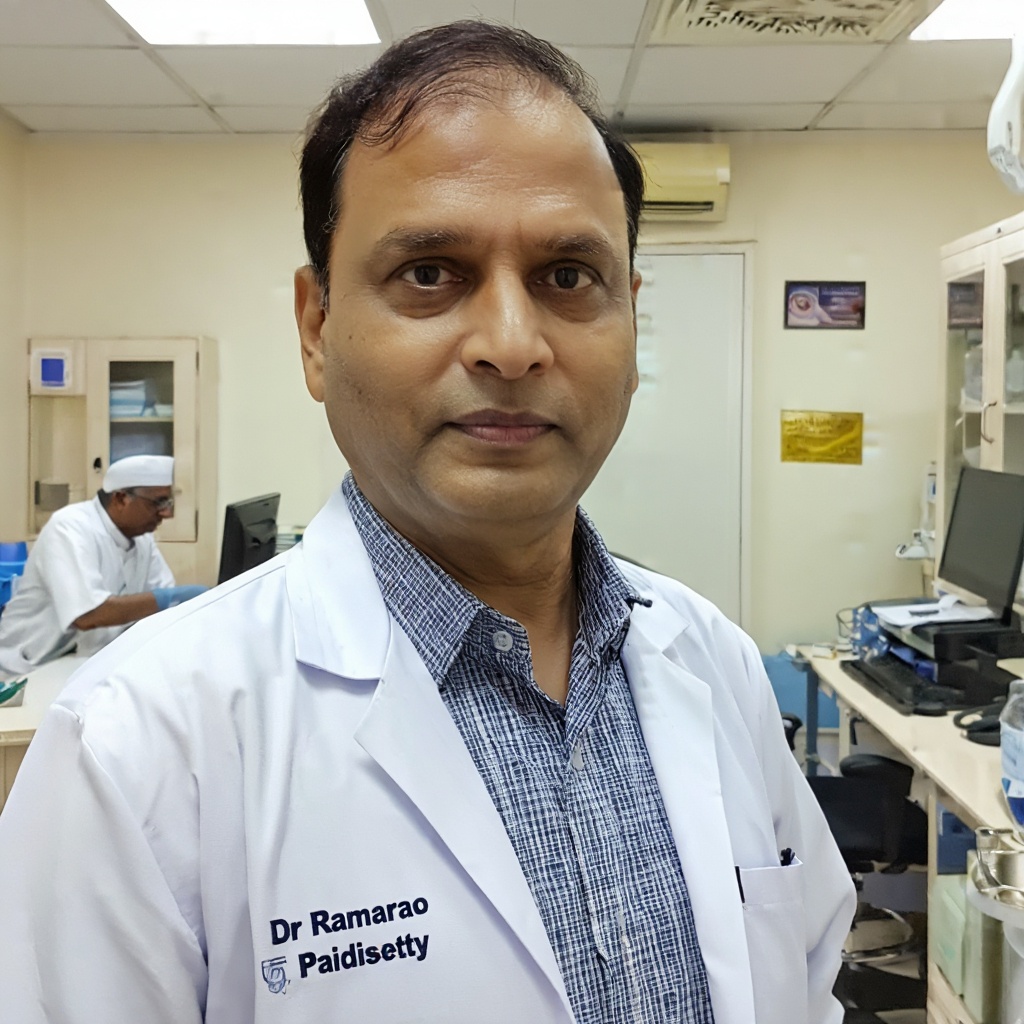
Dr Ramarao Paidisetty
Consultant Biochemist · Reg: 21504
Last updated: November 19, 2026
Overview
This panel is used to support the diagnosis of PCOD/PCOS, rule out other endocrine causes such as thyroid dysfunction and hyperprolactinemia, assess ovarian reserve, evaluate insulin resistance and lipid-related cardiovascular risk, and monitor treatment response. Polycystic Ovarian Syndrome (PCOS) affects 5-10% of women of reproductive age, making it the most common endocrine disorder of women in this age group. It is characterized by amenorrhea, hirsuitism and infertility. It is caused by a complex interaction of abnormalities in gonadotropins, androgens & estrogens. Insulin resistance and hyperinsulinemia contribute significantly to its pathophysiology. _x000D_ Although PCOS is associated with hyperandrogenism & infertility early in life, it is a harbinger of a lifelong condition that can lead to serious sequelae such as Endometrial or Ovarian cancer, Diabetes mellitus & Coronary artery disease. Thus, it is crucial to diagnose PCOS early in its course not only to recognize but also to delay or arrest its metabolic sequelae. Polycystic Ovarian Syndrome (PCOS) affects 5-10% of women of reproductive age, making it the most common endocrine disorder of women in this age group. It is characterized by amenorrhea, hirsuitism and infertility. It is caused by a complex interaction of abnormalities in gonadotropins, androgens & estrogens. Insulin resistance and hyperinsulinemia contribute significantly to its pathophysiology. _x000D_ Although PCOS is associated with hyperandrogenism & infertility early in life, it is a harbinger of a lifelong condition that can lead to serious sequelae such as Endometrial or Ovarian cancer, Diabetes mellitus & Coronary artery disease. Thus, it is crucial to diagnose PCOS early in its course not only to recognize but also to delay or arrest its metabolic sequelae.
- Test Code
- 3537
- ICD Code
- E28.2
- Price
- ₹5,500
- Sample Type
- Plasma and Serum
- Result Time
- Samples received by 4 pm are processed on the same day. Reports are shared digitally once verified.
- Fasting Required
- Yes (10 hours)
- Method
- Hexokinase, CMIA, CLIA, Spectrophotometry
Polycystic Ovarian Disease (PCOD) is a hormonal disorder in women that affects their reproductive system. It is characterized by the presence of multiple cysts in the ovaries, irregular menstrual cycles, and an excess of male hormones. This condition affects around 10% of women of reproductive age and can lead to infertility, weight gain, acne, and hair loss.
Diagnosing PCOD can be difficult as the symptoms can vary from woman to woman. Therefore, a comprehensive panel test is recommended to confirm the diagnosis. The PCOD comprehensive panel test is a blood test that measures the levels of hormones in a woman's body. The test is used to diagnose PCOD and to monitor the effectiveness of treatment.
PCOD Comprehensive Panel Test Cost
The cost of the PCOD comprehensive panel test in India is INR 5500. The cost may vary depending on the location and the diagnostic center. However, it is important to note that the test is usually covered by insurance, so it is advisable to check with your insurance provider before getting the test done.
Symptoms of PCOD
The symptoms of PCOD can vary from woman to woman and can include:
- Irregular menstrual cycles
- Excess hair growth
- Acne
- Weight gain
- Difficulty in losing weight
- Hair loss
It is important to note that not all women with PCOD will have all these symptoms.
Diagnosis of PCOD
Diagnosing PCOD can be challenging as the symptoms can be vague and can vary from woman to woman. Therefore, a comprehensive panel test is recommended to confirm the diagnosis. The PCOD comprehensive panel test measures the levels of hormones in a woman's body, including:
- Luteinizing hormone (LH)
- Follicle-stimulating hormone (FSH)
- Testosterone
- Dehydroepiandrosterone sulfate (DHEAS)
- Sex hormone-binding globulin (SHBG)
- Progesterone
- Estradiol
- Prolactin
- Thyroid-stimulating hormone (TSH)
- Free thyroxine (FT4)
These hormones are important in regulating the menstrual cycle and fertility. The test results will help the doctor to diagnose PCOD and to monitor the effectiveness of treatment.
Conclusion
PCOD is a common hormonal disorder that affects women of reproductive age. The symptoms can vary from woman to woman, and diagnosing PCOD can be challenging. Therefore, a comprehensive panel test is recommended to confirm the diagnosis. The PCOD comprehensive panel test measures the levels of hormones in a woman's body and can help doctors diagnose PCOD and monitor the effectiveness of treatment. The cost of the PCOD comprehensive panel test in India is INR 5500, and it is usually covered by insurance. If you are experiencing any of the symptoms of PCOD, it is important to consult a doctor and get the necessary tests done.
Polycystic Ovarian Syndrome (PCOS) affects 5-10% of women of reproductive age, making it the most common endocrine disorder of women in this age group. It is characterized by amenorrhea, hirsuitism and infertility. It is caused by a complex interaction of abnormalities in gonadotropins, androgens & estrogens. Insulin resistance and hyperinsulinemia contribute significantly to its pathophysiology. Although PCOS is associated with hyperandrogenism & infertility early in life, it is a harbinger of a lifelong condition that can lead to serious sequelae such as Endometrial or Ovarian cancer, Diabetes mellitus & Coronary artery disease. Thus, it is crucial to diagnose PCOS early in its course not only to recognize but also to delay or arrest its metabolic sequelae.
Sample Collection
Overnight fasting is mandatory. The blood sample should be taken 4 hours after waking. Please inform your doctor about all current medicines, especially hormonal pills or supplements.
Method: Venipuncture
Laboratory Analysis
A trained phlebotomist will collect blood from a vein in your arm. The procedure usually takes less than five minutes. You may feel a brief prick.
Report Delivery
You can resume eating and drinking immediately. Apply gentle pressure to the puncture site for one to two minutes. If you feel dizzy, inform the staff.
Timeline: Samples received by 4 pm are processed on the same day. Reports are shared digitally once verified.
Patient Instructions
About This Test
Who Should Get This Test
This panel is used to support the diagnosis of PCOD/PCOS, rule out other endocrine causes such as thyroid dysfunction and hyperprolactinemia, assess ovarian reserve, evaluate insulin resistance and lipid-related cardiovascular risk, and monitor treatment response.
Polycystic Ovarian Syndrome (PCOS) affects 5-10% of women of reproductive age, making it the most common endocrine disorder of women in this age group. It is characterized by amenorrhea, hirsuitism and infertility. It is caused by a complex interaction of abnormalities in gonadotropins, androgens & estrogens. Insulin resistance and hyperinsulinemia contribute significantly to its pathophysiology. _x000D_
Although PCOS is associated with hyperandrogenism & infertility early in life, it is a harbinger of a lifelong condition that can lead to serious sequelae such as Endometrial or Ovarian cancer, Diabetes mellitus & Coronary artery disease. Thus, it is crucial to diagnose PCOS early in its course not only to recognize but also to delay or arrest its metabolic sequelae.
How to Prepare
- Overnight fasting is mandatory
- Sample must be collected 4 hours after waking
- Inform the lab about any hormonal medications or biotin supplements
- Avoid alcohol and strenuous exercise 24 hours before the test
- Carry your previous reports if available
Doctor's Notes
Reviewed by Dr Ramarao Paidisetty — MBBS, MD (Biochemistry) · Reg. No. 21504
"This panel helps detect the hormonal and metabolic changes of PCOD early, allowing timely lifestyle and medical management. Always review the results with your treating clinician."
Last updated: November 19, 2026
Test Parameters & Specifications
Sample Stability
- Haemolysed sample
- Clotted sample
- Sample not collected after overnight fasting
- Sample collected at the wrong time
- Improper labelling or incorrect tube
Understanding Your Results
LH/FSH ratio > 2:1
May be associated with PCOD/PCOS and abnormal GnRH signalling.
Elevated total testosterone or DHEAS
Suggests hyperandrogenism; further adrenal or ovarian evaluation may be required.
Elevated AMH
Supports polycystic ovarian morphology and increased ovarian reserve.
HOMA-IR > 1.9
Suggests insulin resistance, which is frequently seen in PCOD/PCOS.
Abnormal TSH or FT4
Indicates thyroid dysfunction that should be treated before diagnosing PCOS.
If you have irregular cycles, infertility, hirsutism, acne, weight gain, or abnormal reports, consult a gynaecologist or endocrinologist. This test is not a self-diagnostic tool.
Limitations
- ⚠This test does not independently diagnose PCOD; ultrasound and clinical assessment are essential.
- ⚠Reference intervals vary with age, assay, and laboratory.
- ⚠HOMA-IR is an indirect marker; hyperinsulinemic-euglycemic clamp is the gold standard for insulin sensitivity.
- ⚠Hormone values in pregnancy are not interpretable using non-pregnant references.
Risks & Considerations
- ●Bruising or soreness at the puncture site
- ●Dizziness or lightheadedness
- ●Small haematoma
- ●Very low risk of infection
Interfering Factors
- ●Hormonal contraceptives and anti-androgen medications
- ●Pregnancy and breastfeeding
- ●Biotin supplements
- ●Acute stress or infection
- ●Menstrual phase at the time of sampling
- ●Late sample collection after waking
Frequently Asked Questions
What is the PCOD comprehensive panel test cost?
Do I need to fast for the PCOD comprehensive panel test?
Which parameters are included in this panel?
How long will the report take?
Is home sample collection available for this test?
Does insurance cover the PCOD comprehensive panel test?
What is HOMA-IR and why is it included?
Can PCOD be diagnosed only with this blood test?
What sample is required?
What is the difference between PCOD and PCOS?
Are there any special instructions before giving the sample?
Which doctor should I consult if my results are abnormal?
Related Tests
Reference Laboratory Services
We serve as a reference laboratory for hospitals and clinics across India. Send samples from your facility with same-day pickup, priority processing, and results delivered through our online portal. Competitive institutional pricing available.
Your Data Privacy
Your medical data is protected under Indian law.
✓ Stored in India: All patient records are stored on servers located in India. No data is transferred outside the country.
✓ DPDP Act Compliant: Under the Digital Personal Data Protection Act 2023, you can request deletion of your records at any time by contacting support.
Book Your Test
Enter your details and we'll connect you within 15 minutes.