
SCNN1A Gene Pseudohypoaldosteronism, type 1, autosomal recessive NGS Genetic Test
Short Name: SCNN1A PHA1B NGS Test
Also known as: PHA1B, Pseudohypoaldosteronism type 1B
SCNN1A Gene Pseudohypoaldosteronism, type 1, autosomal recessive NGS Genetic Test test available at DNA Labs India for ₹20,000. Uses NGS Technology on Blood or Extracted DNA or One drop Blood on FTA Card samples. Results in 3 to 4 weeks. Free home collection in 300+ cities across India.

🩺 Medically Reviewed By
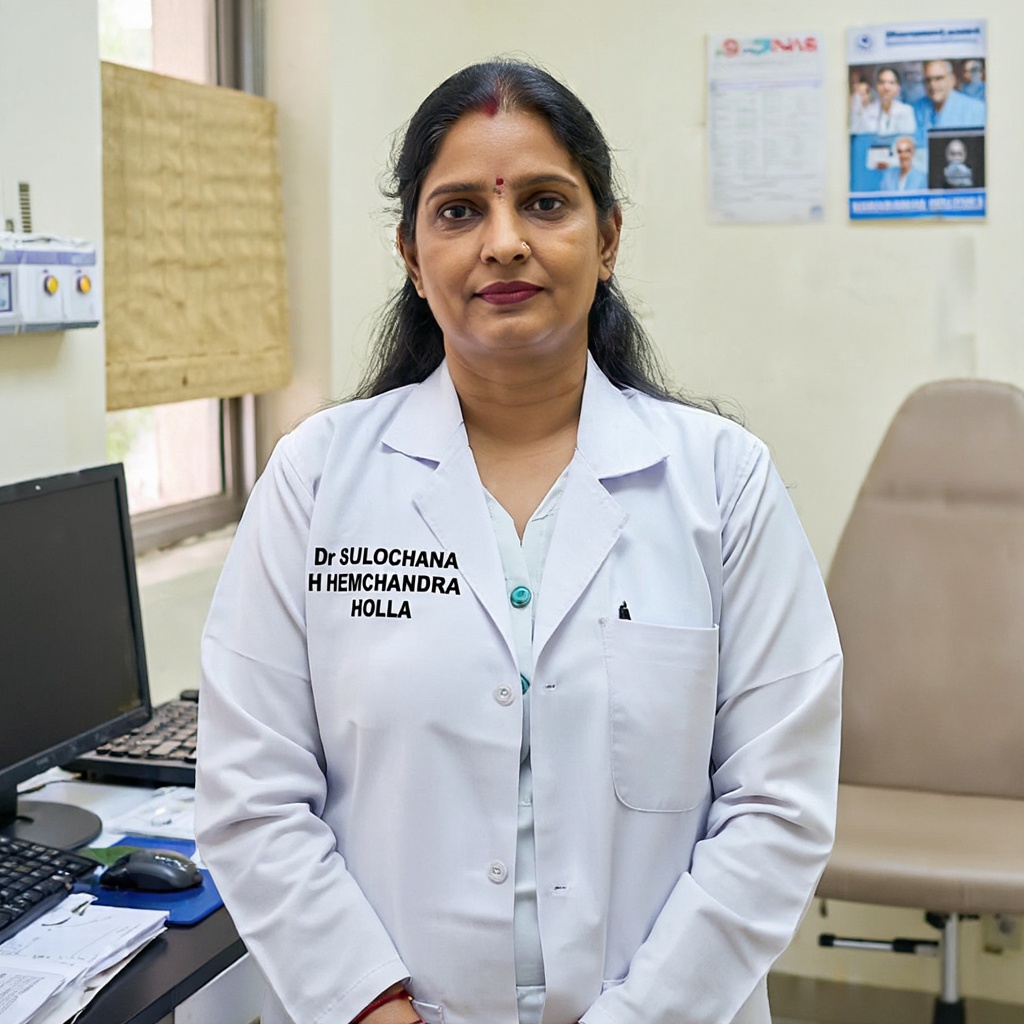
Dr SULOCHANA HEMCHANDRA HOLLA
Consultant Medical Geneticist · Reg: 8532
Last updated: September 7, 2026
Overview
To identify mutations in the SCNN1A gene for diagnosis of Pseudohypoaldosteronism type 1, autosomal recessive (PHA1B). NGS genetic DNA test detecets for variant and mutation detection in SCNN1A gene for Pseudohypoaldosteronism, type 1, autosomal recessive
- Test Code
- 5495
- Price
- ₹20,000
- Sample Type
- Blood or Extracted DNA or One drop Blood on FTA Card
- Result Time
- 3 to 4 weeks
- Fasting Required
- No
- Method
- NGS Technology
SCNN1A gene Pseudohypoaldosteronism, type 1, autosomal recessive (PHA1B) is a rare genetic disorder characterized by renal salt wasting and dehydration. It is caused by mutations in the SCNN1A gene that encodes for a subunit of the epithelial sodium channel (ENaC). This disorder is inherited in an autosomal recessive manner, meaning an affected individual has two copies of the mutated gene – one from each parent.
Symptoms of SCNN1A Gene Pseudohypoaldosteronism, type 1, autosomal recessive
PHAI1B is diagnosed in infancy or early childhood, typically within the first few months of life. Symptoms may include:
- Frequent episodes of dehydration
- Inability to retain salt
- Failure to thrive
- Low blood pressure
- High potassium levels
- Metabolic acidosis
- Electrolyte imbalances
Diagnosis of SCNN1A Gene Pseudohypoaldosteronism, type 1, autosomal recessive
A genetic test is required to diagnose PHAI1B. The test involves sequencing the SCNN1A gene to identify any mutations that may be present. The test can be performed using Next-Generation Sequencing (NGS) technology, which is a high-throughput method of sequencing that can analyze multiple genes simultaneously. NGS testing is faster and more cost-effective than traditional Sanger sequencing methods.
NGS Genetic DNA Test cost and process
The cost of an NGS genetic DNA test for PHAI1B at DNA Labs India is INR 20,000. The test can be ordered online from the DNA Labs India website. The process involves:
- Ordering the test online
- Collecting a DNA sample – this can be done using a cheek swab or a blood sample
- Sending the sample to the DNA Labs India laboratory for analysis
- Receiving the test results within 2-3 weeks
Conclusion
SCNN1A Gene Pseudohypoaldosteronism, type 1, autosomal recessive is a rare genetic disorder that can have serious health consequences if left untreated. Early diagnosis is essential for effective management of the condition. NGS genetic DNA testing is a fast and cost-effective way to diagnose PHAI1B and can be ordered online from DNA Labs India.
If you suspect that you or your child may have PHAI1B, talk to your doctor about genetic testing. Early diagnosis and treatment can improve outcomes and quality of life for individuals with this condition.
What is SCNN1A Gene Pseudohypoaldosteronism, type 1, autosomal recessive?
SCNN1A gene Pseudohypoaldosteronism, type 1, autosomal recessive is a rare genetic disorder that affects the ability of the kidneys to retain salt, leading to frequent episodes of dehydration and other health complications. It is caused by mutations in the SCNN1A gene, which encodes for a subunit of the epithelial sodium channel (ENaC). This disorder is inherited in an autosomal recessive manner, meaning that both parents must carry a copy of the mutated gene for a child to be affected.
What are the symptoms of SCNN1A Gene Pseudohypoaldosteronism, type 1, autosomal recessive?
PHAI1B is typically diagnosed in infancy or early childhood, and symptoms may include frequent episodes of dehydration, inability to retain salt, failure to thrive, low blood pressure, high potassium levels, metabolic acidosis, and electrolyte imbalances.
How is SCNN1A Gene Pseudohypoaldosteronism, type 1, autosomal recessive diagnosed?
A genetic test is required to diagnose PHAI1B. Next-Generation Sequencing (NGS) technology is used to sequence the SCNN1A gene and identify any mutations that may be present. NGS testing is faster and more cost-effective than traditional Sanger sequencing methods.
What is the cost and process of NGS Genetic DNA Test for SCNN1A Gene Pseudohypoaldosteronism, type 1, autosomal recessive?
The cost of an NGS genetic DNA test for PHAI1B at DNA Labs India is INR 20,000. The test can be ordered online from the DNA Labs India website, and the process involves collecting a DNA sample (cheek swab or blood sample) and sending it to the laboratory for analysis. The test results are usually available within 2-3 weeks.
Why is early diagnosis important for SCNN1A Gene Pseudohypoaldosteronism, type 1, autosomal recessive?
Early diagnosis is essential for effective management of PHAI1B. If left untreated, the disorder can lead to serious health complications and even death. Genetic testing can identify individuals who are at risk for the disorder, allowing for early intervention and improved outcomes.
Conclusion
SCNN1A Gene Pseudohypoaldosteronism, type 1, autosomal recessive is a rare genetic disorder that can have serious health consequences if left untreated. Early diagnosis through NGS genetic DNA testing is essential for effective management of the condition. At DNA Labs India, individuals can order the test online and receive results within 2-3 weeks. If you suspect that you or your child may have PHAI1B, talk to your doctor about genetic testing.
Before getting tested ask for Raw Data, FASTQ, and VCF files along with clinical test report from DNA Testing Lab. DNA Labs India is the Only lab that is transparent and will share Raw Data, FASTQ, and VCF files along with the conclusive clinical report for SCNN1A Gene Pseudohypoaldosteronism, type 1, autosomal recessive NGS Genetic DNA Test
Sample Collection
Clinical history and genetic counseling recommended
Method: Cheek swab or blood sample
Laboratory Analysis
Sample collection via cheek swab or blood draw
Report Delivery
Sample sent to lab for analysis
Timeline: 3 to 4 weeks
Patient Instructions
About This Test
Who Should Get This Test
To identify mutations in the SCNN1A gene for diagnosis of Pseudohypoaldosteronism type 1, autosomal recessive (PHA1B).
NGS genetic DNA test detecets for variant and mutation detection in SCNN1A gene for Pseudohypoaldosteronism, type 1, autosomal recessive
How to Prepare
- Use sterile swab for cheek sample
- For blood, use EDTA tube
Doctor's Notes
Reviewed by Dr SULOCHANA HEMCHANDRA HOLLA — MBBS, MD (Medical Genetics) · Reg. No. 8532
"Genetic testing for SCNN1A mutations is essential for confirming diagnosis and guiding treatment in suspected cases of PHA1B."
Last updated: September 7, 2026
Test Parameters & Specifications
Understanding Your Results
If symptoms of PHA1B are present or family history of the disorder.
Limitations
- ⚠May not detect all types of mutations
- ⚠Requires genetic counseling for interpretation
Risks & Considerations
- ●Minimal risk from sample collection
- ●Psychological impact of genetic results
Frequently Asked Questions
What is SCNN1A Gene Pseudohypoaldosteronism, type 1, autosomal recessive?
What are the symptoms of PHA1B?
How is PHA1B diagnosed?
What is the cost of the NGS Genetic Test at DNA Labs India?
How do I order the test?
What samples are required for the test?
How long does it take to get results?
Is home sample collection available?
What is NGS technology?
Why is genetic testing important for PHA1B?
Can the test be done for children?
What should I do after receiving the test results?
Related Tests
Growth Disorder Panel Test
₹11,000CYP21A2 Gene Adrenal hyperplasia due to 21-hydroxylase deficiency NGS Genetic Test
₹20,000NKX2-2 Gene Maturity-onset diabetes of the young, NKX2-2 related NGS Genetic Test
₹20,000HSD17B3 Gene Pseudohermaphroditism with gynecomastia NGS Genetic Test
₹20,000CYP27B1 Gene Rickets, vitamin D dependent, type 1 NGS Genetic Test
₹20,000TBCE Gene Hypoparathyroidism-retardation-dysmorphism syndrome NGS Genetic Test
₹20,000Reference Laboratory Services
We serve as a reference laboratory for hospitals and clinics across India. Send samples from your facility with same-day pickup, priority processing, and results delivered through our online portal. Competitive institutional pricing available.
Your Data Privacy
Your medical data is protected under Indian law.
✓ Stored in India: All patient records are stored on servers located in India. No data is transferred outside the country.
✓ DPDP Act Compliant: Under the Digital Personal Data Protection Act 2023, you can request deletion of your records at any time by contacting support.
Book Your Test
Enter your details and we'll connect you within 15 minutes.