
STT3A Gene Congenital disorder of glycosylation, type Iw NGS Genetic Test
Short Name: STT3A CDG Type Iw NGS Test
Also known as: CDG Type Iw, STT3A-CDG, Congenital Glycosylation Disorder Type Iw
STT3A Gene Congenital disorder of glycosylation, type Iw NGS Genetic Test test available at DNA Labs India for ₹20,000. Uses Next-Generation Sequencing (NGS) on Blood or Extracted DNA or One drop Blood on FTA Card samples. Results in 3-4 weeks. Free home collection in 300+ cities across India.

🩺 Medically Reviewed By
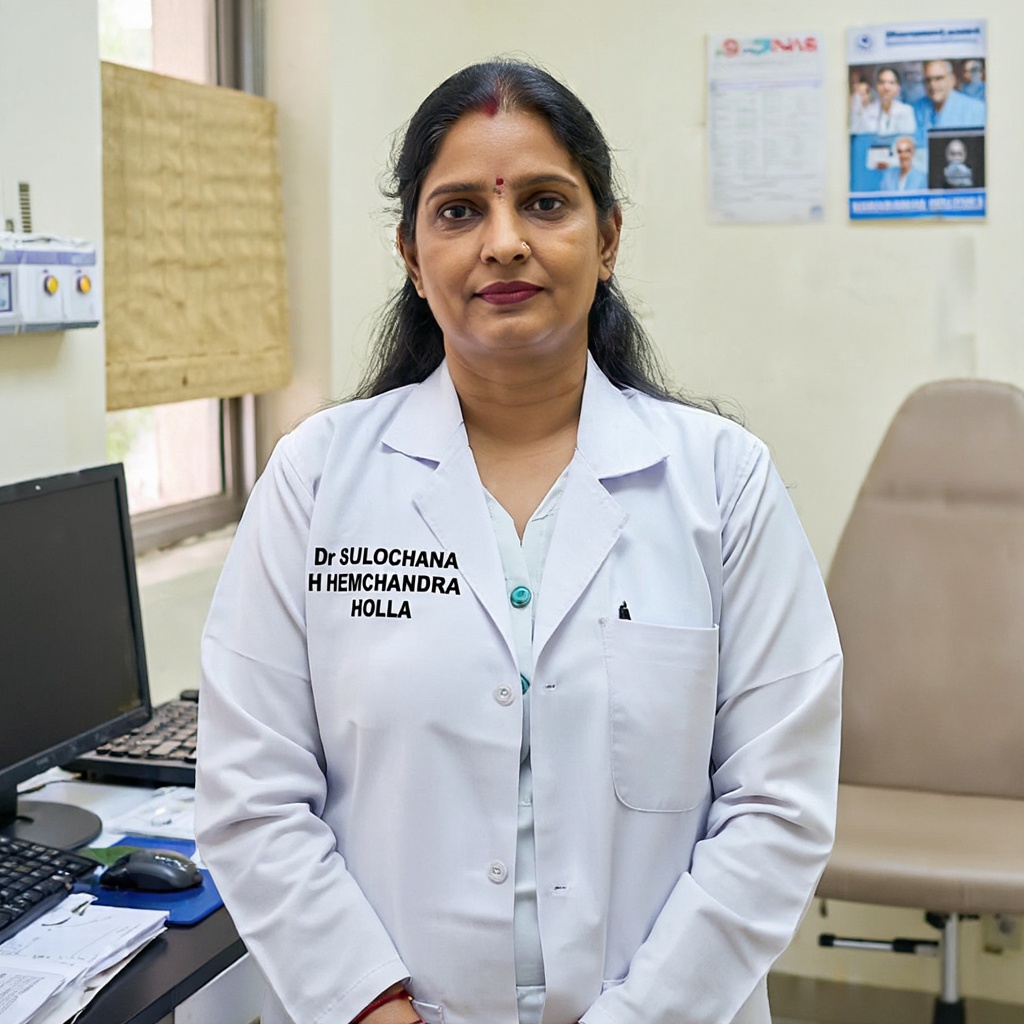
Dr SULOCHANA HEMCHANDRA HOLLA
Consultant Medical Geneticist · Reg: 8532
Last updated: September 7, 2026
Overview
The purpose of the STT3A Gene CDG Type Iw NGS Genetic Test is to confirm a diagnosis of Congenital Disorder of Glycosylation Type Iw by detecting pathogenic variants in the STT3A gene. This helps in understanding the genetic basis of symptoms, guiding treatment plans, and providing information for family planning and genetic counseling. NGS genetic DNA test detecets for variant and mutation detection in STT3A gene for Congenital disorder of glycosylation, type Iw
- Test Code
- 1952
- Price
- ₹20,000
- Sample Type
- Blood or Extracted DNA or One drop Blood on FTA Card
- Result Time
- 3-4 weeks
- Fasting Required
- No
- Method
- Next-Generation Sequencing (NGS)
STT3A gene Congenital Disorder of Glycosylation (CDG) is a rare genetic disorder that affects the body's ability to produce glycoproteins. Glycoproteins are proteins that have sugar molecules attached to them, which are essential for their proper function in the body. CDG can cause a wide range of symptoms, including developmental delays, intellectual disability, seizures, and liver problems.
Symptoms
The symptoms of CDG can vary widely depending on the specific type of CDG and the severity of the condition. Some common symptoms of CDG include:
- Developmental delays
- Intellectual disability
- Seizures
- Liver problems
- Abnormal blood clotting
- Failure to thrive
- Abnormal facial features
- Abnormal muscle tone
Diagnosis
Diagnosing CDG can be challenging because the symptoms can be similar to other conditions. A doctor may suspect CDG if a child has developmental delays, intellectual disability, or other symptoms that suggest a problem with glycoprotein production. To confirm a diagnosis of CDG, a doctor may order genetic testing.
The most common type of genetic testing used to diagnose CDG is next-generation sequencing (NGS). NGS is a type of DNA test that can analyze multiple genes at once. It is a powerful tool for identifying genetic mutations that can cause CDG. NGS can be expensive, and the cost of a CDG NGS genetic DNA test in India is typically around INR 20000.
Treatment
There is no cure for CDG, and treatment is focused on managing symptoms. Treatment may include physical therapy, occupational therapy, speech therapy, and medications to manage seizures or other symptoms.
Conclusion
STT3A gene Congenital Disorder of Glycosylation (CDG) is a rare genetic disorder that can cause a wide range of symptoms, including developmental delays, intellectual disability, seizures, and liver problems. Diagnosing CDG can be challenging, but genetic testing, such as NGS, can help confirm a diagnosis. Treatment is focused on managing symptoms, and there is currently no cure for CDG.
If you suspect that your child may have CDG, it is important to speak with a doctor. Early diagnosis and treatment can help improve outcomes for children with CDG.
For more information on genetic testing and CDG, contact DNA Labs India.
Sample Collection
No special preparation required. Ensure genetic counseling session is scheduled for family history assessment.
Method: Venipuncture
Laboratory Analysis
A blood sample will be drawn from a vein in the arm, or a finger prick for FTA card collection.
Report Delivery
Apply pressure to the puncture site to prevent bleeding. Resume normal activities unless otherwise advised.
Timeline: 3-4 weeks
Patient Instructions
About This Test
Who Should Get This Test
The purpose of the STT3A Gene CDG Type Iw NGS Genetic Test is to confirm a diagnosis of Congenital Disorder of Glycosylation Type Iw by detecting pathogenic variants in the STT3A gene. This helps in understanding the genetic basis of symptoms, guiding treatment plans, and providing information for family planning and genetic counseling.
NGS genetic DNA test detecets for variant and mutation detection in STT3A gene for Congenital disorder of glycosylation, type Iw
How to Prepare
- Schedule appointment for sample collection
- Provide clinical history and family pedigree chart
- For blood sample, avoid excessive physical activity before collection
- Ensure proper labeling of samples
Doctor's Notes
Reviewed by Dr SULOCHANA HEMCHANDRA HOLLA — MBBS, MD (Medical Genetics) · Reg. No. 8532
"This test is vital for early diagnosis of rare metabolic disorders in children, enabling timely management and family counseling."
Last updated: September 7, 2026
Test Parameters & Specifications
Sample Stability
- Sample hemolyzed or clotted
- Insufficient volume
- Improperly labeled or stored samples
Understanding Your Results
No pathogenic variants detected
Negative result; does not completely rule out CDG but suggests low genetic risk
Pathogenic variant detected
Positive result confirming diagnosis of CDG Type Iw; implications for management and family counseling
Variant of uncertain significance
Further testing or family studies may be needed for clarification
Consult a doctor or genetic specialist if the test is positive, if symptoms persist, or for guidance on management and family planning.
Limitations
- ⚠May not detect all possible genetic variants or mutations
- ⚠Cannot predict disease severity or progression accurately
- ⚠Results require interpretation by a qualified geneticist
Risks & Considerations
- ●Minor bruising at puncture site
- ●Rare risk of infection
- ●Emotional impact of genetic results
Interfering Factors
- ●Poor sample quality or contamination
- ●Insufficient DNA quantity
- ●Previous blood transfusions affecting DNA integrity
Compare With Similar Tests
| Test | STT3A Gene Congenital disorder of glycosylation, type Iw NGS Genetic Test | PMM2 Gene CDG Type Ia NGS Test | Metabolic Disorder Gene Panel |
|---|---|---|---|
| Comparison | STT3A Gene Congenital disorder of glycosylation, type Iw NGS Genetic Test | Focuses on a different gene for CDG Type Ia; similar cost and technology | Broader panel including multiple genes for various metabolic disorders |
Frequently Asked Questions
What is the STT3A Gene CDG Type Iw NGS Genetic Test?
Who should consider this test?
How is the test performed?
What is the cost of the test?
Is fasting required before the test?
How long does it take to get results?
What do the results mean?
Is the test covered by insurance?
What are the risks of the test?
Can this test be done at home?
What treatments are available if the test is positive?
How accurate is the NGS genetic test?
Related Tests
Reference Laboratory Services
We serve as a reference laboratory for hospitals and clinics across India. Send samples from your facility with same-day pickup, priority processing, and results delivered through our online portal. Competitive institutional pricing available.
Your Data Privacy
Your medical data is protected under Indian law.
✓ Stored in India: All patient records are stored on servers located in India. No data is transferred outside the country.
✓ DPDP Act Compliant: Under the Digital Personal Data Protection Act 2023, you can request deletion of your records at any time by contacting support.
Book Your Test
Enter your details and we'll connect you within 15 minutes.