
VSX1 Gene Corneal Dystrophy, Posterior Polymorphous, Type 1 NGS Genetic Test
Short Name: VSX1 PPCD1 NGS Genetic Test
Also known as: PPCD1, Posterior Polymorphous Corneal Dystrophy Type 1
VSX1 Gene Corneal Dystrophy, Posterior Polymorphous, Type 1 NGS Genetic Test test available at DNA Labs India for ₹20,000. Uses NGS Technology on Blood, Extracted DNA, or One drop Blood on FTA Card samples. Results in 3-4 weeks. Free home collection in 300+ cities across India.

🩺 Medically Reviewed By
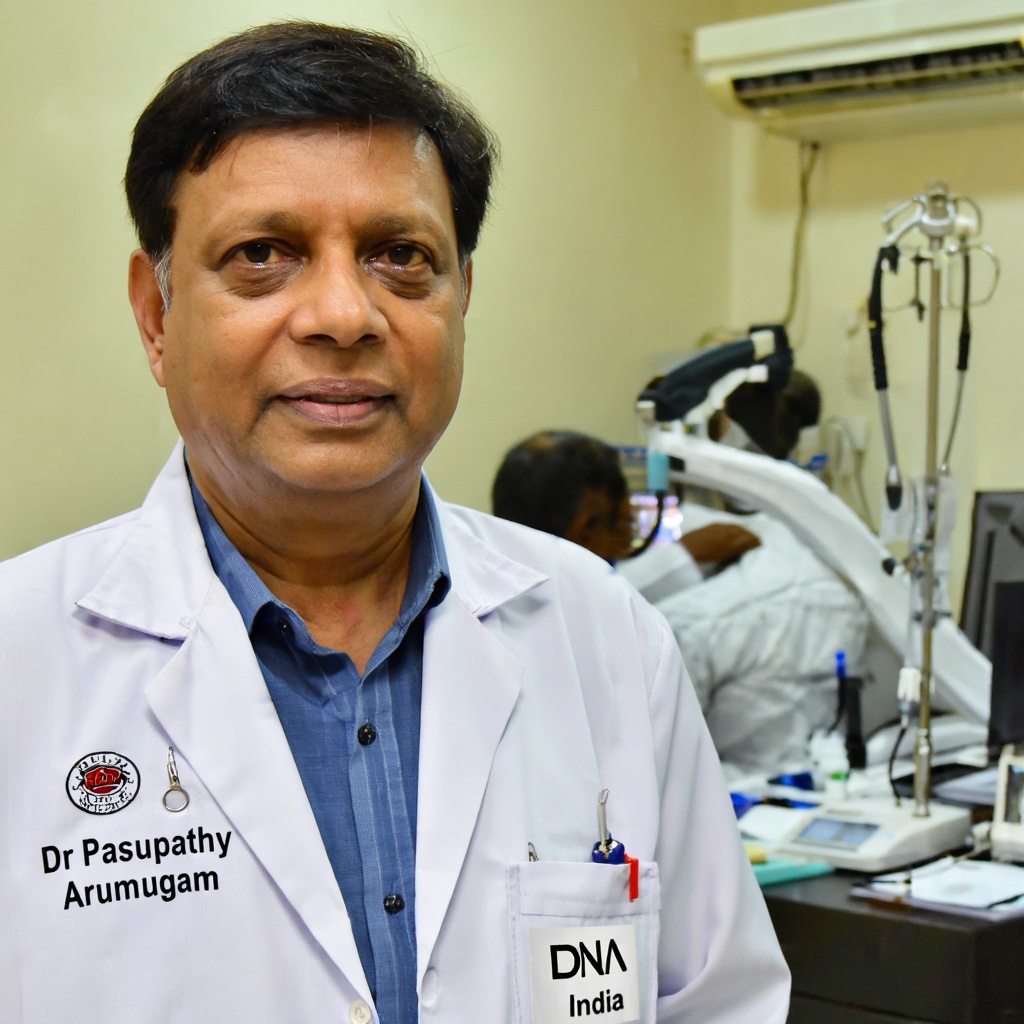
Dr Pasupathy Arumugam
Consultant Pathologist · Reg: 21521
Last updated: September 7, 2026
Overview
To identify mutations in the VSX1 gene associated with posterior polymorphous corneal dystrophy type 1 (PPCD1), enabling accurate diagnosis, family screening, and personalized management. NGS genetic DNA test detecets for variant and mutation detection in VSX1 gene for Corneal dystrophy, posterior polymorphous, type 1
- Test Code
- 1478
- Price
- ₹20,000
- Sample Type
- Blood, Extracted DNA, or One drop Blood on FTA Card
- Result Time
- 3-4 weeks
- Fasting Required
- No
- Method
- NGS Technology
Corneal dystrophies are a group of inherited eye disorders that affect the cornea, the clear front part of the eye. One of the rarest types of corneal dystrophy is posterior polymorphous corneal dystrophy, type 1 (PPCD1). This type of corneal dystrophy is caused by mutations in the VSX1 gene, which provides instructions for making a protein that is important for the development and maintenance of the cornea.
Symptoms of PPCD1
The symptoms of PPCD1 can vary, but they often include:
- Blurred vision
- Light sensitivity
- Halos around lights
- Cloudy or hazy vision
- Eye pain or discomfort
These symptoms can be mild or severe, and they may become worse over time. In some cases, people with PPCD1 may not experience any symptoms at all.
Diagnosis of PPCD1
PPCD1 is a rare condition, and it can be difficult to diagnose. In many cases, it is diagnosed during a routine eye exam when a doctor notices unusual changes in the cornea. To confirm a diagnosis of PPCD1, a doctor may perform additional tests, such as:
- Corneal topography: This test measures the shape of the cornea and can help identify abnormalities.
- Corneal pachymetry: This test measures the thickness of the cornea.
- Genetic testing: This test can identify mutations in the VSX1 gene that are associated with PPCD1.
NGS Genetic DNA Test for PPCD1
NGS (Next Generation Sequencing) Genetic DNA testing is a powerful tool for identifying genetic mutations associated with PPCD1. This test can sequence the entire VSX1 gene and identify any mutations that may be causing the condition. The cost of an NGS Genetic DNA test for PPCD1 in India is approximately INR 20,000.
NGS Genetic DNA testing is a non-invasive procedure that involves taking a small sample of blood or saliva. The sample is then sent to a laboratory for analysis. Results are typically available within a few weeks.
Conclusion
PPCD1 is a rare type of corneal dystrophy that is caused by mutations in the VSX1 gene. Symptoms can vary, but they often include blurred vision, light sensitivity, halos around lights, cloudy or hazy vision, and eye pain or discomfort. Diagnosis can be difficult, but corneal topography, corneal pachymetry, and genetic testing can help confirm a diagnosis. NGS Genetic DNA testing is a powerful tool for identifying genetic mutations associated with PPCD1, and it is available in India at a cost of approximately INR 20,000.
If you are experiencing any of the symptoms of PPCD1, or if you have a family history of the condition, it is important to speak with an eye doctor. They can perform the necessary tests to diagnose the condition and recommend appropriate treatment options.
For more information on corneal dystrophies and genetic testing, visit DNA Labs India.
Before getting tested ask for Raw Data, FASTQ, and VCF files along with clinical test report from DNA Testing Lab. DNA Labs India is the Only lab that is transparent and will share Raw Data, FASTQ, and VCF files along with the conclusive clinical report for VSX1 Gene Corneal dystrophy, posterior polymorphous, type 1 NGS Genetic DNA Test
Sample Collection
Provide clinical history and undergo genetic counseling to draw a pedigree chart of affected family members.
Method: Venipuncture or Saliva Collection
Laboratory Analysis
Sample collected via blood draw or saliva; minimal discomfort expected.
Report Delivery
Sample is labeled and sent to the laboratory for analysis; monitor for any site reactions.
Timeline: 3-4 weeks
Patient Instructions
About This Test
Who Should Get This Test
To identify mutations in the VSX1 gene associated with posterior polymorphous corneal dystrophy type 1 (PPCD1), enabling accurate diagnosis, family screening, and personalized management.
NGS genetic DNA test detecets for variant and mutation detection in VSX1 gene for Corneal dystrophy, posterior polymorphous, type 1
How to Prepare
- Ensure proper sample labeling
- Follow aseptic techniques
- Store samples at ambient room temperature
Doctor's Notes
Reviewed by Dr Pasupathy Arumugam — MBBS, MD (Pathology) · Reg. No. 21521
"Genetic testing for VSX1 mutations confirms PPCD1 diagnosis and helps in management of corneal dystrophies."
Last updated: September 7, 2026
Test Parameters & Specifications
Sample Stability
- Hemolyzed or clotted samples
- Insufficient sample volume
- Contaminated samples
Understanding Your Results
Confirms diagnosis of PPCD1; recommend family screening and ophthalmologist follow-up.
PPCD1 is unlikely based on genetic testing; consider other causes and clinical evaluation.
If you experience symptoms like blurred vision, halos, or eye pain, or have a family history of corneal dystrophy, consult an ophthalmologist for evaluation.
Limitations
- ⚠May not detect all genetic variants
- ⚠Requires genetic counseling for interpretation
- ⚠Results should be correlated with clinical findings
Risks & Considerations
- ●Minor bruising or discomfort at sample site
- ●Infection risk (very low)
- ●Psychological impact of genetic results
Interfering Factors
- ●Sample contamination
- ●Degraded DNA quality
- ●Incorrect sample collection
Compare With Similar Tests
| Test | VSX1 Gene Corneal Dystrophy, Posterior Polymorphous, Type 1 NGS Genetic Test | Corneal Topography | Corneal Pachymetry | Other Corneal Dystrophy Genetic Tests | Comprehensive Eye Examination |
|---|---|---|---|---|---|
| Comparison | VSX1 Gene Corneal Dystrophy, Posterior Polymorphous, Type 1 NGS Genetic Test | Measures corneal shape; not genetic. | Measures corneal thickness; non-genetic. | Tests for different genes; use NGS for VSX1. | General assessment; not specific for PPCD1. |
Frequently Asked Questions
What is posterior polymorphous corneal dystrophy type 1 (PPCD1)?
What are the common symptoms of PPCD1?
How is PPCD1 diagnosed?
What is the VSX1 gene?
What is NGS genetic testing?
What is the cost of the VSX1 gene NGS test in India?
How is the sample collected for this test?
How long does it take to get results?
Is the genetic test painful?
Who should consider getting tested for PPCD1?
Is genetic counseling required before the test?
Are there any risks associated with this genetic test?
Related Tests
Leber's Hereditary Optic Neuropathy (LHON) Mitochondrial Mutation Detection Test
₹25,000Nx Gen Sequencing: Cataract Test
₹28,665Nx Gen Sequencing: Glaucoma Test
₹28,665Nx Gen Sequencing: Corneal Dystrophy Test
₹28,665Nx Gen Sequencing: Leber Congenital Amaurosis Test
₹28,665Nx Gen Sequencing: Ophthalmoplegia Test
₹28,665Reference Laboratory Services
We serve as a reference laboratory for hospitals and clinics across India. Send samples from your facility with same-day pickup, priority processing, and results delivered through our online portal. Competitive institutional pricing available.
Your Data Privacy
Your medical data is protected under Indian law.
✓ Stored in India: All patient records are stored on servers located in India. No data is transferred outside the country.
✓ DPDP Act Compliant: Under the Digital Personal Data Protection Act 2023, you can request deletion of your records at any time by contacting support.
Book Your Test
Enter your details and we'll connect you within 15 minutes.