
(1 3)-Beta-D-Glucan (BDG) Test
Short Name: BDG Test
Also known as: BDG Test, Beta-D-Glucan Test, Fungal Infection Test
(1 3)-Beta-D-Glucan (BDG) Test test available at DNA Labs India for ₹13,000. Uses Spectrophotometry on Serum, BAL fluid, or CSF samples. Results in 1 week. Free home collection in 300+ cities across India.

🩺 Medically Reviewed By
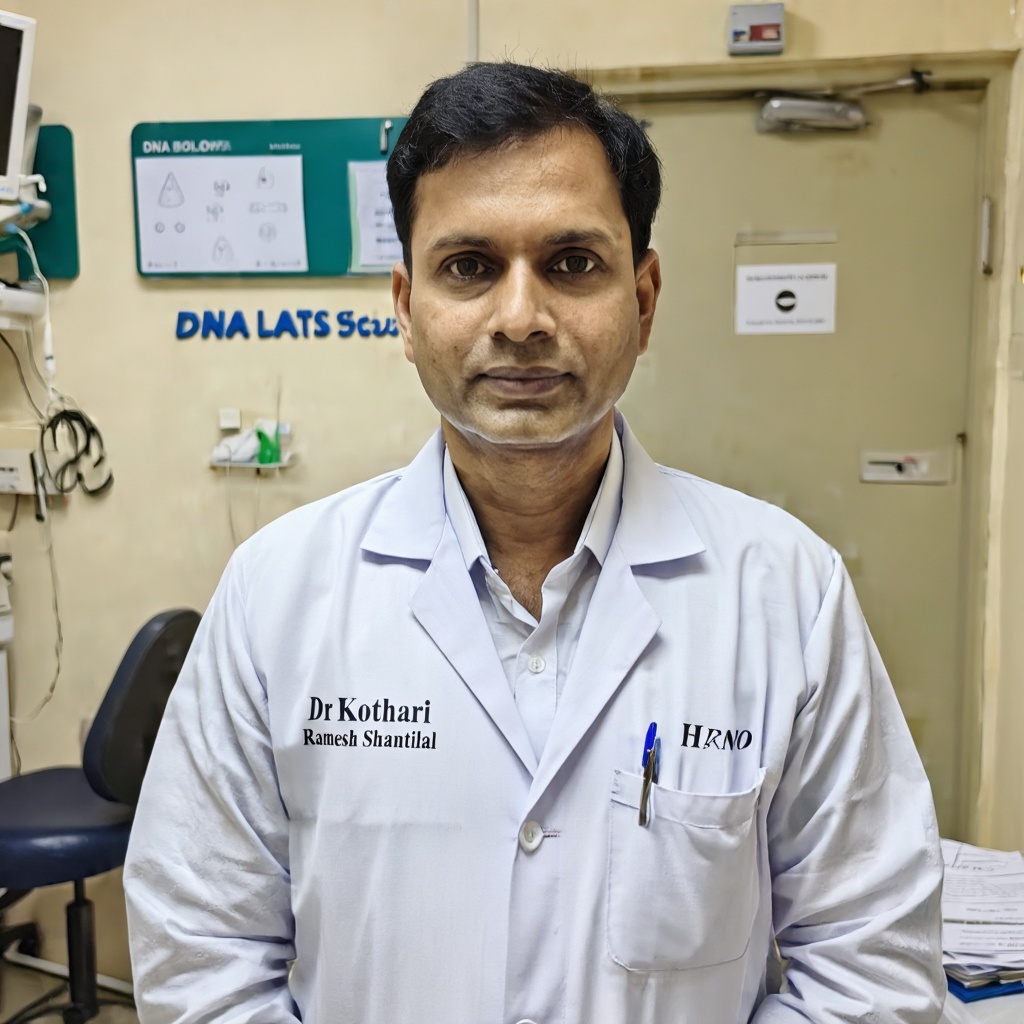
Dr Kothari Ramesh Shantilal
Consultant Microbiologist · Reg: 27670
Last updated: September 7, 2026
Overview
To diagnose and monitor fungal infections by measuring Beta-D-Glucan levels in blood or other body fluids, aiding in early detection and treatment assessment. This assay is used for the quantitative detection of (1-3)-?ý-D-Glucan (BDG) in serum samples which signifies the presence of invasive fungal infection. It has got both diagnostic and prognostic application.
- Test Code
- 13
- Price
- ₹13,000
- Sample Type
- Serum, BAL fluid, or CSF
- Result Time
- 1 week
- Fasting Required
- No
- Method
- Spectrophotometry
DNA Labs India is a leading diagnostic laboratory in India that offers a range of tests to detect and diagnose various diseases and conditions. One such test is the (1 3)-beta-D-glucan (BDG) test, which is used to identify the presence of fungal infections in the body. In this blog, we will discuss the cost, symptoms, and diagnosis of the (1 3)-beta-D-glucan (BDG) test.
What is (1 3)-beta-D-glucan (BDG)?
(1 3)-beta-D-glucan (BDG) is a polysaccharide molecule that is found in the cell walls of many fungi. When the immune system detects the presence of BDG, it triggers an immune response that helps to fight off the infection. The (1 3)-beta-D-glucan (BDG) test is a blood test that measures the levels of BDG in the bloodstream.
What are the symptoms of fungal infections?
The symptoms of fungal infections can vary depending on the type of infection and the part of the body that is affected. Some common symptoms of fungal infections include:
- Fever
- Cough
- Shortness of breath
- Chest pain
- Skin rash
- Redness, swelling, and pain in the affected area
- Headache
- Nausea and vomiting
- Abdominal pain
How is the (1 3)-beta-D-glucan (BDG) test performed?
The (1 3)-beta-D-glucan (BDG) test is a blood test that is performed by taking a sample of blood from the patient's vein. The test is performed in a laboratory, and the results are usually available within a few days.
What is the cost of the (1 3)-beta-D-glucan (BDG) test?
The cost of the (1 3)-beta-D-glucan (BDG) test at DNA Labs India is INR 13000. The cost may vary depending on the location and other factors.
Who should undergo the (1 3)-beta-D-glucan (BDG) test?
The (1 3)-beta-D-glucan (BDG) test is recommended for individuals who are suspected of having a fungal infection. It is also used to monitor the effectiveness of treatment for fungal infections. The test may be ordered by a physician if the patient has symptoms of a fungal infection, such as those listed above.
Conclusion
The (1 3)-beta-D-glucan (BDG) test is a valuable tool for the diagnosis and monitoring of fungal infections. The test is simple, non-invasive, and relatively inexpensive. If you are experiencing symptoms of a fungal infection, it is important to seek medical attention and discuss the possibility of undergoing the (1 3)-beta-D-glucan (BDG) test with your physician.
Sample Collection
No fasting required. Inform your physician about any medications, especially antibiotics or immunoglobulins, and any allergies.
Method: Venipuncture for serum; Lumbar puncture for CSF; Bronchoalveolar lavage for BAL
Laboratory Analysis
For serum: blood is drawn from a vein in the arm. For CSF: collected via lumbar puncture. For BAL: obtained during bronchoscopy. These procedures are performed by healthcare professionals.
Report Delivery
Apply pressure to the puncture site to prevent bruising. Resume normal activities unless advised otherwise. Mild discomfort may occur.
Timeline: 1 week
Patient Instructions
About This Test
Who Should Get This Test
To diagnose and monitor fungal infections by measuring Beta-D-Glucan levels in blood or other body fluids, aiding in early detection and treatment assessment.
This assay is used for the quantitative detection of (1-3)-?ý-D-Glucan (BDG) in serum samples which signifies the presence of invasive fungal infection. It has got both diagnostic and prognostic application.
How to Prepare
- Use a red top tube without additives for serum, preferably glucan-free
- For BAL and CSF, use sterile screw-capped containers
- Label samples correctly with patient information
- Ship serum refrigerated or frozen as per stability guidelines
- Ensure proper handling to avoid contamination
Doctor's Notes
Reviewed by Dr Kothari Ramesh Shantilal — MBBS, MD (Microbiology) · Reg. No. 27670
"The BDG test is vital for early detection of invasive fungal infections, particularly in immunocompromised patients, aiding in timely treatment and improved outcomes."
Last updated: September 7, 2026
Test Parameters & Specifications
Sample Stability
- Sample in incorrect or non-sterile container
- Hemolyzed, lipemic, or contaminated sample
- Insufficient sample volume
- Improper labeling or storage conditions
Understanding Your Results
Negative for fungal infection
Action: Consider other causes of symptoms; correlate with clinical findings
Range: <60 pg/mL
Positive for fungal infection
Action: Consult an infectious disease specialist for confirmation and initiation of antifungal therapy
Range: ≥60 pg/mL
Consult a doctor if the test is positive, if symptoms persist despite a negative test, or if you are at high risk for fungal infections (e.g., immunocompromised).
Limitations
- ⚠Cannot identify the specific fungal species causing the infection
- ⚠False positives possible with certain medications or conditions
- ⚠Not effective for all types of fungal infections (e.g., mucormycosis)
- ⚠Results should be correlated with clinical symptoms and other tests
- ⚠Reference ranges may vary between laboratories
Risks & Considerations
- ●Bruising or hematoma at the puncture site
- ●Rare risk of infection at the collection site
- ●Dizziness or lightheadedness during blood draw
- ●Specific risks for CSF or BAL collections as per procedure
Interfering Factors
- ●Use of certain antibiotics like piperacillin-tazobactam or amoxicillin-clavulanate
- ●Hemolyzed, lipemic, or icteric samples
- ●Presence of other glucans from sources like cellulose filters or intravenous solutions
- ●Recent use of intravenous immunoglobulin or albumin
- ●Sample contamination during collection or processing
Frequently Asked Questions
What is the (1 3)-Beta-D-Glucan (BDG) test?
Why is the BDG test performed?
How much does the BDG test cost at DNA Labs India?
Is home sample collection available for the BDG test?
What are the common symptoms of fungal infections?
How long does it take to get results for the BDG test?
What sample types are used for the BDG test?
Can the BDG test identify the specific type of fungus?
Who should undergo the BDG test?
Is the BDG test covered by insurance?
What is the normal range for BDG levels?
Are there any risks associated with the BDG test?
Related Tests
Reference Laboratory Services
We serve as a reference laboratory for hospitals and clinics across India. Send samples from your facility with same-day pickup, priority processing, and results delivered through our online portal. Competitive institutional pricing available.
Your Data Privacy
Your medical data is protected under Indian law.
✓ Stored in India: All patient records are stored on servers located in India. No data is transferred outside the country.
✓ DPDP Act Compliant: Under the Digital Personal Data Protection Act 2023, you can request deletion of your records at any time by contacting support.
Book Your Test
Enter your details and we'll connect you within 15 minutes.