
PTCHD1 Gene Autism Susceptibility, X-Linked Type 4 NGS Genetic Test
Short Name: PTCHD1 NGS Genetic Test
Also known as: PTCHD1 Gene Sequencing, X-Linked Autism Type 4 Genetic Test, PTCHD1 Autism Susceptibility NGS
PTCHD1 Gene Autism Susceptibility, X-Linked Type 4 NGS Genetic Test test available at DNA Labs India for ₹20,000. Uses Next-Generation Sequencing (NGS) on Blood or Extracted DNA or One drop Blood on FTA Card samples. Results in 3 to 4 weeks from the date of sample receipt.. Free home collection in 300+ cities across India.

🩺 Medically Reviewed By
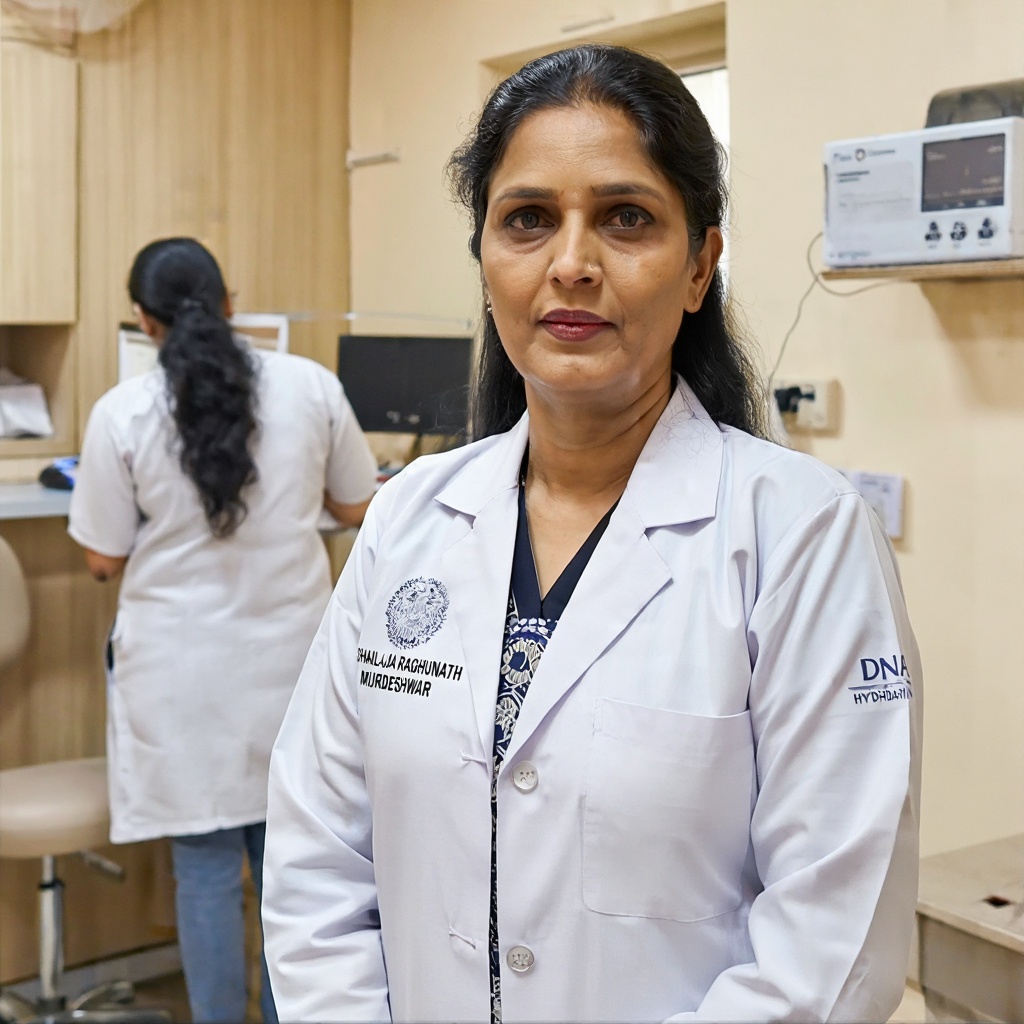
Dr SHAILAJA RAGHUNATH MURDESHWAR
Consultant Physician · Reg: 8052
Last updated: September 7, 2026
Overview
The purpose of this NGS-based genetic test is to detect pathogenic mutations in the PTCHD1 gene associated with autism susceptibility, X-linked type 4. It helps in confirming the genetic diagnosis, enabling carrier detection, genetic counseling, and recurrence risk estimation for families. NGS genetic DNA test detecets for variant and mutation detection in PTCHD1 gene for Autism susceptibility, X-linked type 4
- Test Code
- 3914
- Price
- ₹20,000
- Sample Type
- Blood or Extracted DNA or One drop Blood on FTA Card
- Result Time
- 3 to 4 weeks from the date of sample receipt.
- Fasting Required
- No
- Method
- Next-Generation Sequencing (NGS)
Autism is a neurodevelopmental disorder that affects communication and social interaction. There are many factors that contribute to autism, including genetics. One gene that has been linked to autism is PTCHD1. This gene is located on the X chromosome and is involved in the development of the brain.
PTCHD1 is a tumor suppressor gene that regulates the activity of other genes. It is involved in the development of neurons and the formation of synapses, which are the connections between neurons. Mutations in this gene have been linked to autism spectrum disorder.
Diagnosis
Autism can be diagnosed through a variety of methods, including behavioral assessments, cognitive tests, and genetic testing. Genetic testing can be used to identify mutations in genes that are associated with autism, including PTCHD1.
The most common genetic test for autism is a next-generation sequencing (NGS) test. This test analyzes the DNA sequence of the PTCHD1 gene to identify mutations that may be associated with autism.
Symptoms
The symptoms of autism vary from person to person, but common symptoms include:
- Difficulty with social interaction
- Delayed language development
- Repetitive behaviors or interests
- Sensory sensitivities
PTCHD1 Gene Autism Susceptibility
Research has shown that mutations in the PTCHD1 gene are associated with autism susceptibility. PTCHD1 is involved in the development of neurons and the formation of synapses, which are crucial for normal brain function.
Studies have shown that mutations in the PTCHD1 gene can lead to abnormal synaptic function and communication between neurons. This can lead to the development of autism spectrum disorder.
X-linked Type 4 NGS Genetic DNA Test Cost INR:20000
The cost of an NGS genetic DNA test for PTCHD1 gene autism susceptibility varies depending on the provider. DNA Labs India offers an NGS genetic DNA test for X-linked type 4 autism for a cost of INR 20,000.
This test analyzes the DNA sequence of the PTCHD1 gene to identify mutations that may be associated with autism. The test is non-invasive and requires only a saliva or blood sample.
Conclusion
Genetic testing can be a valuable tool in the diagnosis and treatment of autism. PTCHD1 is a gene that has been linked to autism susceptibility, and an NGS genetic DNA test can identify mutations in this gene.
If you are concerned about autism or have a family history of autism, consider speaking with a healthcare professional about genetic testing options.
Before getting tested ask for Raw Data, FASTQ, and VCF files along with clinical test report from DNA Testing Lab. DNA Labs India is the Only lab that is transparent and will share Raw Data, FASTQ, and VCF files along with the conclusive clinical report for PTCHD1 Gene Autism susceptibility, X-linked type 4 NGS Genetic DNA Test
Sample Collection
No special preparation such as fasting is required. A referral from a neurologist or clinical geneticist and a filled clinical history form are advised. Genetic counseling is recommended before testing.
Method: Venipuncture / FTA card spot
Laboratory Analysis
Peripheral blood sample is collected in an EDTA tube by venipuncture, or a few drops of blood are collected on an FTA card. For extracted DNA, the sample should be submitted along with required documentation.
Report Delivery
No restrictions. The sample should be transported to the laboratory at ambient temperature if using FTA card or refrigerated if using blood.
Timeline: 3 to 4 weeks from the date of sample receipt.
Patient Instructions
About This Test
Who Should Get This Test
The purpose of this NGS-based genetic test is to detect pathogenic mutations in the PTCHD1 gene associated with autism susceptibility, X-linked type 4. It helps in confirming the genetic diagnosis, enabling carrier detection, genetic counseling, and recurrence risk estimation for families.
NGS genetic DNA test detecets for variant and mutation detection in PTCHD1 gene for Autism susceptibility, X-linked type 4
How to Prepare
- Fill the test requisition form with patient details and clinical history.
- Collect blood sample aseptically in a lavender top (EDTA) tube.
- If using FTA card, apply one drop of blood and allow to air dry for 30 minutes.
- Label the sample tube/card with patient name, ID, and date.
- Ensure the sample is transported in a sealed zip-lock bag with an ice pack for blood.
Doctor's Notes
Reviewed by Dr SHAILAJA RAGHUNATH MURDESHWAR — MBBS, MD (General Medicine) · Reg. No. 8052
"Genetic evaluation plays a key role in diagnosing inherited forms of autism, enabling earlier support and family counselling."
Last updated: September 7, 2026
Test Parameters & Specifications
Sample Stability
- Samples received in heparin or clot activator tubes
- Hemolyzed samples
- Unlabeled or mislabeled samples
- Insufficient quantity
- Clotted samples in EDTA tube
Understanding Your Results
Pathogenic or Likely Pathogenic
Variant of Uncertain Significance (VUS)
Benign or Likely Benign
Negative Result
If the test result shows a pathogenic or likely pathogenic PTCHD1 variant, consult a clinical geneticist or neurologist for personalized management and family genetic counseling. Also consult if you have concerns about autism symptoms in yourself or your child.
Limitations
- ⚠This test only analyzes the PTCHD1 gene; other genetic causes of autism are not evaluated.
- ⚠Some detected variants may be of uncertain clinical significance.
- ⚠Non-coding deep intronic variants and large genomic rearrangements may not be detected by this NGS test.
- ⚠A negative result does not exclude a genetic or non-genetic cause of autism.
Risks & Considerations
- ●Minimal pain or bruising at the needle site
- ●Possible rare infection or bleeding
Interfering Factors
- ●Low DNA quality
- ●Insufficient sample quantity
- ●Presence of homologous pseudogene sequences
- ●Maternal cell contamination in blood samples
Frequently Asked Questions
What is the PTCHD1 gene?
How is autism related to PTCHD1 mutations?
What is the cost of the PTCHD1 NGS genetic test at DNA Labs India?
What sample is required for the test?
Is fasting required before the test?
How long will it take to get the results?
Will I receive raw data and VCF files?
Who should consider this genetic test?
Does this test detect all genetic causes of autism?
What is the significance of an X-linked inheritance pattern?
Is genetic counseling necessary before testing?
Can home sample collection be arranged?
Related Tests
Reference Laboratory Services
We serve as a reference laboratory for hospitals and clinics across India. Send samples from your facility with same-day pickup, priority processing, and results delivered through our online portal. Competitive institutional pricing available.
Your Data Privacy
Your medical data is protected under Indian law.
✓ Stored in India: All patient records are stored on servers located in India. No data is transferred outside the country.
✓ DPDP Act Compliant: Under the Digital Personal Data Protection Act 2023, you can request deletion of your records at any time by contacting support.
Book Your Test
Enter your details and we'll connect you within 15 minutes.