

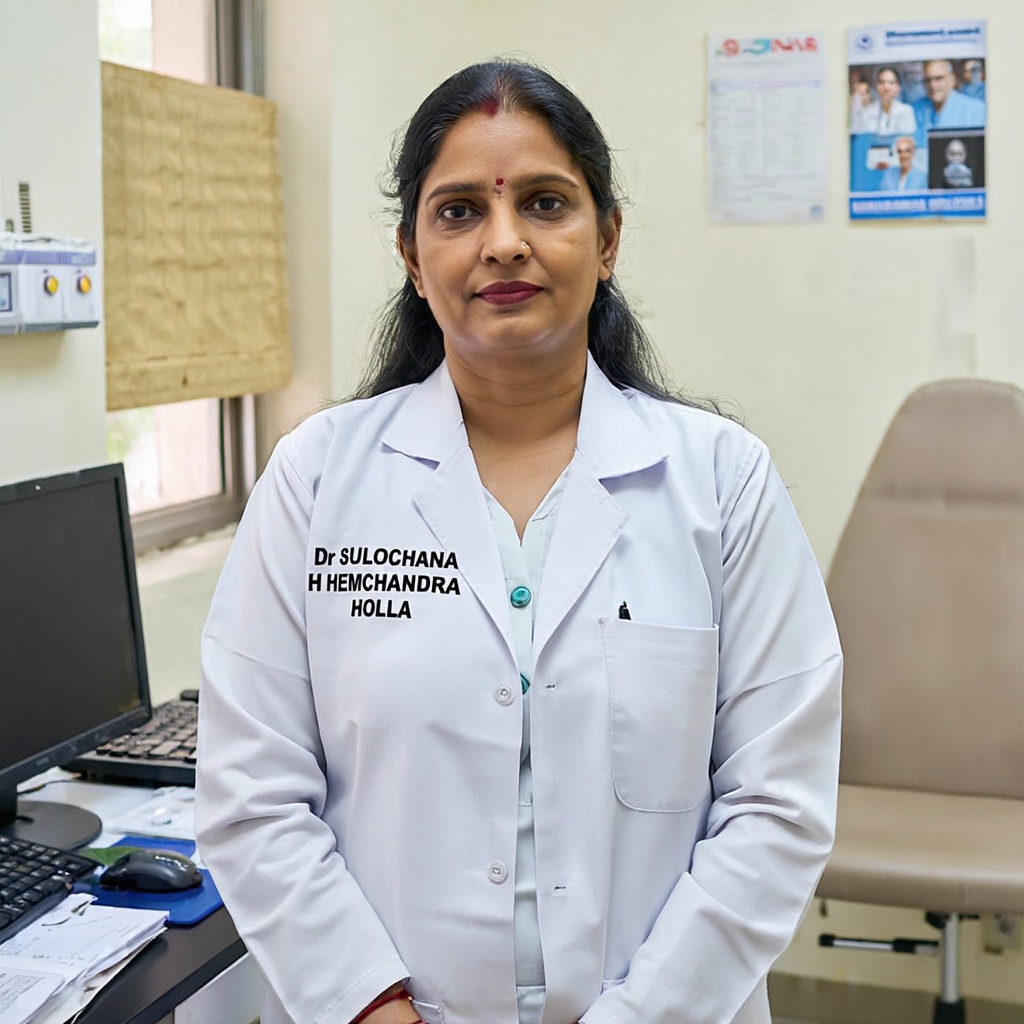

Cancer DNA Testing: Genetic Screening for Hereditary Cancer Risk
At a Glance
- Sample Required: Blood (EDTA) or saliva sample
- Fasting Rules: No fasting required
- Turnaround Time (TAT): 10–15 business days
- Base Cost: [Insert Current 2026 Price]
Cancer DNA testing, also known as hereditary cancer genetic testing, analyzes specific genes to identify inherited mutations that increase the risk of developing certain cancers. This testing is crucial for individuals with a strong family history of cancer, enabling proactive surveillance and preventive measures.
What Is Cancer DNA Testing?
Cancer DNA testing examines your DNA for mutations in genes associated with hereditary cancer syndromes. The most well-known are BRCA1 and BRCA2, linked to breast and ovarian cancer, but panels now include dozens of genes like MLH1, MSH2, PALB2, and TP53.
Unlike traditional single-gene tests, modern approaches use Next-Generation Sequencing (NGS) to analyze multiple genes simultaneously, offering a comprehensive risk profile. Whole Exome Sequencing (WES) may be recommended when a broader analysis is needed.
Types of Genetic Tests
DNA Labs India offers several testing options depending on clinical context:
| Test Type | Genes Analyzed | Best For |
|---|---|---|
| Targeted Mutation Analysis | BRCA1/BRCA2 only | Known familial mutations |
| Hereditary Cancer Panel (NGS) | 30–80 genes (e.g., BRCA, MLH1, MSH2, PALB2, TP53) | Comprehensive risk assessment |
| Whole Exome Sequencing (WES) | All protein-coding genes | Undiagnosed hereditary syndromes |
Who Should Consider Genetic Testing?
Genetic testing is recommended if you have:
- A personal or family history of cancer at an early age (e.g., breast cancer before 50)
- Multiple family members with the same type of cancer
- Known genetic mutation in a family member
- Ashkenazi Jewish ancestry (higher risk of BRCA mutations)
- Triple-negative breast cancer diagnosed before age 60
If you meet any of these criteria, consult a genetic counselor or oncologist to determine if testing is appropriate.
How the Test Works
- Sample Collection: A simple blood draw or saliva sample is collected at a DNA Labs India collection center.
- DNA Extraction and Sequencing: DNA is extracted from the sample and analyzed using NGS technology to detect mutations.
- Variant Interpretation: Geneticists interpret the results, classifying variants as pathogenic, benign, or of uncertain significance.
Results are typically available within 10–15 business days and are accompanied by a detailed report and genetic counseling session.
Interpreting Results
Your report will indicate whether a pathogenic mutation was found. A positive result means you have an increased risk for certain cancers, but it does not mean you will definitely develop cancer. Preventive measures such as enhanced screening, prophylactic surgery, or chemoprevention may be discussed with your healthcare provider.
A negative result does not eliminate cancer risk entirely, as not all hereditary causes are known. Variants of uncertain significance (VUS) are also possible; these require further research and family studies.
Benefits and Limitations
Benefits
- Early detection and prevention strategies
- Informed family planning decisions
- Personalized treatment options for existing cancer
Limitations
- Psychological impact of knowing your risk
- Not all genetic causes are known
- Potential for variants of uncertain significance
About DNA Labs India
DNA Labs India is an ISO 9001 certified lab with a commitment to accuracy and patient care. We offer:
- State-of-the-art NGS technology
- Expert genetic counseling
- Confidential and secure results
- Pan-India sample collection
Our team of medical geneticists ensures that every test is interpreted with the highest clinical standards.
Frequently Asked Questions (FAQs)
1. How long does the test take?
Turnaround time is typically 10–15 business days from sample receipt.
2. Is fasting required?
No, fasting is not required for cancer DNA testing.
3. What sample is needed?
A blood sample (EDTA) or saliva sample is sufficient.
4. Will insurance cover the cost?
Coverage varies; please check with your insurance provider. We offer transparent pricing and payment plans.
5. Can I get tested without a doctor's referral?
Yes, but we strongly recommend genetic counseling before and after testing to understand implications.
Conclusion
Cancer DNA testing is a powerful tool for personalized risk assessment. By identifying genetic predispositions, you can take proactive steps to manage your health. DNA Labs India is here to guide you through the process with precision and care.
Written by: Dr. Ananya Sharma, PhD, Medical Geneticist
Medically Reviewed by: Dr. Rajesh Kumar, MD, Medical Geneticist
Last Updated: March 2026