


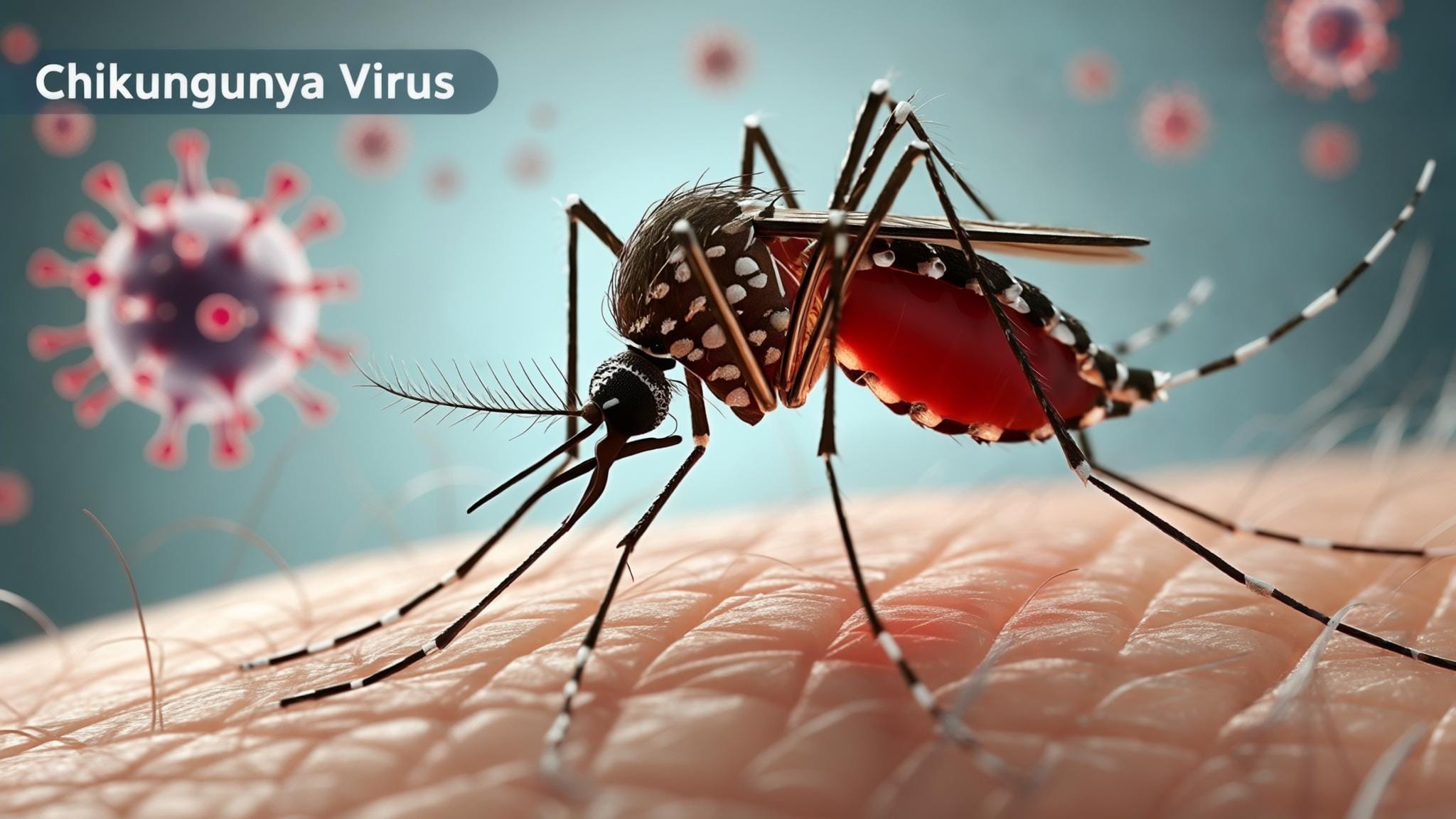
Chikungunya Testing at DNA Labs India
- Sample Required: Blood (serum or plasma)
- Fasting Rules: None required
- Turnaround Time (TAT): 24–48 hours
- Base Cost: [Insert Current 2026 Price]
Chikungunya: A Rapidly Spreading Mosquito-Borne Viral Disease
Chikungunya is a viral illness transmitted by Aedes aegypti and Aedes albopictus mosquitoes. The name originates from the Makonde language, meaning "to become contorted," reflecting the severe joint pain and stooped posture often seen in patients. The disease is characterized by sudden high fever and intense arthralgia, which can persist for months or even years.
2025 Global Threat: WHO Estimates and Epicenters
The World Health Organization (WHO) estimates that 5.6 billion people across 119 countries are at risk of chikungunya infection. The current outbreak has hit several regions hard:
- Epicenters: La Réunion, Mayotte, Mauritius – up to one-third of the local population affected.
- Spread: Africa (Kenya, Somalia), Asia (India, Pakistan, Sri Lanka), Europe (France, Italy), and the Americas.
- Imported cases: Reported in the United States, signaling global exposure risk.
Why Is the 2025 Outbreak Different?
Several factors have converged to make this outbreak particularly severe:
- Climate change: Expands mosquito habitats and prolongs breeding seasons.
- Urbanization: High-density populations create transmission hotspots.
- Low immunity: Many populations have no prior exposure, increasing vulnerability.
- Global travel: Rapid international movement spreads the virus across borders.
Chikungunya Symptoms: Acute and Chronic Phases
Symptoms typically appear 1–14 days after a mosquito bite. The disease progresses through two phases:
| Phase | Symptoms | Duration |
|---|---|---|
| Acute Phase | High fever (≥38.5°C), severe joint pain (wrists, hands, ankles, knees), fatigue, headache, muscle pain, maculopapular rash (chest, limbs, face), nausea/vomiting | 1–14 days |
| Chronic Phase | Persistent joint pain or swelling, fatigue, mood changes, rare complications (myocarditis, neurologic issues in infants/elderly) | Weeks to years |
Prevention Strategies for 2025
Personal Protection
- Use EPA-approved repellents (DEET, picaridin, IR3535)
- Wear long-sleeved shirts, pants, and socks
- Use mosquito nets or stay in air-conditioned rooms
Home & Community Action
- Eliminate standing water (gutters, containers, plant trays)
- Install screens on windows and doors
- Participate in localized insecticide spraying during outbreaks
Travel Advice
- Check latest WHO or national outbreak alerts
- Pack and use mosquito protection gear if traveling to risk zones
Chikungunya Vaccine Update (2025)
A single-dose, live-attenuated chikungunya vaccine approved in 2023 offers up to 87% efficacy. However:
- Supply is limited, prioritized for high-risk areas
- Safety in elderly is under evaluation due to mild side effects
- Wider availability expected soon – until then, prevention is critical
Chikungunya Testing: When and How to Get Diagnosed
If you experience high fever, joint pain, or other chikungunya symptoms—especially after recent travel to an outbreak-prone area—consult a healthcare provider immediately. PCR-based diagnostic tests can confirm the presence of the chikungunya virus early in infection.
Diagnostic test available: You can easily book a Chikungunya PCR Test online through DNA Labs India if you're experiencing symptoms.
FAQ: Fast Answers About Chikungunya (2025)
1. What is Chikungunya?
A viral illness spread by mosquito bites, causing fever and severe joint pain.
2. Main symptoms?
High fever, joint pain, fatigue, rash, muscle aches, nausea. Is there a vaccine in 2025? Yes – 87% effective, though limited in supply.
3. How is it spread?
By infected Aedes mosquitoes, not through person-to-person contact.
4. Who is most at risk?
Infants, elderly, pregnant women, immunocompromised individuals.
5. Is Chikungunya fatal?
Rarely fatal, but can cause serious complications in high-risk individuals.
6. How can I reduce my risk?
Use repellents, remove standing water, wear protective clothing, and stay alert.
Final Takeaway: Protect Yourself and Your Community
The 2025 Chikungunya outbreak is a fast-growing global health concern. Recognizing early symptoms, applying strong mosquito bite prevention, and staying updated on vaccine rollout are essential to protect yourself and those around you. Act now to reduce your risk and help stop the spread.