


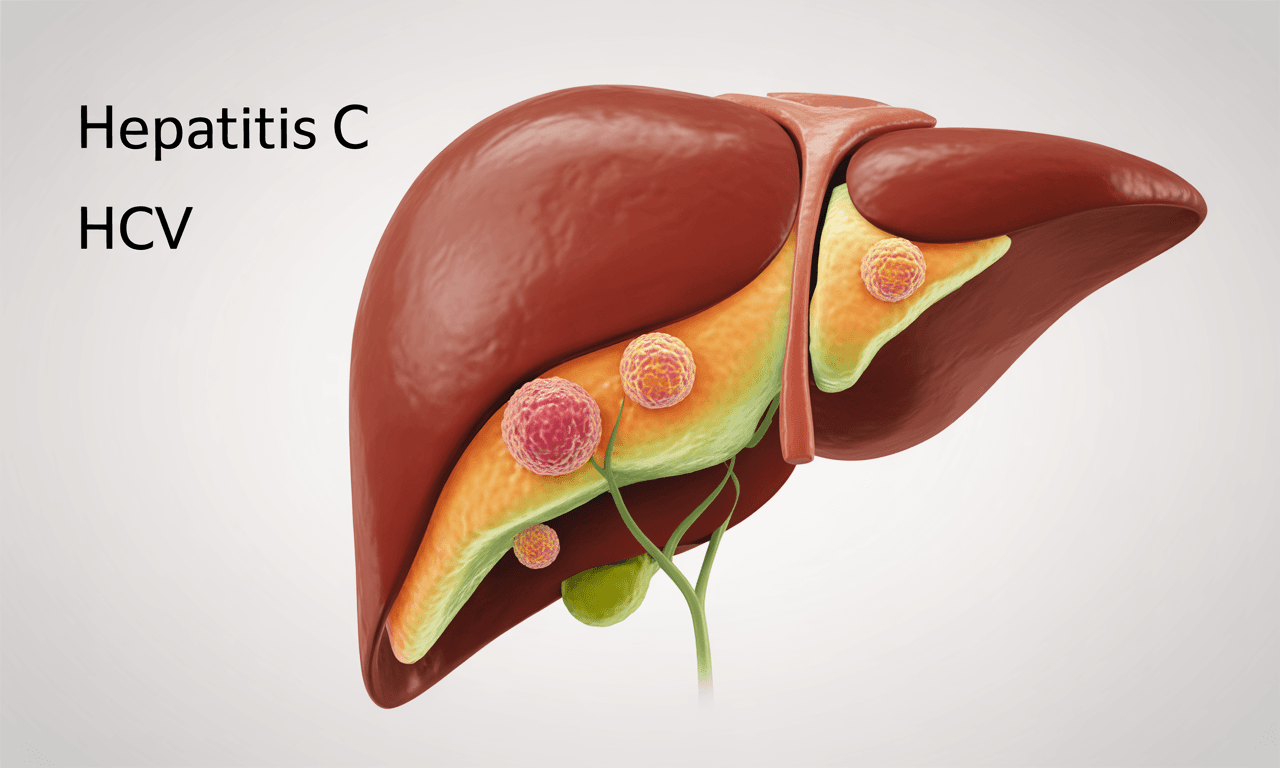
Hepatitis C: Causes, Symptoms, Testing, Prevention, and Treatment
At a Glance
- Sample Required: Blood (serum or plasma)
- Fasting Rules: No fasting required
- Turnaround Time (TAT): 24–48 hours
- Base Cost: [Insert Current 2026 Price]
- Lab Certification: ISO 9001 certified lab
What is Hepatitis C?
Hepatitis C is a liver infection caused by the Hepatitis C virus (HCV). Unlike Hepatitis A and Hepatitis B, Hepatitis C is known for progressing to chronic liver disease in a large number of cases. If left untreated, it can lead to cirrhosis, liver failure, or liver cancer. The infection is often silent for years before symptoms appear, which makes early detection essential.
Transmission Vectors and Incubation
HCV is a bloodborne virus, and transmission primarily occurs through direct blood-to-blood contact. Common ways it spreads include:
- Sharing needles or syringes (injection drug use)
- Unsafe medical or dental procedures
- Blood transfusions (before routine screening began in the 1990s)
- Accidental needle-stick injuries in healthcare settings
- From an infected mother to her baby (rare)
- Sharing razors or toothbrushes that may carry infected blood
Hepatitis C is not transmitted through food, water, casual contact, kissing, or breastfeeding.
The incubation period for HCV ranges from 2 weeks to 6 months after exposure. Most people do not experience symptoms during the acute phase, which contributes to silent progression.
Clinical Presentation and Symptom Timeline
Hepatitis C can present in two forms:
- Acute Hepatitis C: Short-term illness occurring within 6 months of exposure. Most people are asymptomatic.
- Chronic Hepatitis C: Long-term infection that can cause serious liver damage over time.
When symptoms do appear, they may include:
- Fatigue and weakness
- Loss of appetite
- Nausea and vomiting
- Muscle and joint pain
- Abdominal discomfort
- Jaundice (yellowing of skin and eyes)
- Dark urine and pale stools
| Phase | Timeline | Symptoms |
|---|---|---|
| Acute | 0–6 months post-exposure | Often asymptomatic; if present: fatigue, nausea, jaundice |
| Chronic | >6 months | May be silent for decades; progressive fatigue, abdominal swelling, confusion (late) |
Diagnosis and Molecular Testing
Early detection of HCV is critical to prevent complications. DNA Labs India offers a comprehensive panel of tests using advanced molecular diagnostics (RT-PCR) for accurate detection and monitoring.
| Test | Purpose | Method |
|---|---|---|
| Anti-HCV Antibody Test | Screening for past or present exposure | Serology (ELISA) |
| HCV RNA (Qualitative PCR) Test | Confirms active infection | RT-PCR (molecular) |
| HCV Viral Load (Quantitative PCR) Test | Measures viral load for treatment monitoring | Real-time PCR |
| Genotype Testing | Identifies HCV strain to guide therapy | Sequencing or PCR-based genotyping |
Prevention Strategies
There is currently no vaccine for Hepatitis C, but prevention is highly effective with proper precautions:
- Avoid sharing needles or personal items that may carry blood
- Use only sterilized equipment in medical, dental, or tattoo settings
- Practice safe sex, especially if at risk or HIV-positive
- Ensure blood products are screened
- Follow universal precautions in healthcare environments
Public awareness and safe practices are the best defense against HCV transmission.
Treatment and Prognosis
The treatment landscape for Hepatitis C has improved dramatically in recent years:
- Direct-Acting Antivirals (DAAs): Oral medications that can cure Hepatitis C in 8–12 weeks with over 95% success rate
- Regular follow-up and viral load testing are essential during and after treatment
- Patients with advanced liver damage may need lifelong liver monitoring
- Lifestyle changes like avoiding alcohol and maintaining a liver-healthy diet support recovery
With timely diagnosis and proper treatment, Hepatitis C is now a curable disease for most individuals.
Importance of Screening and Awareness
Due to the silent nature of the infection, many people live with Hepatitis C for years without knowing. Screening is recommended for:
- Adults aged 18–79 (at least once in their lifetime)
- People with a history of injection drug use
- Individuals who received blood transfusions before 1992
- Healthcare workers exposed to blood
- People living with HIV
Increasing awareness, improving access to testing, and expanding treatment availability are critical to eliminate Hepatitis C as a public health threat.
Conclusion
Hepatitis C is a serious but curable viral liver infection. Early testing, safe practices, and access to modern antiviral treatments are key to stopping its progression and preventing complications. Public health efforts and personal responsibility can help reduce the spread and impact of this often silent disease.
Written by: Dr. Ananya Sharma, MBBS, MD (Internal Medicine)
Medically Reviewed by: Dr. Rajesh Kumar, MD (Pathology)
Last Updated: March 2026