

Stomach: Structure, Functions, and Key Facts
At a Glance
Sample Required: Stool or breath sample for H. pylori testing
Fasting Rules: Not required
Turnaround Time: 24-48 hours
Base Cost: [Insert Current 2026 Price]
What Is the Stomach?
The stomach is a vital organ in the digestive system, positioned between the esophagus and the small intestine. It plays a central role in breaking down food into a form your body can absorb. Shaped like a J and located in the upper left part of the abdomen, the stomach can expand and contract depending on how much food it holds.
The stomach is a muscular, hollow organ that temporarily stores food and begins the process of digestion through the action of stomach acid and enzymes. It is divided into several regions, each contributing to the digestion process:
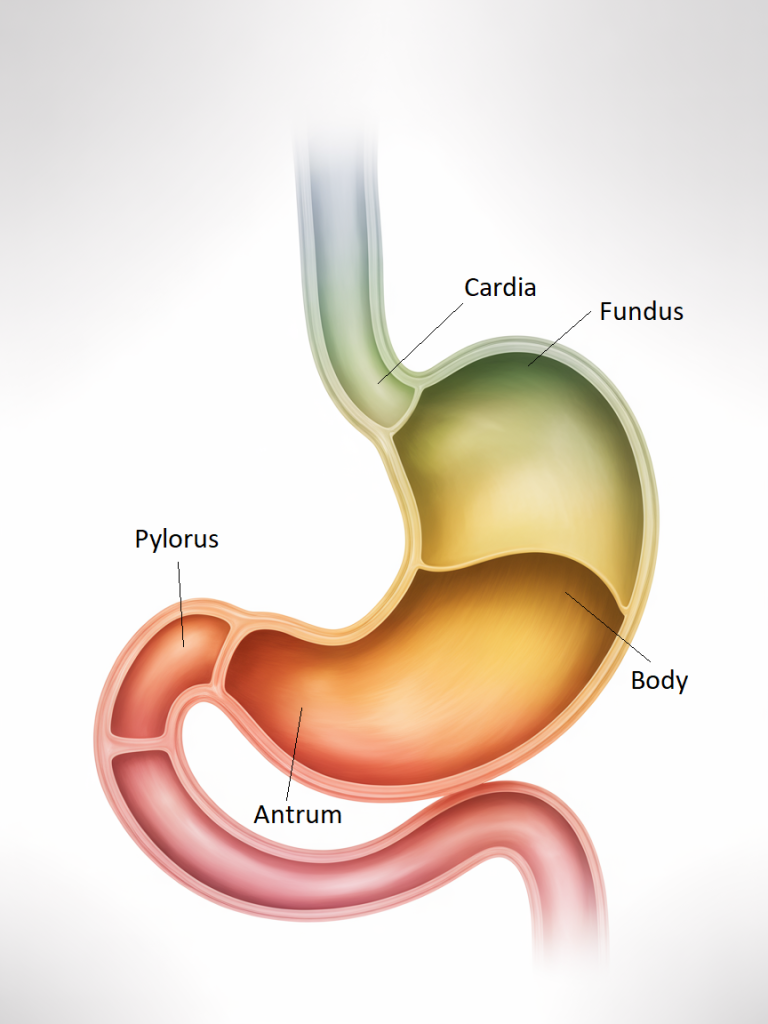
- Cardia: Entry point where food arrives from the esophagus
- Fundus: Upper curved part
- Body (Corpus): Main central region
- Antrum: Lower portion that grinds food
- Pylorus: Connects to the small intestine
- Sphincters: Valves at both ends control the flow of food
Anatomy Overview
| Part | Location/Feature | Function |
|---|---|---|
| Cardia | Entry of the stomach | Prevents acid reflux with lower esophageal sphincter |
| Fundus | Upper curved portion | Collects gas produced during digestion |
| Body | Main part | Secretes acid and enzymes, mixes food |
| Antrum | Lower portion | Grinds food and regulates emptying |
| Pylorus | Exit of the stomach | Controls passage into the small intestine |
| Sphincters | Top and bottom of the stomach | Prevents backflow and regulates digestion |
Main Functions
- Breaks down food: Secretes gastric juices including hydrochloric acid and digestive enzymes that liquefy food.
- Kills harmful microbes: Acidic environment helps neutralize bacteria and pathogens.
- Mixes and churns: Muscular contractions turn solid food into a semi-liquid called chyme.
- Regulates emptying into the small intestine: Controlled by the pyloric sphincter to ensure efficient digestion.
Common Issues of the Stomach
Stomach problems are widespread and can range from mild discomfort to serious health conditions:
- Gastritis (inflammation of the stomach lining)
- Peptic ulcers
- Acid reflux or GERD
- Indigestion (dyspepsia)
- Stomach cancer
- H. pylori infection
Warning Signs to Watch For
- Frequent or severe heartburn
- Nausea or vomiting (especially with blood)
- Stomach pain or bloating that doesn't go away
- Unexplained weight loss or loss of appetite
- Feeling full quickly when eating
Best Practices for a Healthy Stomach
- Eat smaller, balanced meals: Avoid overeating and excessive fat or spicy foods.
- Manage stress: Chronic stress can impact digestion and trigger symptoms.
- Limit NSAIDs and alcohol: These can irritate the stomach lining.
- Avoid smoking: It weakens the protective lining of your stomach.
- Include probiotics: Yogurt and fermented foods can support gut health.
- Get tested for H. pylori: If you have recurring stomach issues, this bacterium may be the cause.
When Should You Consult a Doctor?
It's important to seek medical advice if you experience:
- Persistent stomach pain or burning
- Blood in vomit or stool
- Difficulty swallowing
- Severe or unexplained weight loss
- Recurring nausea or bloating
Early diagnosis and treatment can prevent complications and help maintain optimal digestive health.
H. pylori Infection and Diagnostic Testing
Helicobacter pylori is a common bacterial infection that can lead to ulcers and stomach cancer if untreated. Modern diagnostic methods include:
| Test Type | Sample | Advantages |
|---|---|---|
| Urea Breath Test | Breath | Non-invasive, highly accurate |
| Stool Antigen Test | Stool | Easy collection, good for follow-up |
| Molecular PCR Test | Stool or biopsy | Detects DNA, identifies antibiotic resistance |
Frequently Asked Questions (FAQs)
Q1: What does the stomach do with the food we eat?
A: The stomach breaks food down using acid and enzymes, turning it into a semi-liquid mixture called chyme. This allows nutrients to be more easily absorbed later in the small intestine.
Q2: How long does food stay in the stomach?
A: Typically, food remains in the stomach for about 2 to 4 hours, depending on its composition. Fatty or heavy meals may take longer to process.
Q3: What causes stomach ulcers?
A: Stomach ulcers are most often caused by Helicobacter pylori infection or overuse of nonsteroidal anti-inflammatory drugs (NSAIDs) like ibuprofen. Stress and spicy food can worsen symptoms but are not direct causes.
Q4: Is it normal to feel full quickly?
A: Occasionally feeling full quickly can be normal, but if it happens frequently and is accompanied by nausea, weight loss, or discomfort, it may be a sign of an underlying stomach condition and should be evaluated by a doctor.
Q5: Can stress affect my stomach health?
A: Yes. Stress can lead to or worsen symptoms like acid reflux, indigestion, and even trigger stomach ulcers in some people. Managing stress is crucial for digestive health.
Q6: What foods are best for stomach health?
A: Easily digestible, fiber-rich foods such as oats, bananas, yogurt (with probiotics), lean meats, and boiled vegetables support stomach health. Avoiding excess caffeine, alcohol, and spicy or greasy foods can also help.
Q7: When should I get tested for H. pylori?
A: If you have recurring indigestion, ulcers, bloating, nausea, or unexplained weight loss, your doctor may recommend testing for H. pylori, a common bacterial infection of the stomach lining.
Q8: Are antacids safe to take regularly?
A: While antacids can offer short-term relief from acidity or indigestion, long-term use may mask underlying issues. Chronic symptoms should be evaluated by a healthcare provider.
Conclusion
The stomach plays a foundational role in the digestive process. Keeping it healthy requires a combination of mindful eating, stress management, and regular medical screenings. At DNA Labs India, we help you take control of your health with cutting-edge genetic testing and personalized assessments. For more on stomach health or to schedule a digestive wellness check, contact DNA Labs India today.
Written by: Dr. A. Sharma, MBBS, MD
Medically Reviewed by: Dr. R. Patel, Microbiologist
Last Updated: March 2026