


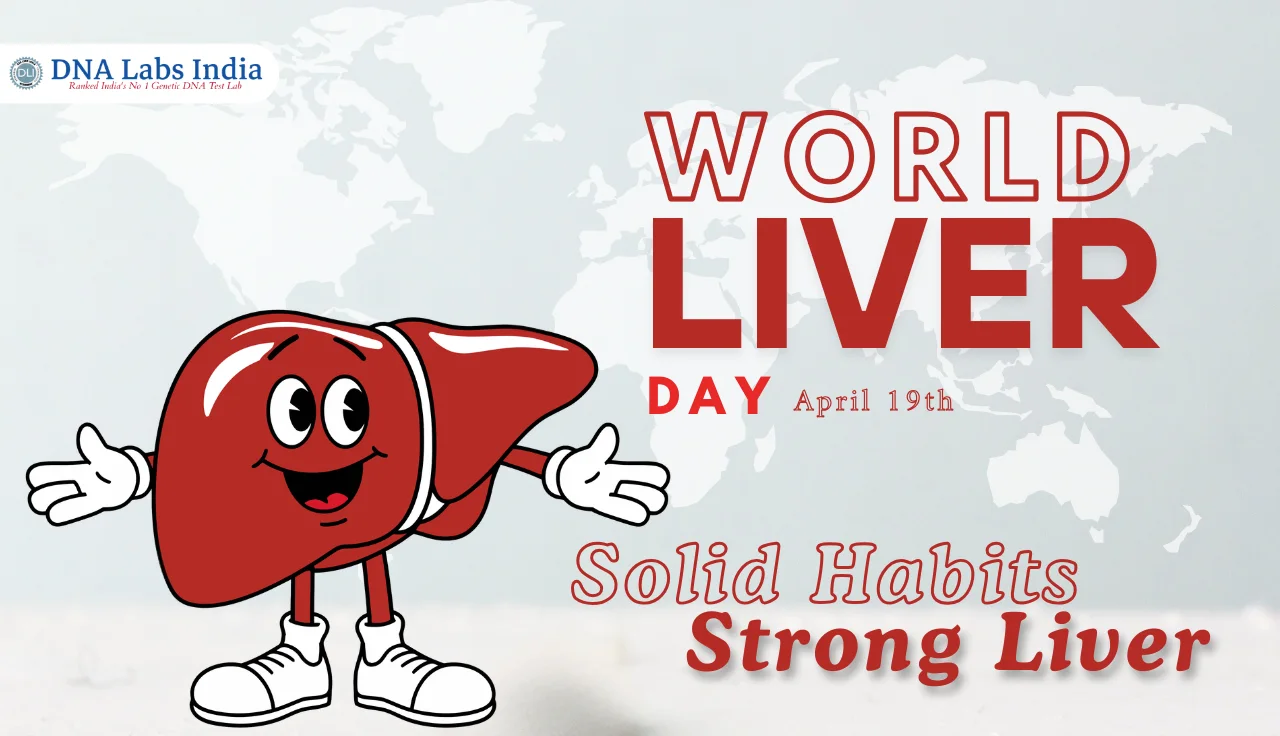
World Liver Day 2026
Why India Needs to Focus on 'Solid Habits' Now
India is facing a rising burden of liver disease, making World Liver Day 2026—with its theme "Solid Habits, Strong Liver"—especially urgent. Simple, consistent lifestyle choices combined with early screening can prevent many liver conditions before they become severe, reducing long-term health risks and healthcare costs.
At a Glance: Liver Health Screening
- Sample Required: Blood sample (serum)
- Fasting Rules: 8–12 hours fasting recommended for lipid profile and glucose
- Turnaround Time (TAT): 24–48 hours
- Base Cost: ₹[Insert Current 2026 Price] for comprehensive liver panel
The liver is central to nearly every metabolic process in the body, yet liver disease often progresses silently until advanced stages. In India, liver cancer is among the leading causes of cancer-related deaths, and conditions like Fatty Liver Disease are increasing due to sedentary lifestyles and dietary changes. Viral infections such as Hepatitis A, Hepatitis B, Hepatitis C, and Hepatitis D also remain major contributors to liver-related illness.
At DNA Labs India—an ISO 9001 certified diagnostics provider—clinical experts like Dr. Ramachandra Pendurti emphasize that prevention, powered by both lifestyle discipline and genetic insights, is the most effective way to combat liver disease.
The Four Pillars of 'Solid Habits, Strong Liver'
The four pillars of the 2026 theme are diet, physical activity, alcohol moderation, and regular health screenings, forming a comprehensive preventive framework for liver health.
💡 Key Takeaways
- •This article was written by Nitin Yadav.
- •Last updated on September 10, 2026. Clinical information is reviewed periodically.
- •Always consult with a qualified healthcare provider before making medical decisions based on the information presented here.
Need Personalized Clinical Guidance?
The information in this article is intended for educational purposes and reflects current scientific understanding. To understand how these insights apply to your specific health profile or family history, speak with a certified genetic counselor at DNA Labs India.
Medical Disclaimer: The clinical insights provided here are intended for educational purposes and do not replace professional medical advice from a primary physician. DNA Labs India is an ISO 9001:2015 certified diagnostic laboratory. Always consult with a qualified healthcare provider regarding any medical concerns, diagnoses, or treatment decisions.
Related Articles in Routine Pathology & Preventative Wellness
Food Drug Allergy Test Cost in India
Get the cost of Food Intolerance, Drug Sensitivity & Air Pollution Test in India at DNA Labs India....
How Can You Improve Your Weight Management by Studying Your Genes?
Discover how genetic testing for weight management can personalize your diet. Learn about genes anal...
Genetic Hair Loss Test: Androgenetic Alopecia Risk Assessment and Prevention
Discover your genetic risk for androgenetic alopecia with DNA Labs India's hair loss test. Learn abo...
World Physiotherapy Day: Physiotherapist Services and Fees Explained
Learn about World Physiotherapy Day, what physiotherapists do, treatment types, and typical fees in...