
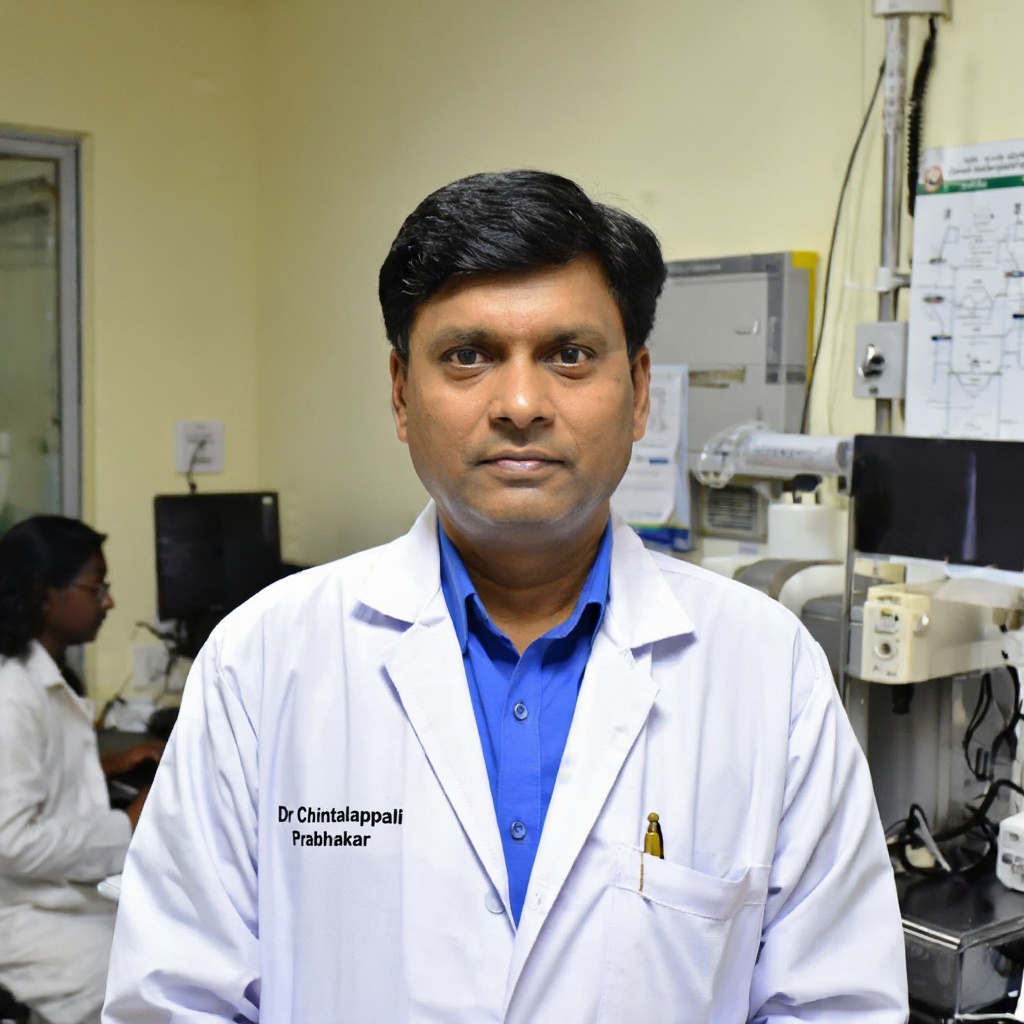
 Dr Chintalappalli Prabhakar
 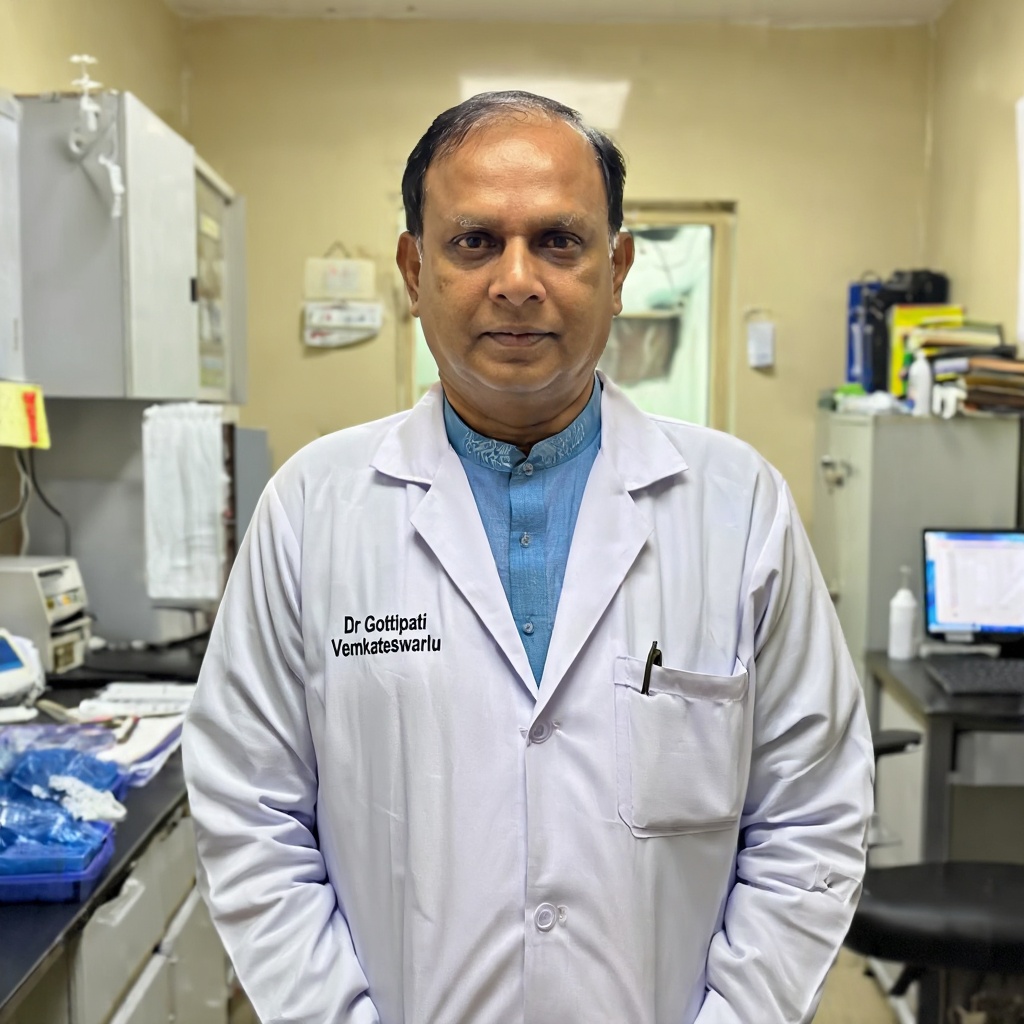 Dr Gottipati Vemkateswarlu
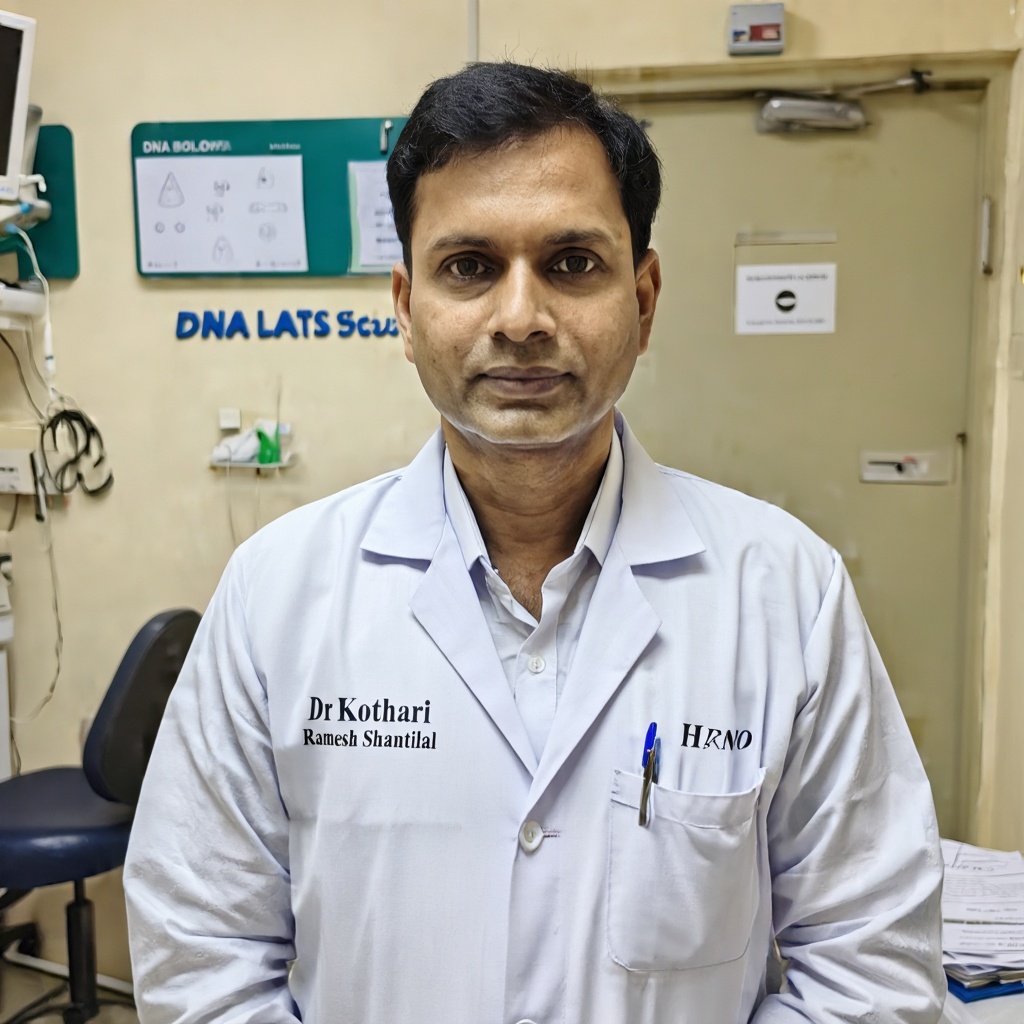 Dr Kothari Ramesh Shantilal
 🏅
✓ VerifiedISO 9001:2015
Issued by EIAC
Certificate: IN125044AIssued: 02 Jul 2026Valid until: 01 Jul 2027

Whether you need clarity, peace of mind, or clinical diagnosis — we serve every need with certified precision.
Peace of mind paternity testing, health screening, genetic risk assessment
Prenatal NIPT screening, hereditary cancer panels, family health packages
Court-admissible DNA reports with chain-of-custody documentation
Partner lab services for clinics, hospitals, and diagnostic centers
Explore the tests our patients book most often, with convenient home sample collection and certified laboratory reporting.
To provide a convenient and private method for DNA sample collection for various genetic tests, including paternity, maternity,...
For evaluating ambiguous genitalia, gender reversal cases, and confirming gender in newborns.
The Family Tree Ancestry DNA Test is designed to provide a detailed genetic ancestry breakdown for individuals of Indian origin....
Sequencing of protein-coding regions to investigate suspected inherited genetic disorders.
DNA relationship testing to establish biological paternity with high accuracy.
This 190-gene panel helps identify inherited pathogenic variants that increase the risk of hereditary cancer syndromes. It suppo...
Non-invasive prenatal screening for common fetal chromosomal abnormalities using maternal blood.
This test is prescribed to map the entire ecosystem of your digestive tract, identifying beneficial bacteria, opportunistic path...
Choose your test, schedule home collection or visit a center. Takes 2 minutes.
Certified phlebotomist visits your home with PPE. Painless, 5-minute process.
MD Pathologist verified report via WhatsApp/Email. Free post-test counseling.
Priya Sharma
2 weeks ago

"Excellent diagnostic services. The genetic counseling team was extremely knowledgeable and supportive throughout the process."
Rahul Mehta
1 month ago
"Very professional home collection service. The phlebotomist arrived on time with full PPE. Reports were delivered within 24 hours."
Dr. Anita Desai
3 weeks ago
"As a referring physician, I trust DNA Labs India for all genetic testing needs. Their ISO 17025 certification and detailed reporting are outstanding."
We process diagnostic samples for hospitals, clinics, and diagnostic chains across India.
Partner with us for outsourced diagnostic services. Competitive B2B pricing, dedicated pathologist support, and API integration.
Apply for Lab Partnership →Start with the categories that contain our widest selection of active diagnostic and genetic tests.
Sub-category mapping under Genetics & Genomics
Explore categorySub-category mapping under Genetics & Genomics
Explore categorySub-category mapping under Genetics & Genomics
Explore categorySub-category mapping under Genetics & Genomics
Explore categorySub-category mapping under Genetics & Genomics
Explore categorySub-category mapping under Genetics & Genomics
Explore categoryEvery report is reviewed by board-certified specialists with decades of experience.
View current certificate records, validity information, and independent verification details.
Issued by EIAC
Referring doctors get dedicated pathologist support, priority reporting, and seamless patient referral tracking.
Register as Referring Physician →🌐 We speak your language — Genetic counseling available in
Book in the next 2 hours for same-day home collection — available in your city.
✅ 100% Accurate or Free Retest | ✅ ISO 9001:2015 Certified | ✅ MD Pathologist Verified
Enter your mobile number and we’ll connect you with the team.
✅ Connecting you now...
🔒 Your number is used to respond to this request.